
Pedagogy,
Collaborative Art projects & open source documents
On this page, I want to document, collect and redistribute knowledge I have gained through my years of work with art, skateboarding & youth.
This page is still a big work in process and will get shaped slowly until next year, when I want to release it in a form of self published book.
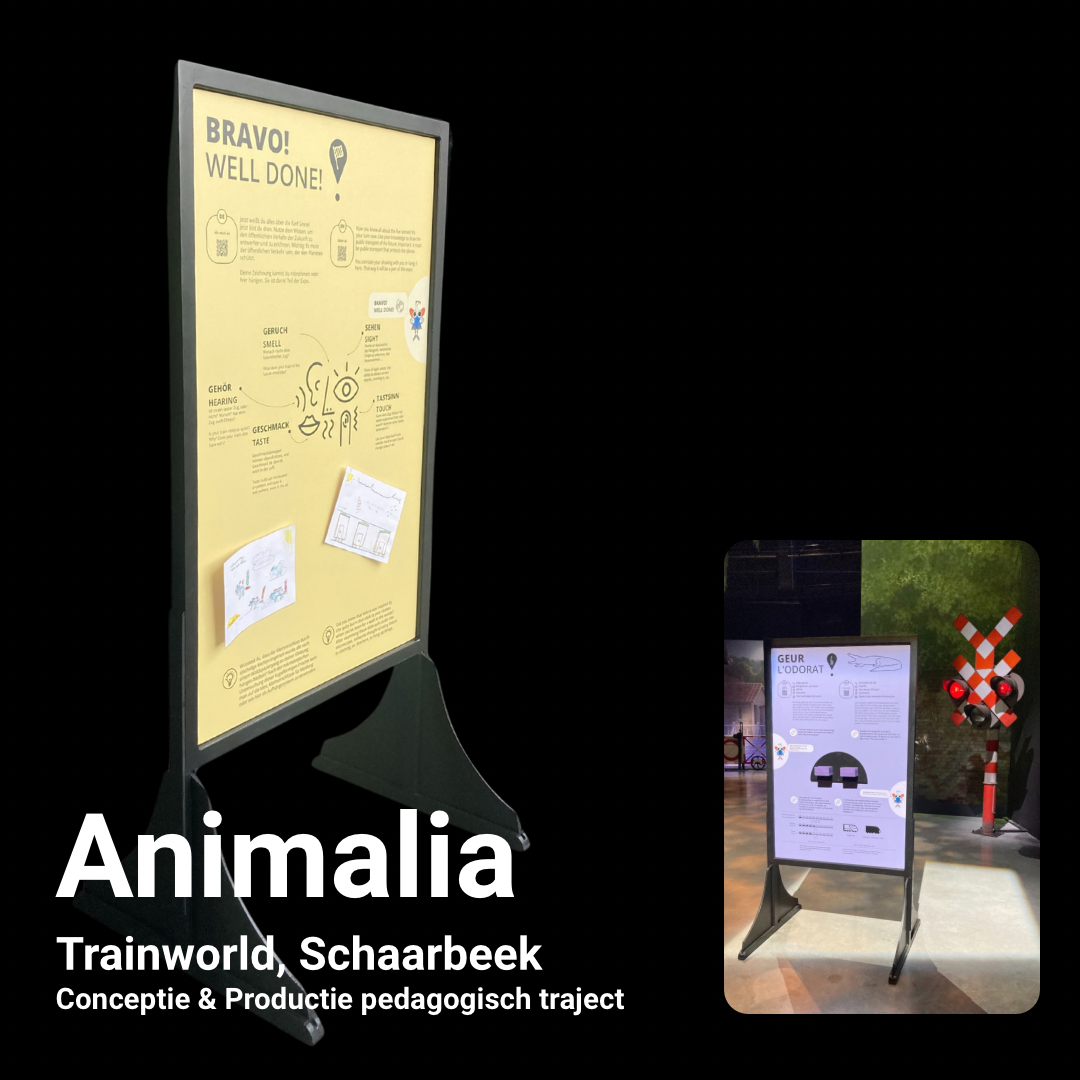
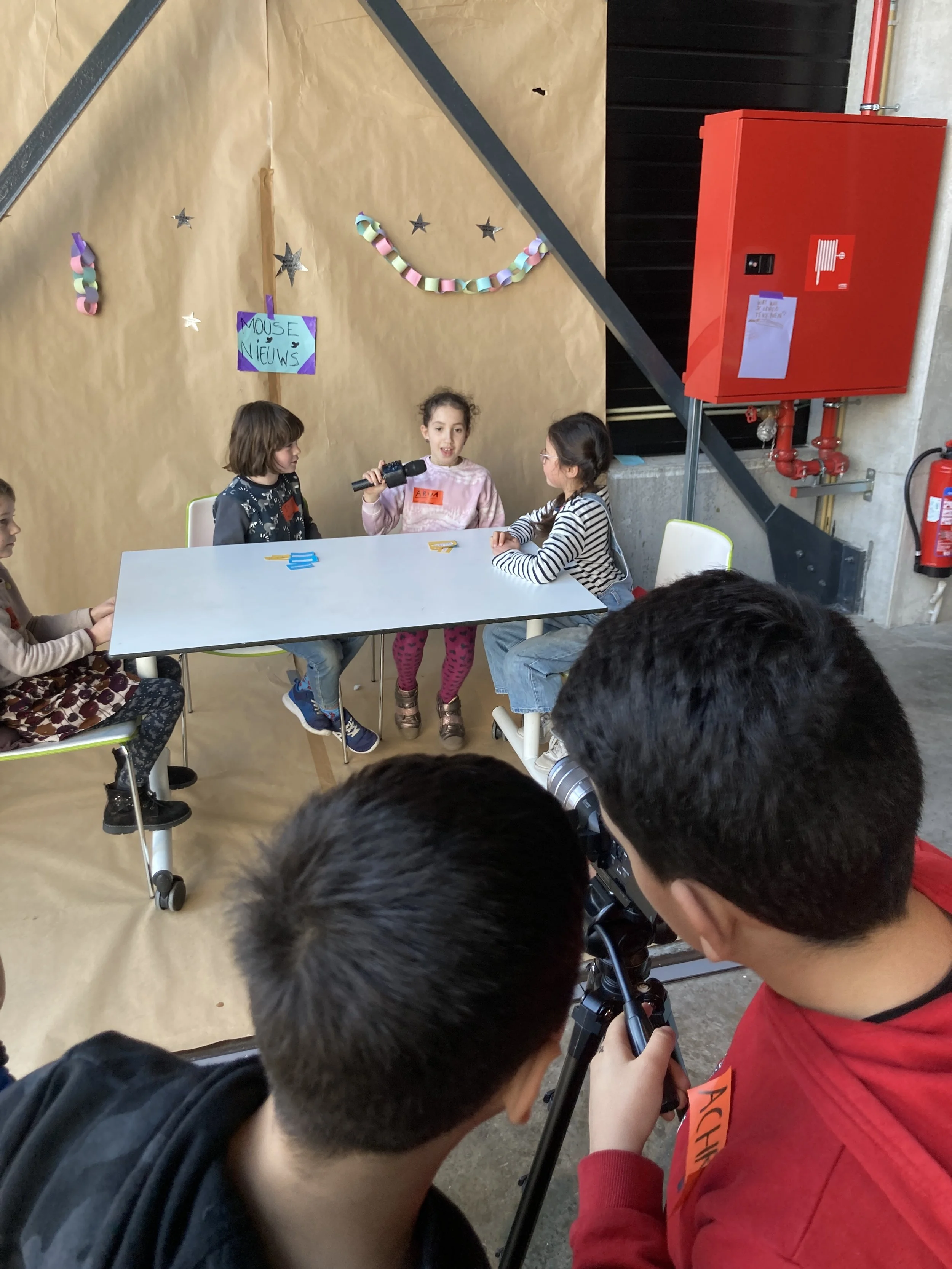
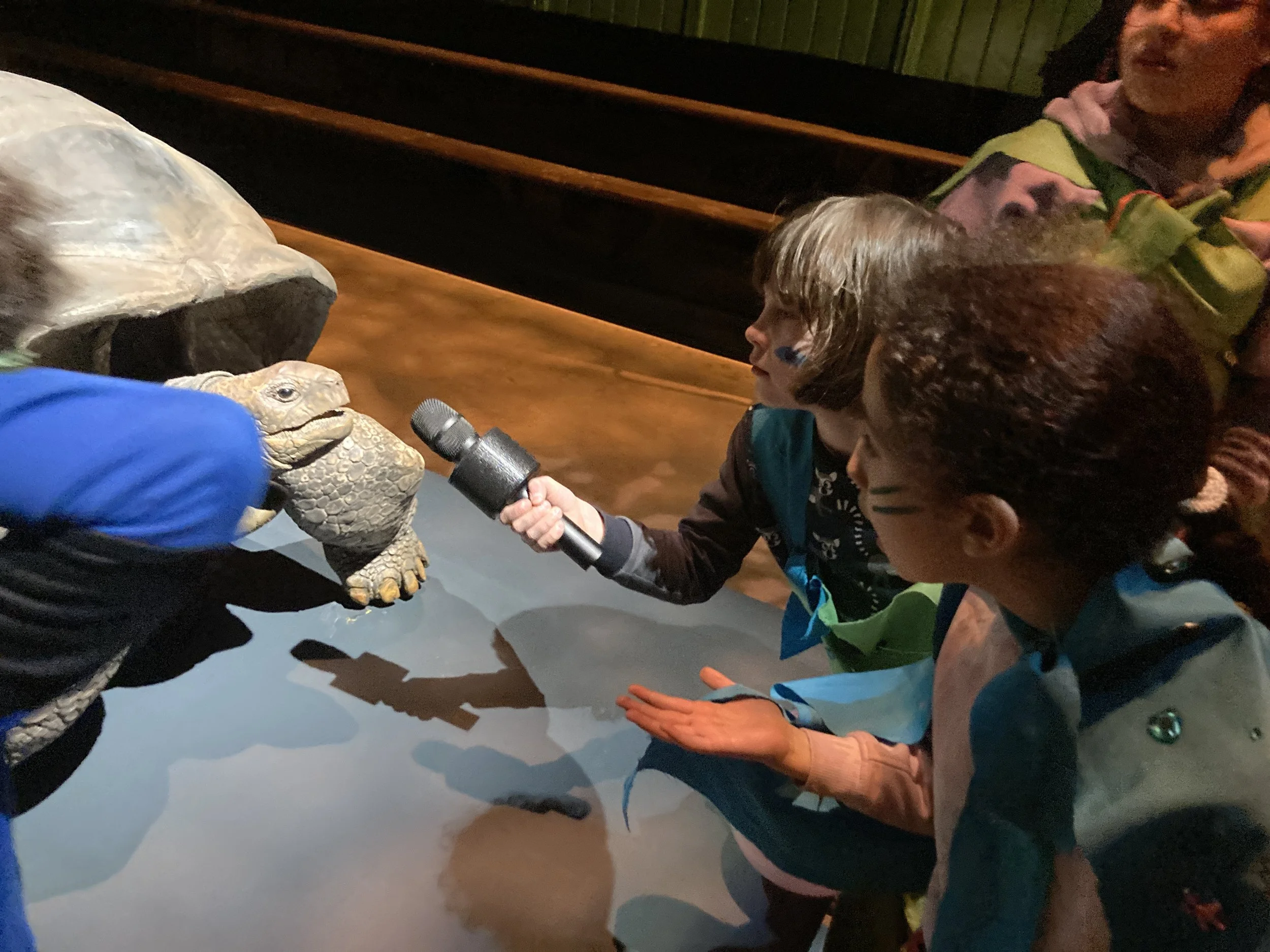
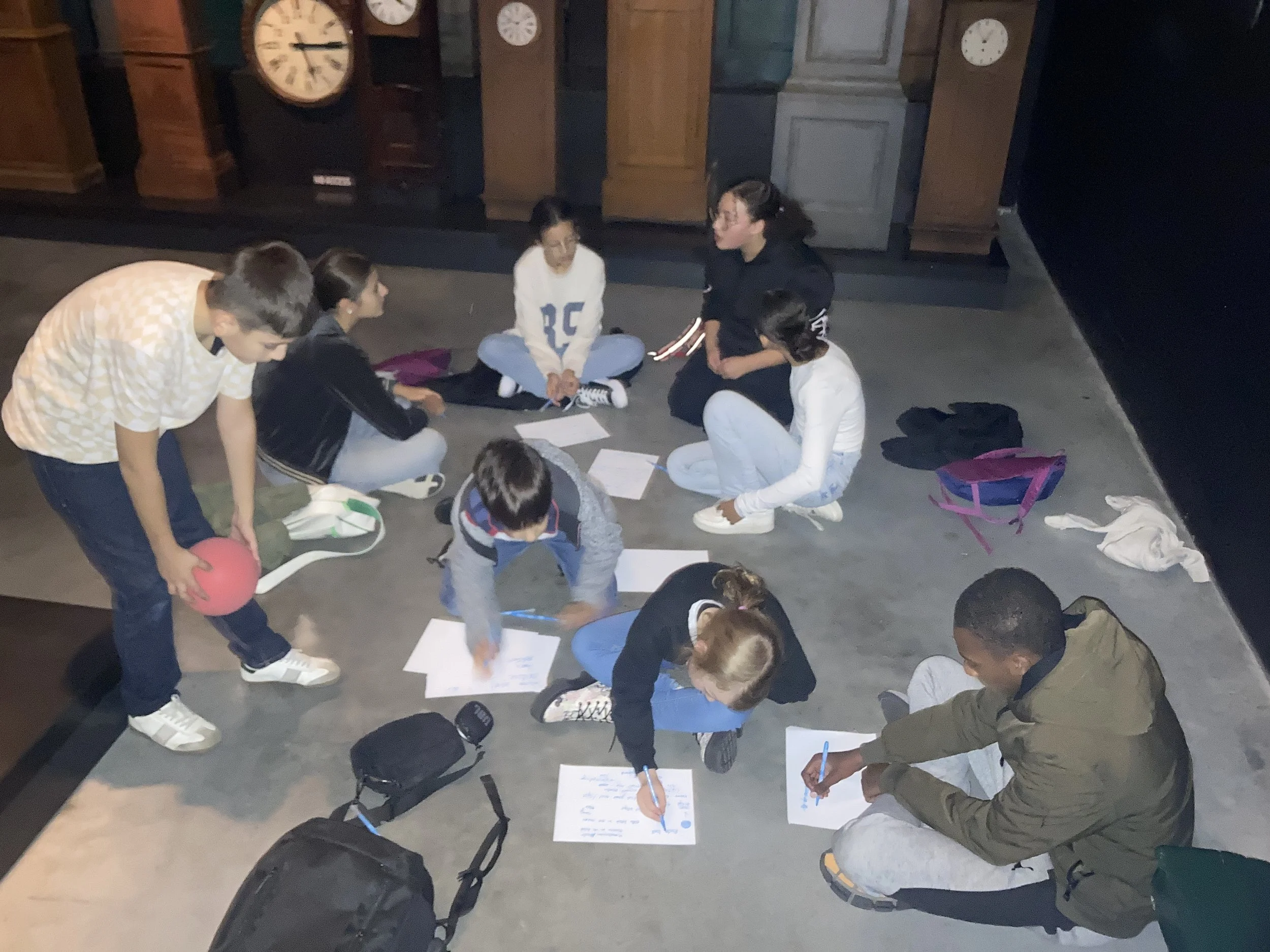
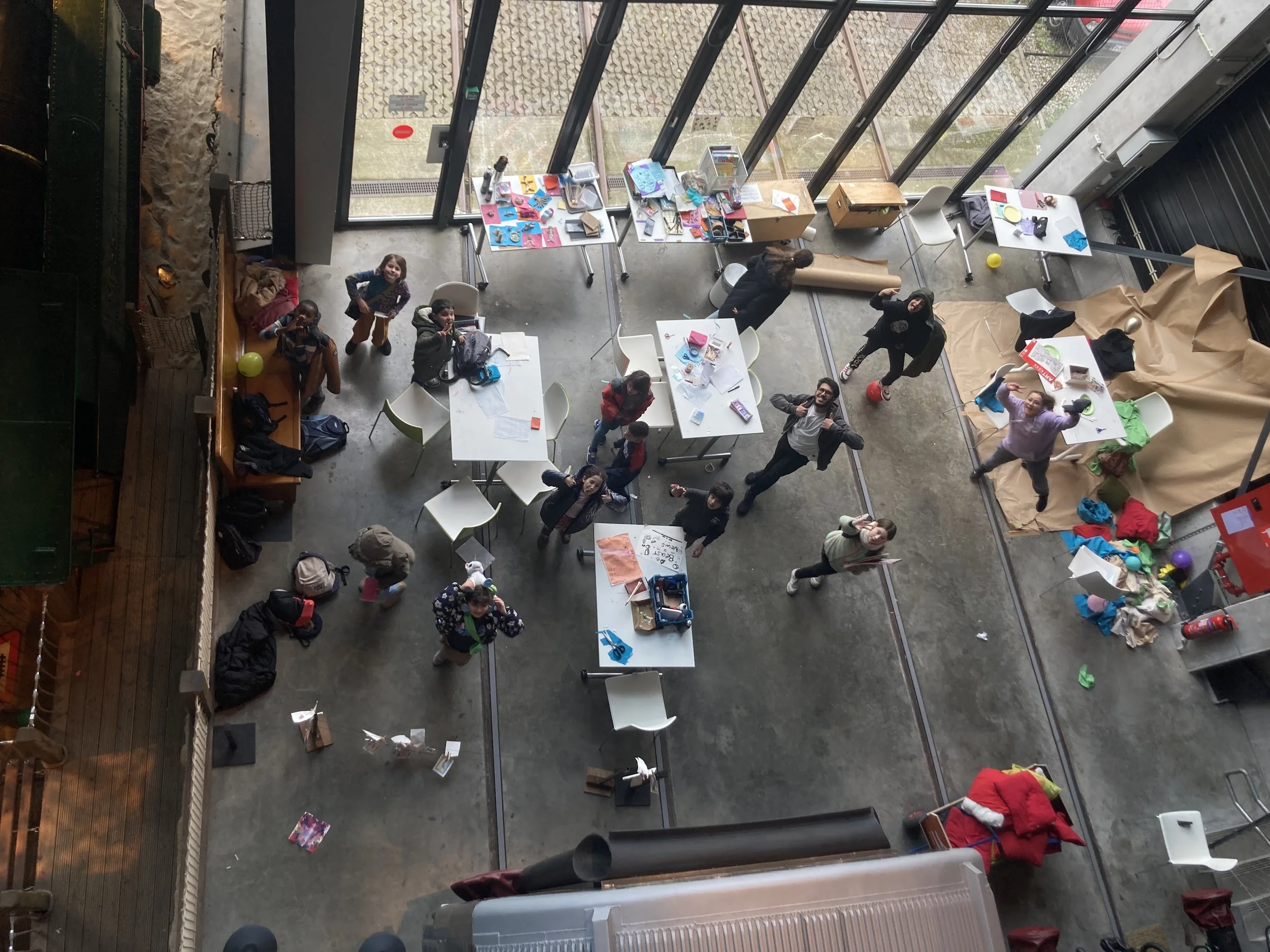
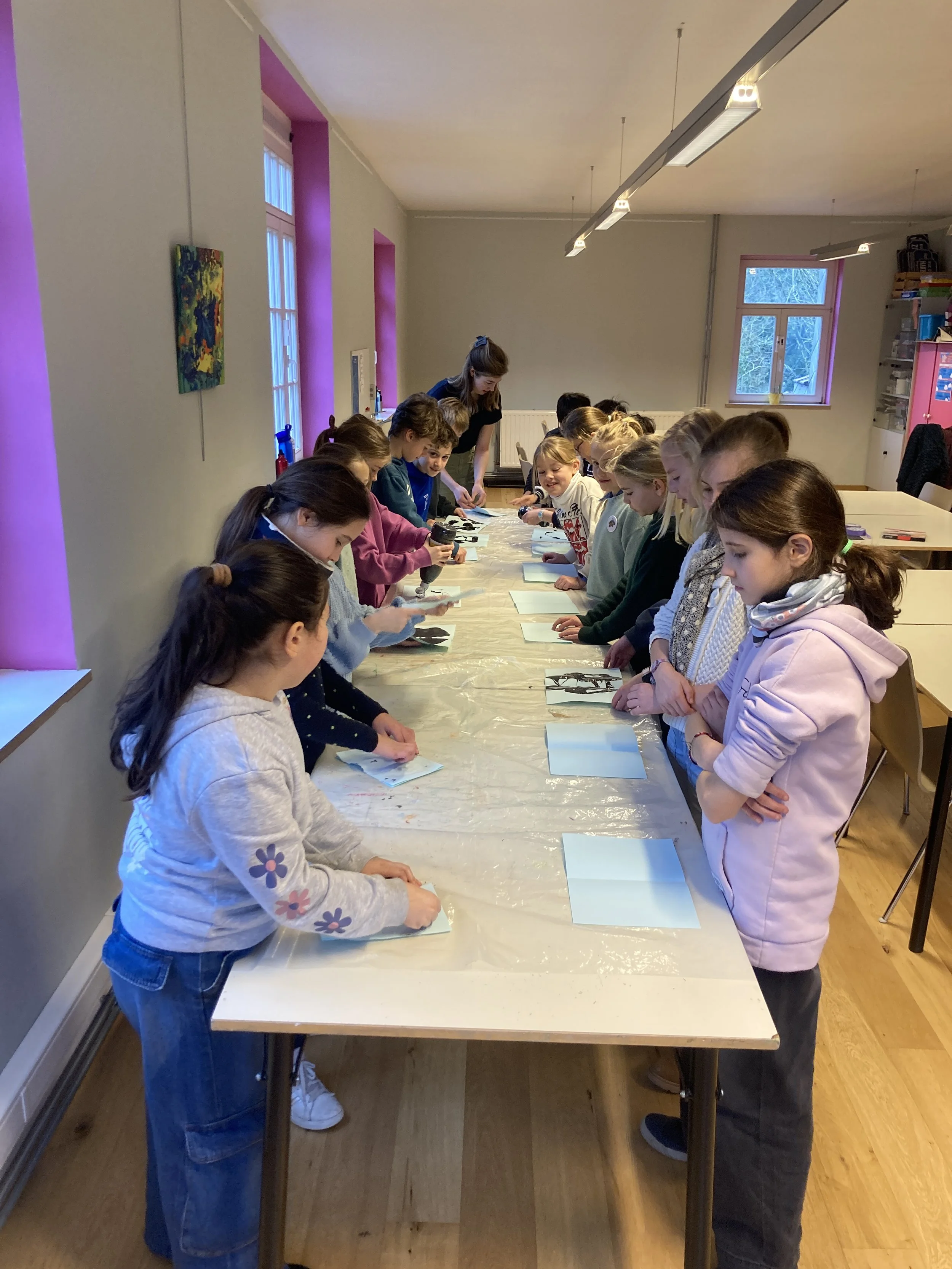
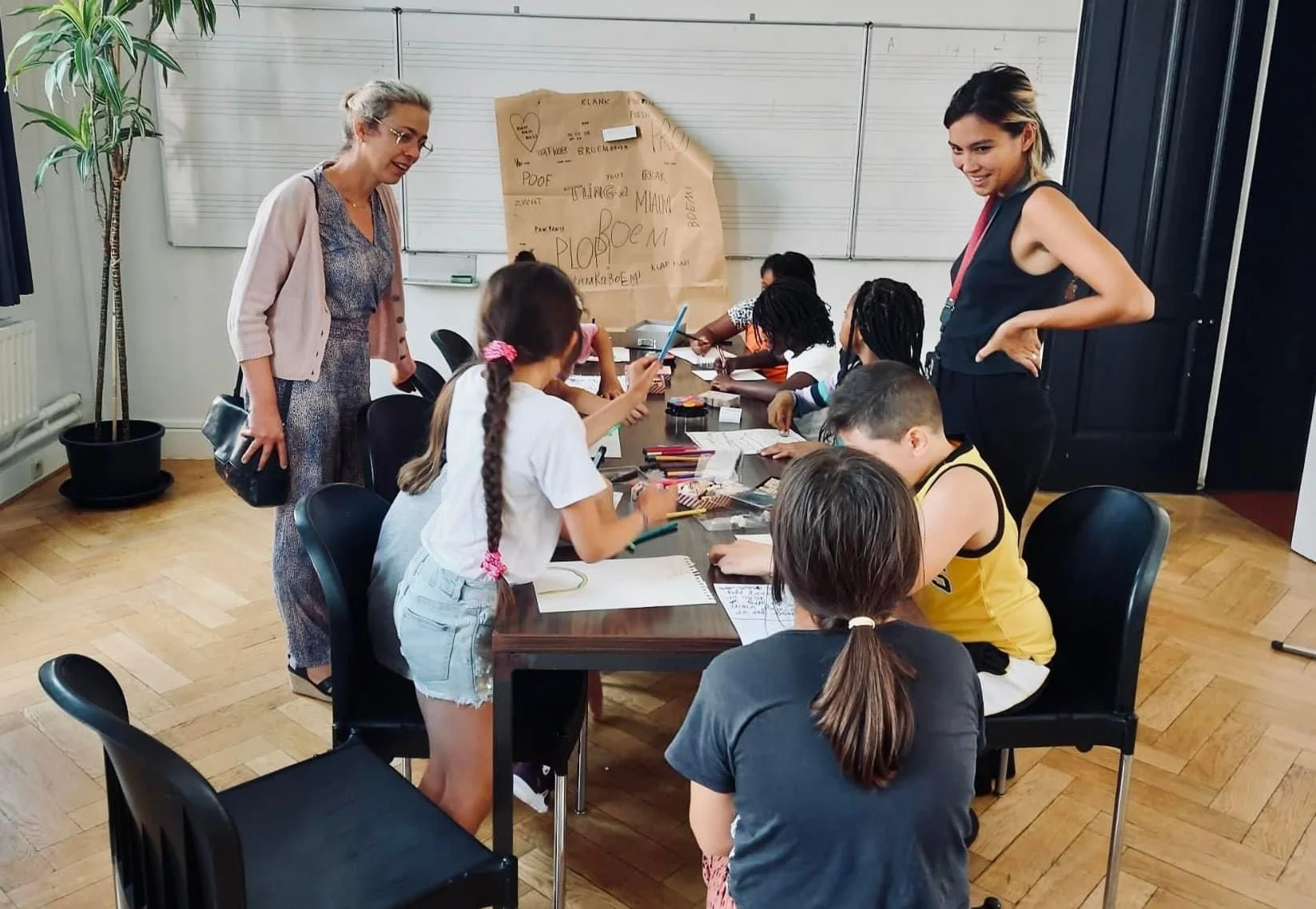
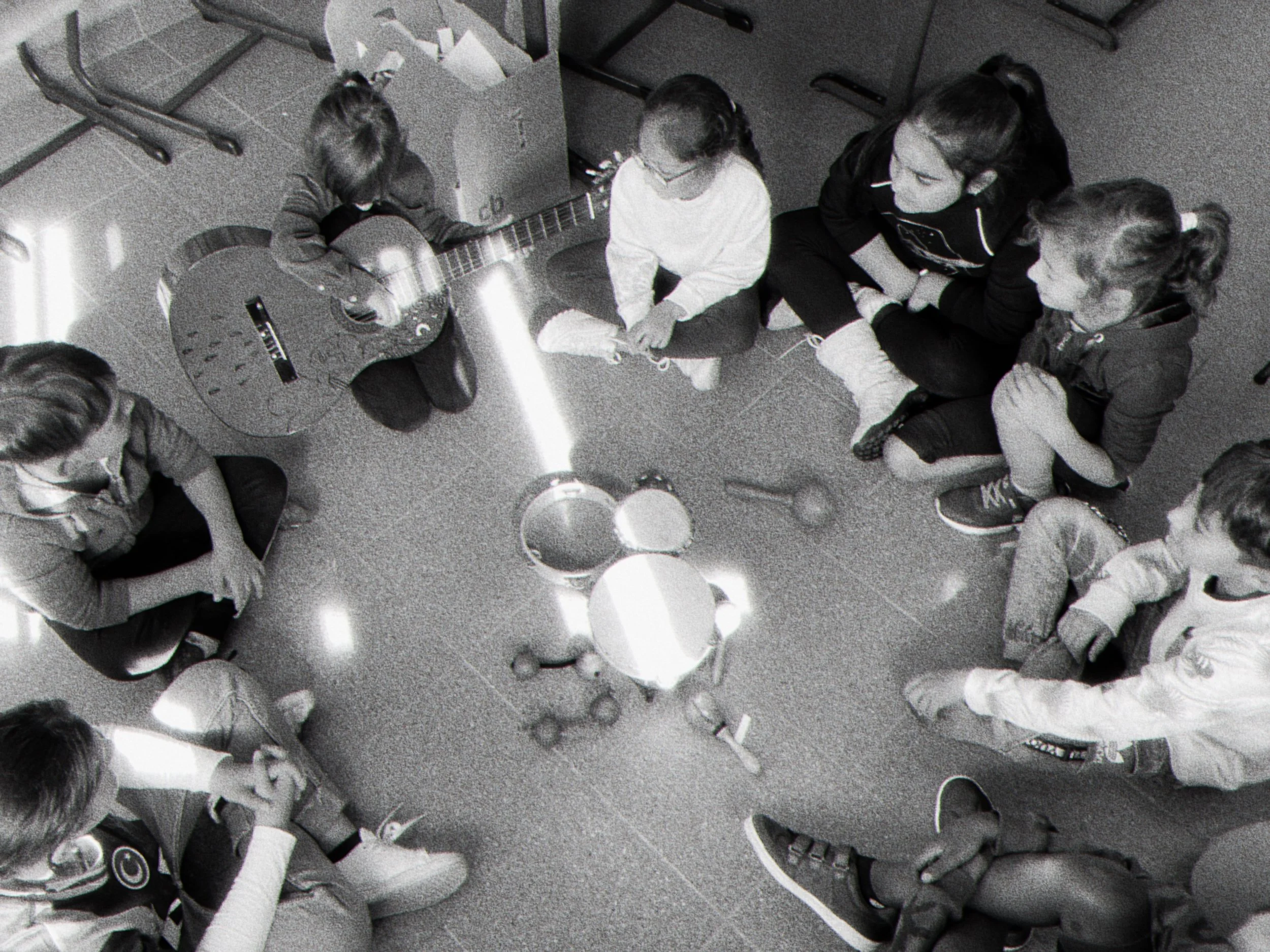
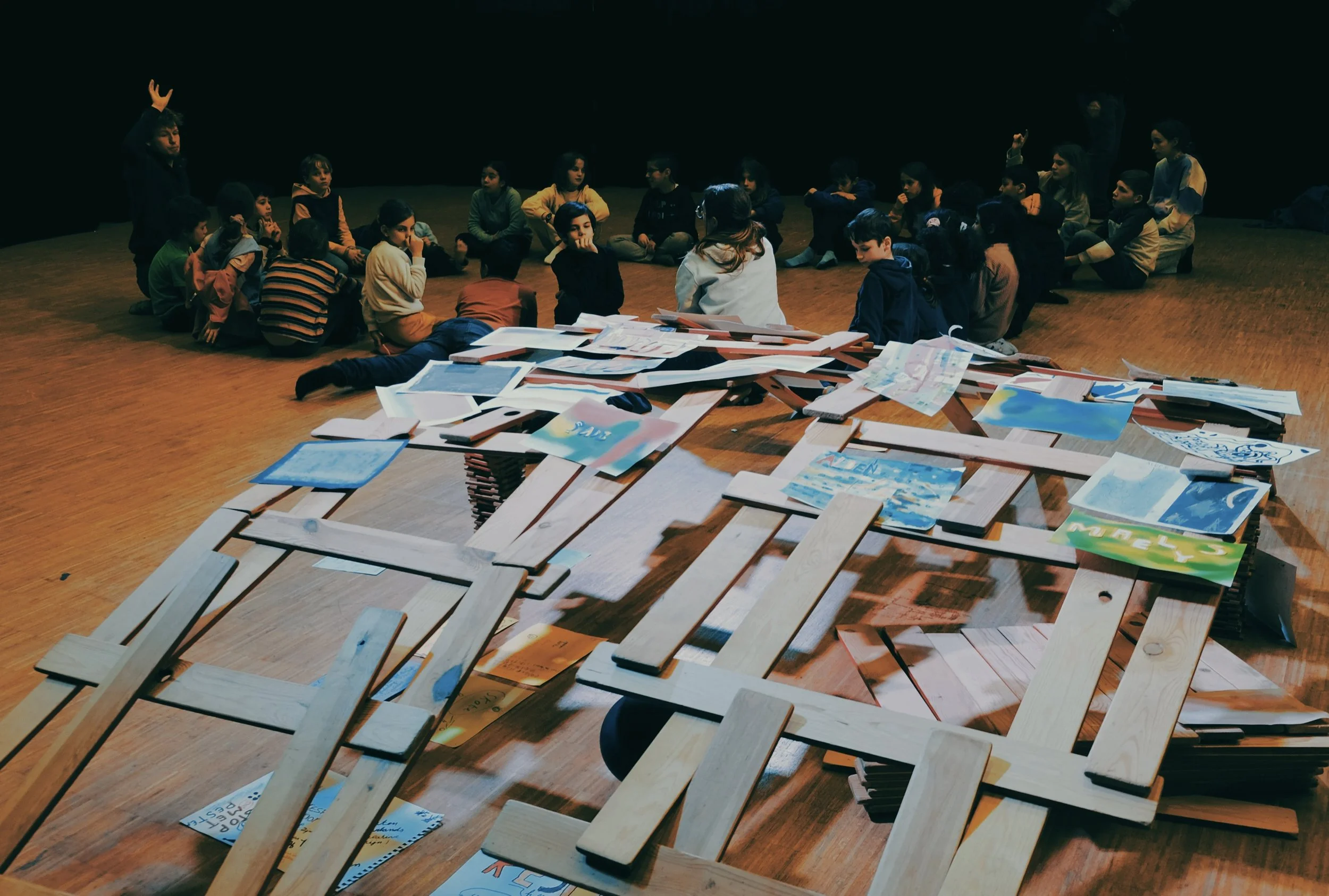
As part of my art practice, I often implement collaboration of the public as well as working on art-projects with youth.
I aim to include public & youth in not only the experiencing of art, but also the aspects of research, experimenting and production of art in a non-academic approach.
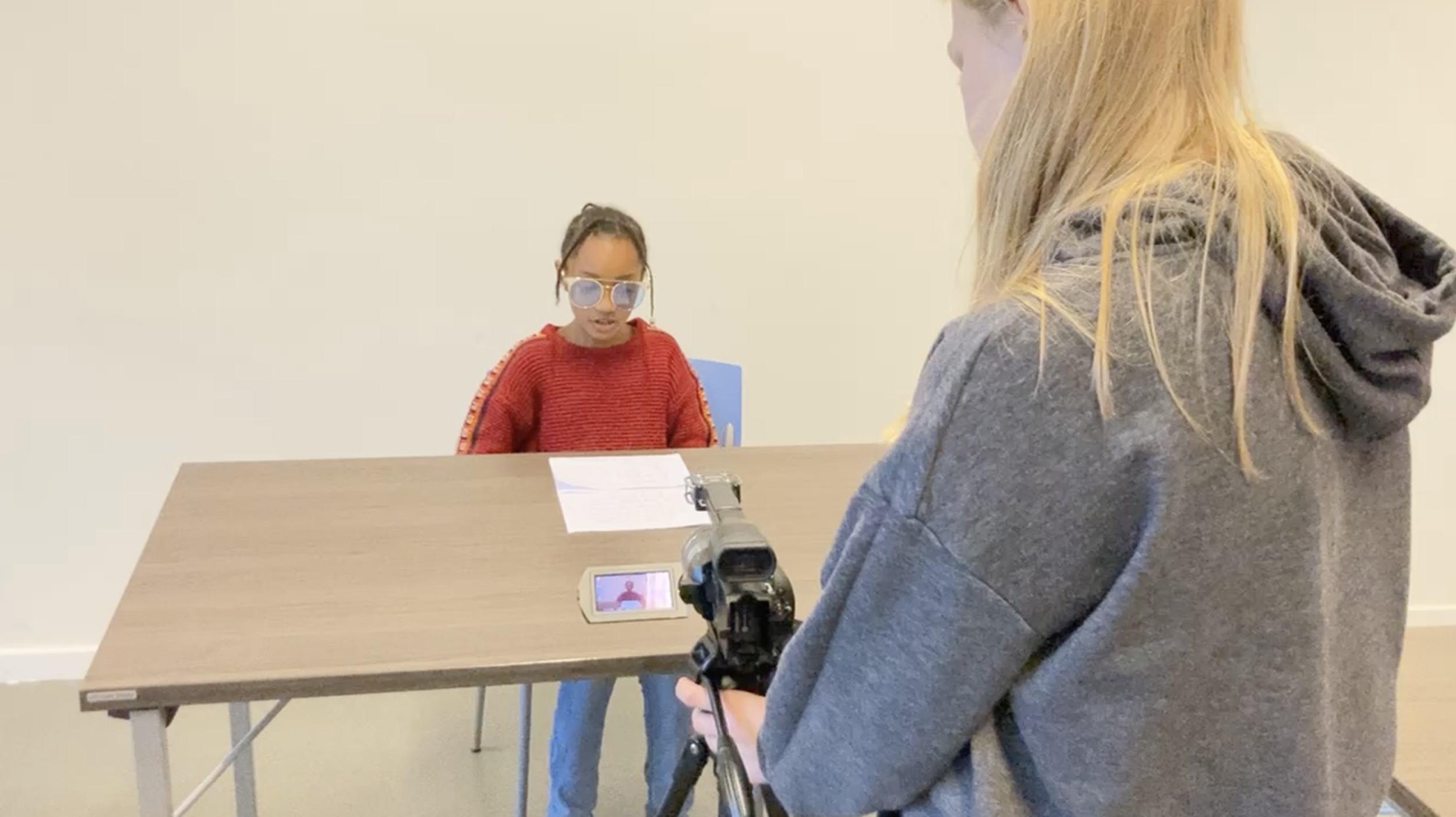
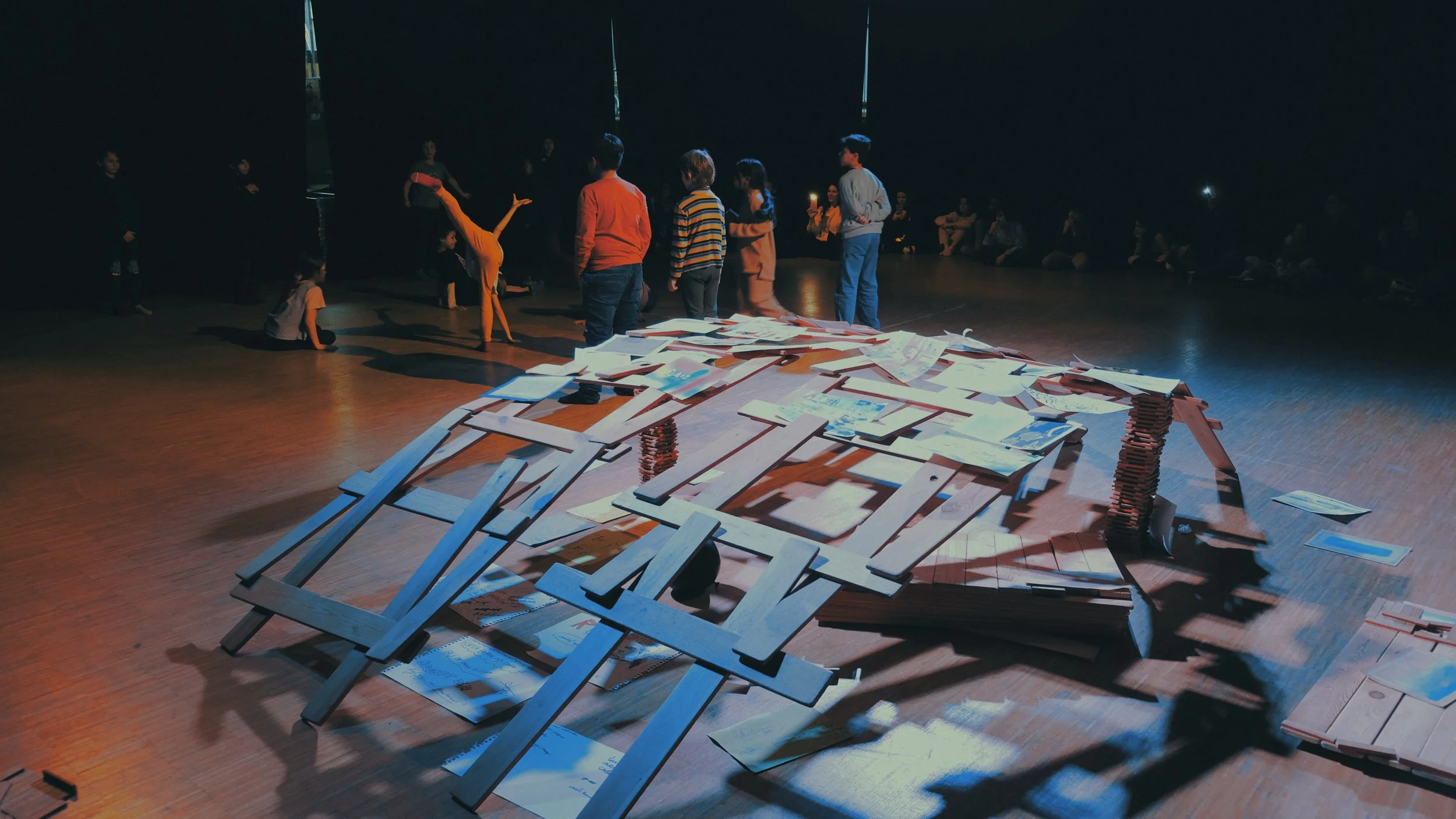
Often using different techniques & media within one project, the focus is on the process, the making, the in-between moments, space for boredom and dreaming, the collective and the self, and almost always an aspect of transformation or fiction. Most used media is film making (fiction or documentary), storytelling, improvisation theatre, and visual arts.
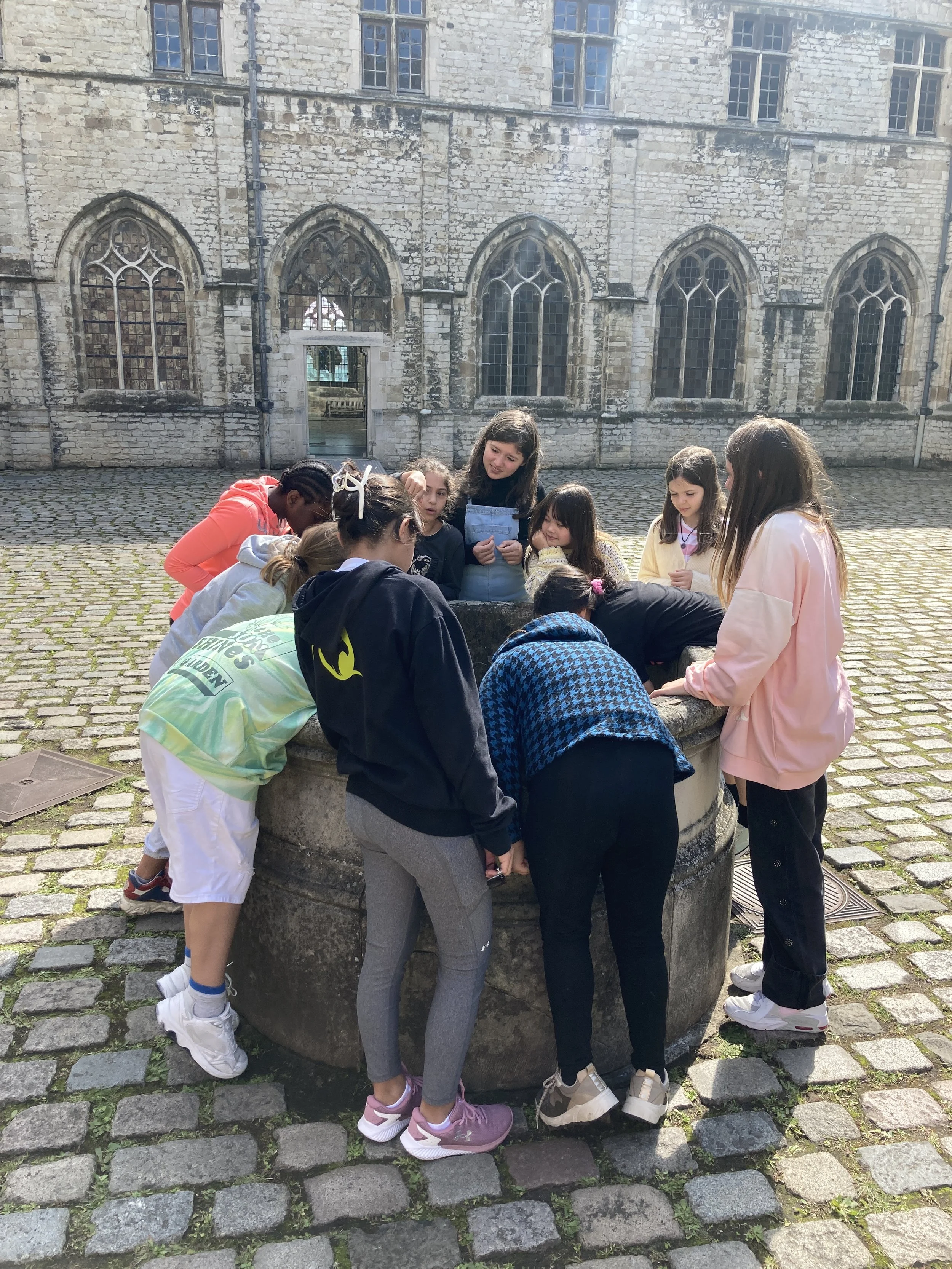
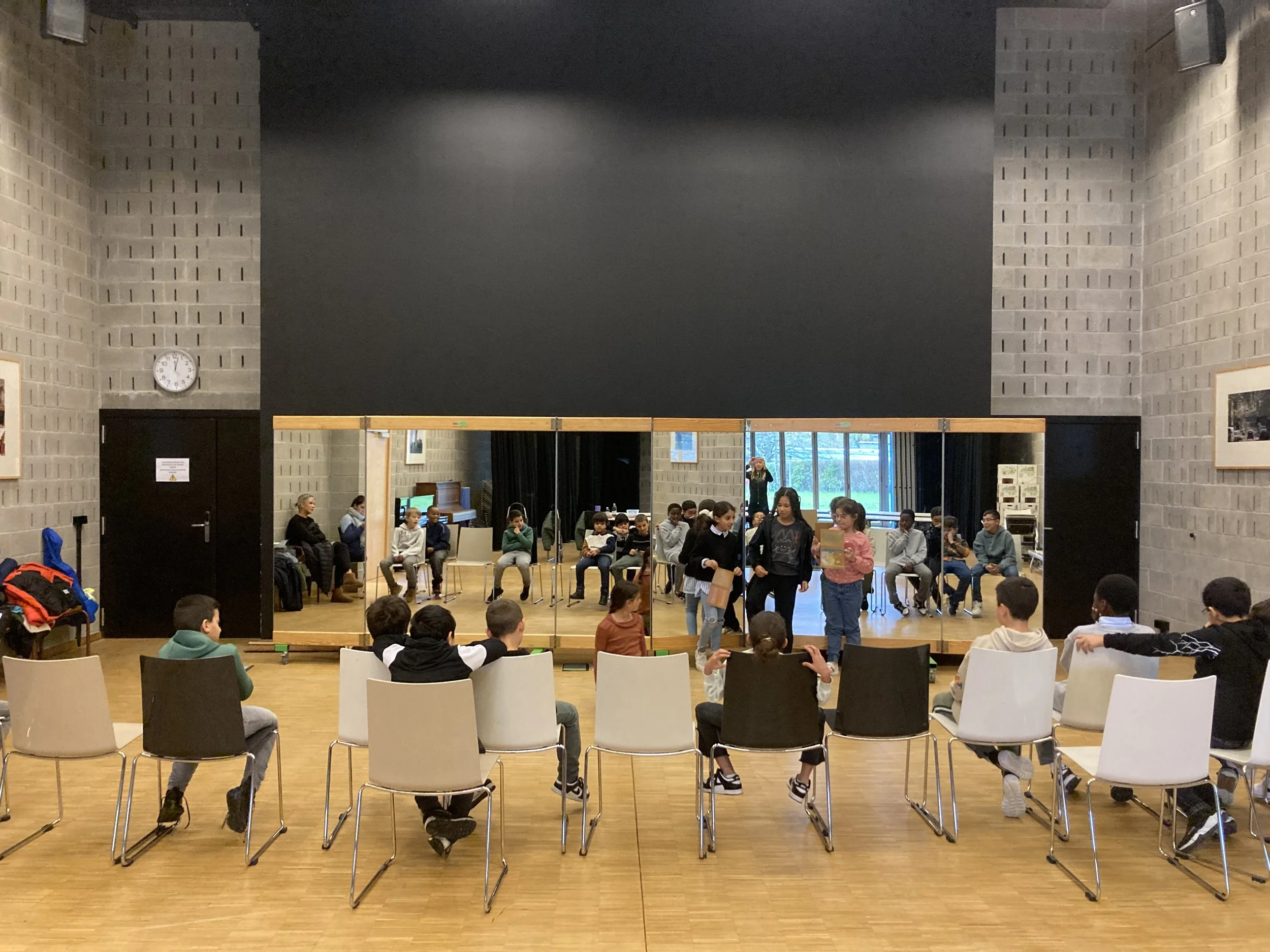
The purpose of the projects is that children and young people get the chance to explore and experiment within a medium, explore themselves in something that is very close to what they are very good at (children are naturally good at roleplay, imagining, creating) and within these projects, their thoughts are taken seriously. They receive different roles — for example within a film project, each child will have had the chance to be director one day, stylist next day, help editing, steward, act, write, foley, etc.
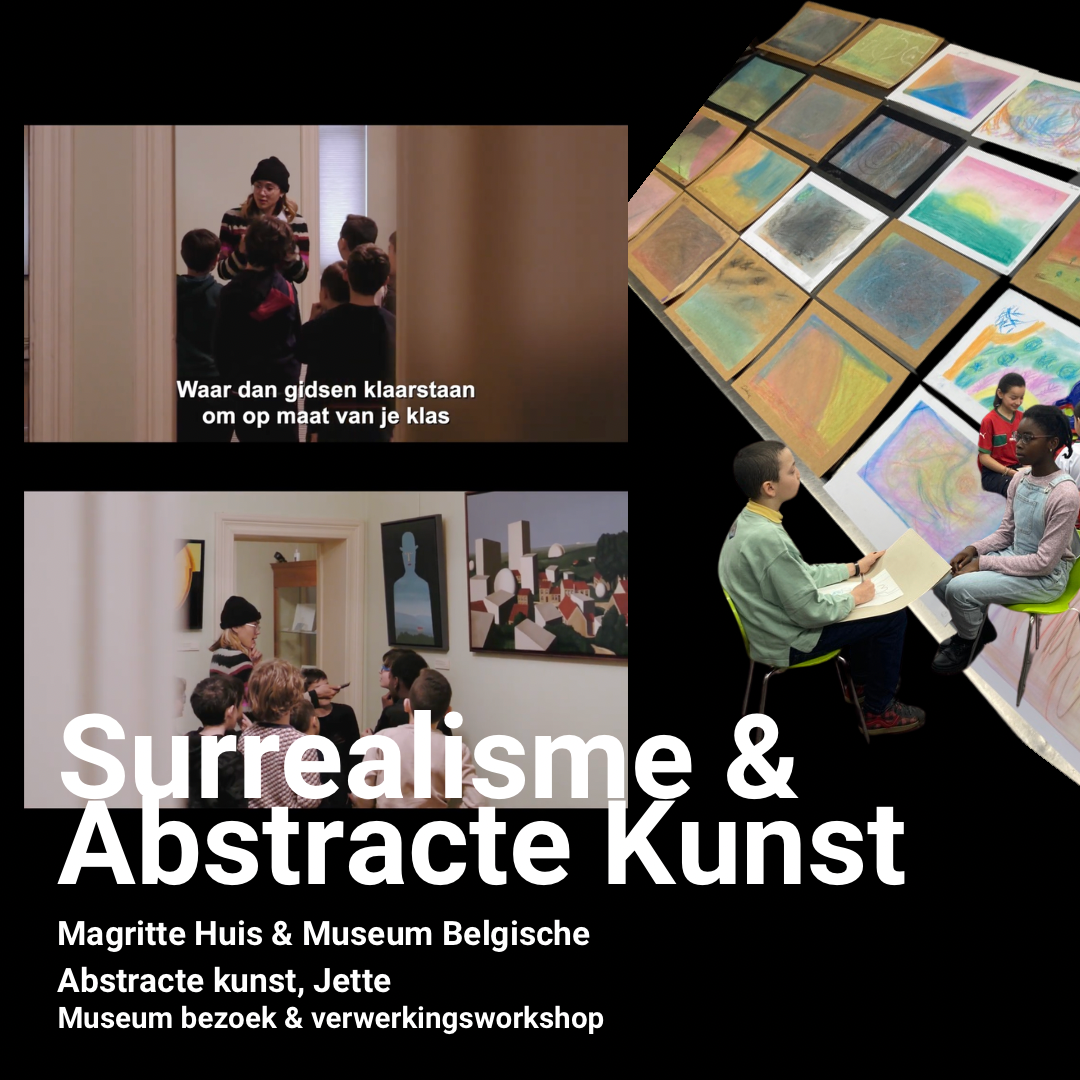
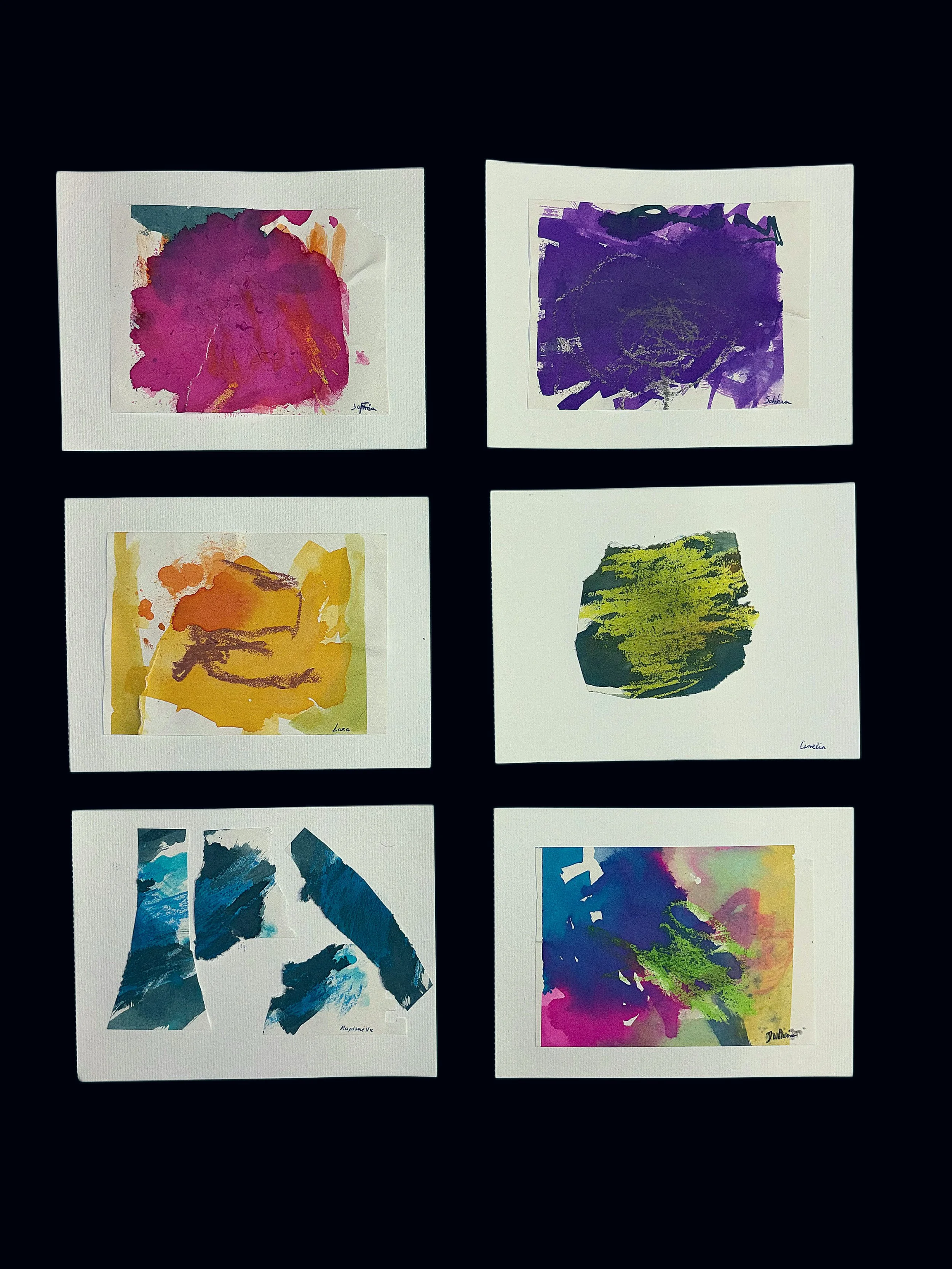
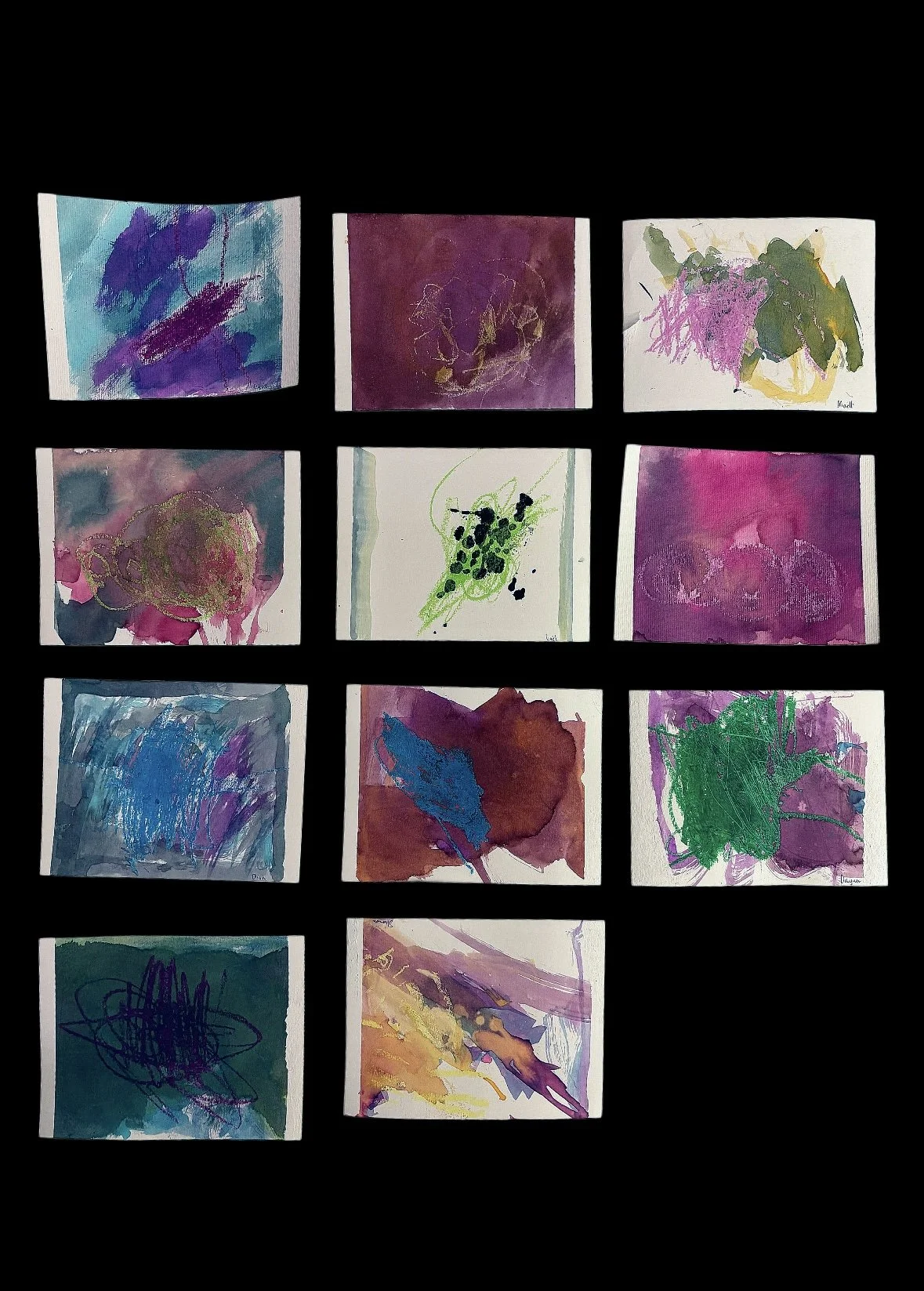
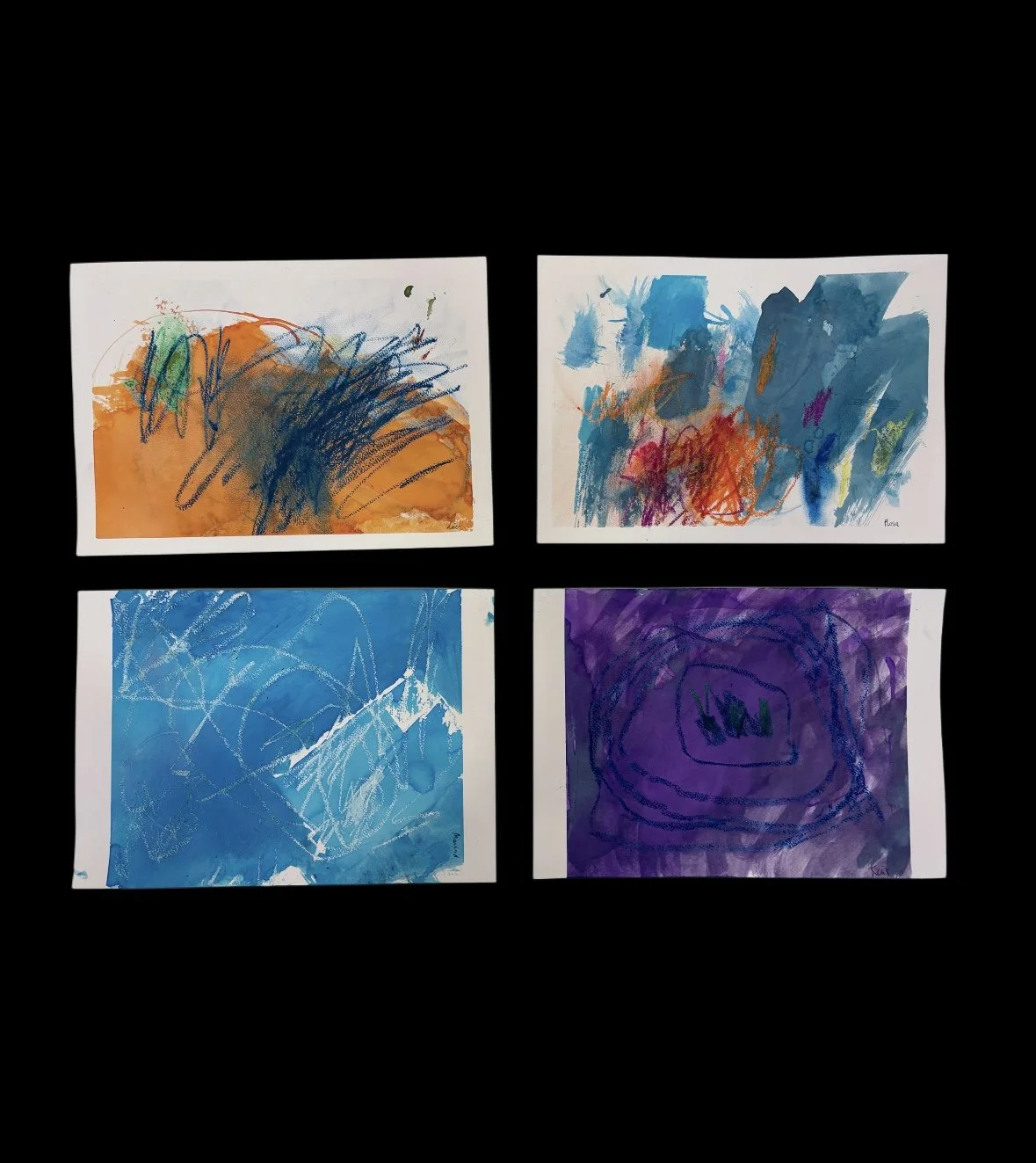
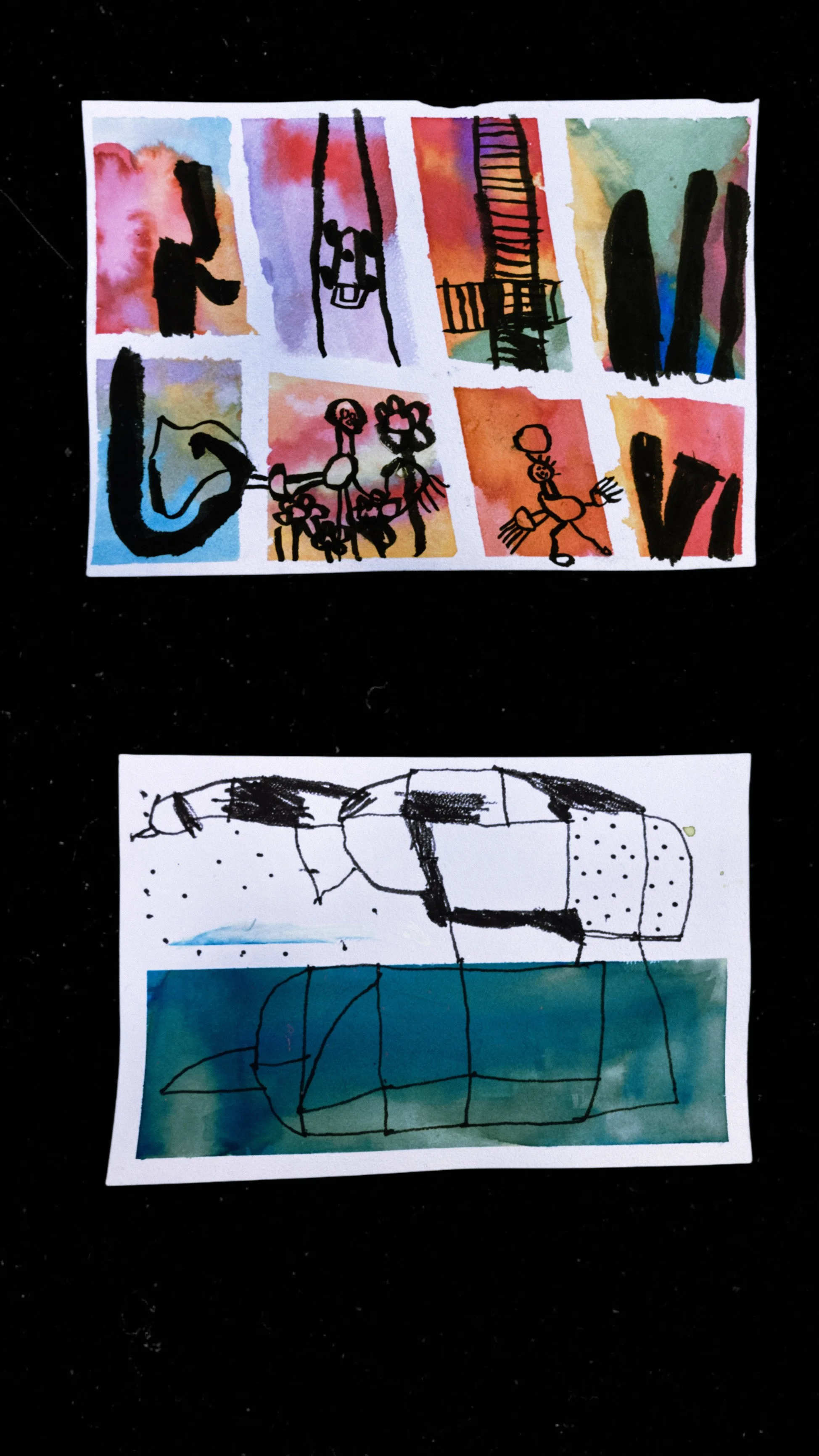
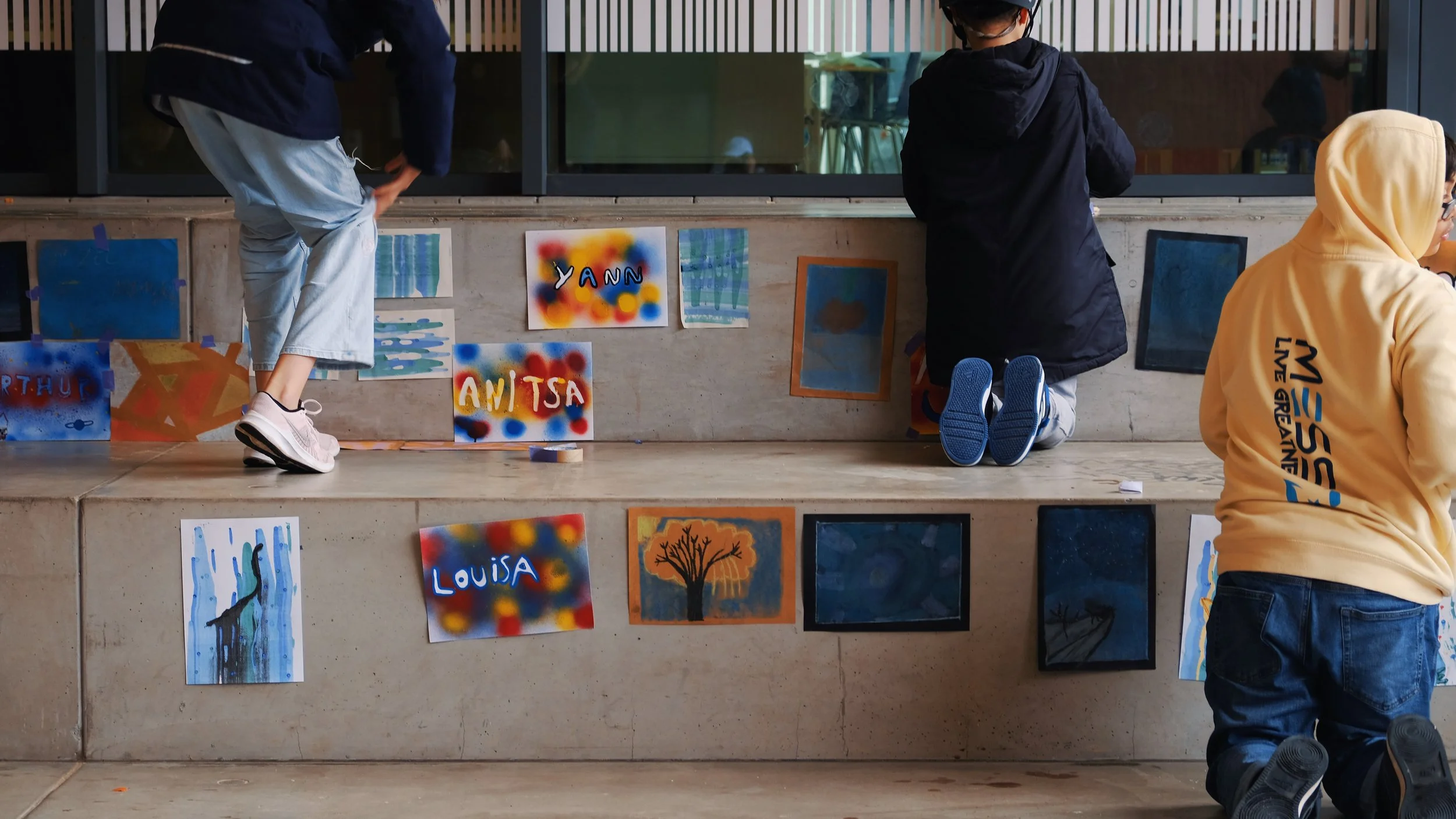
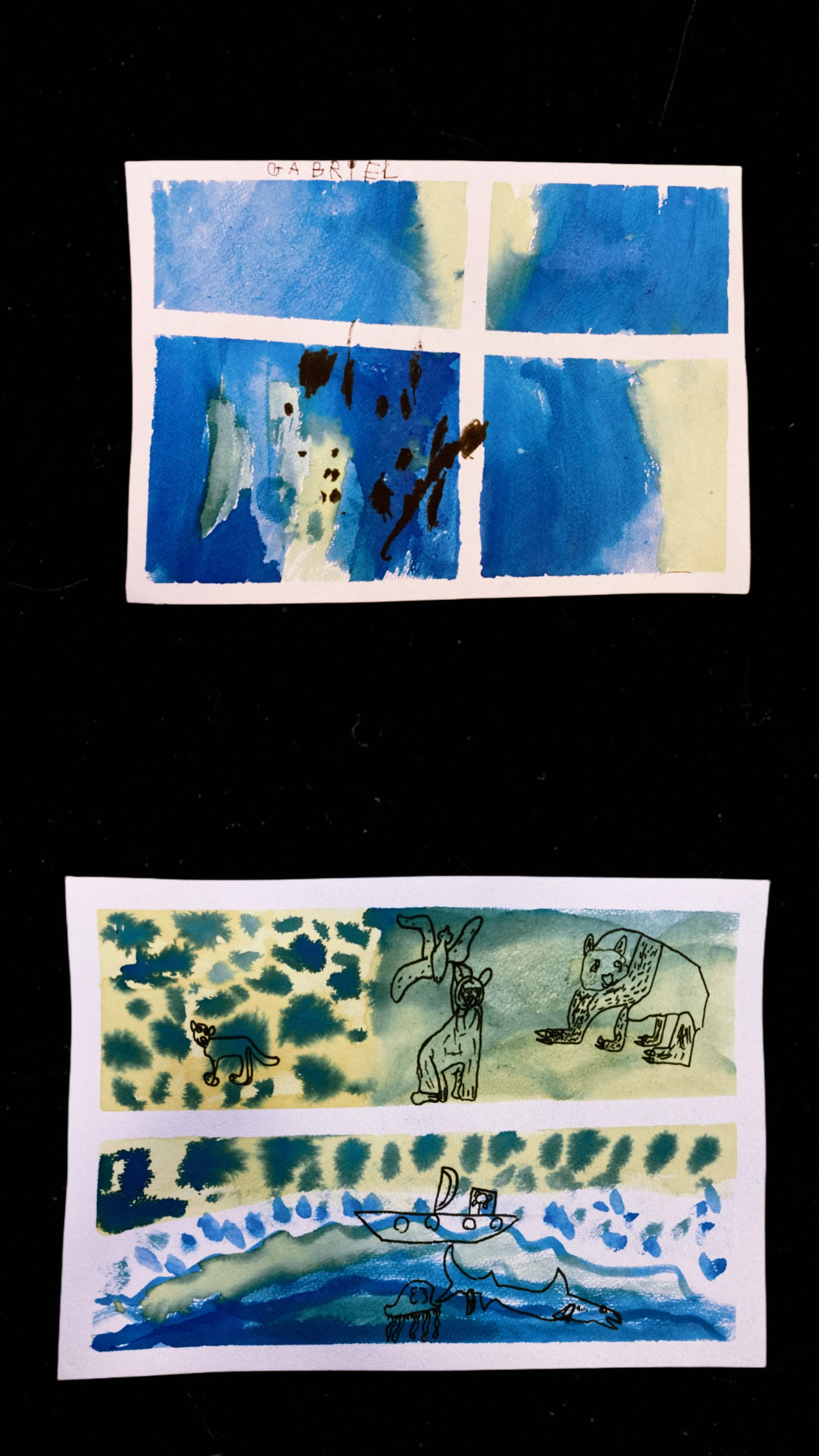
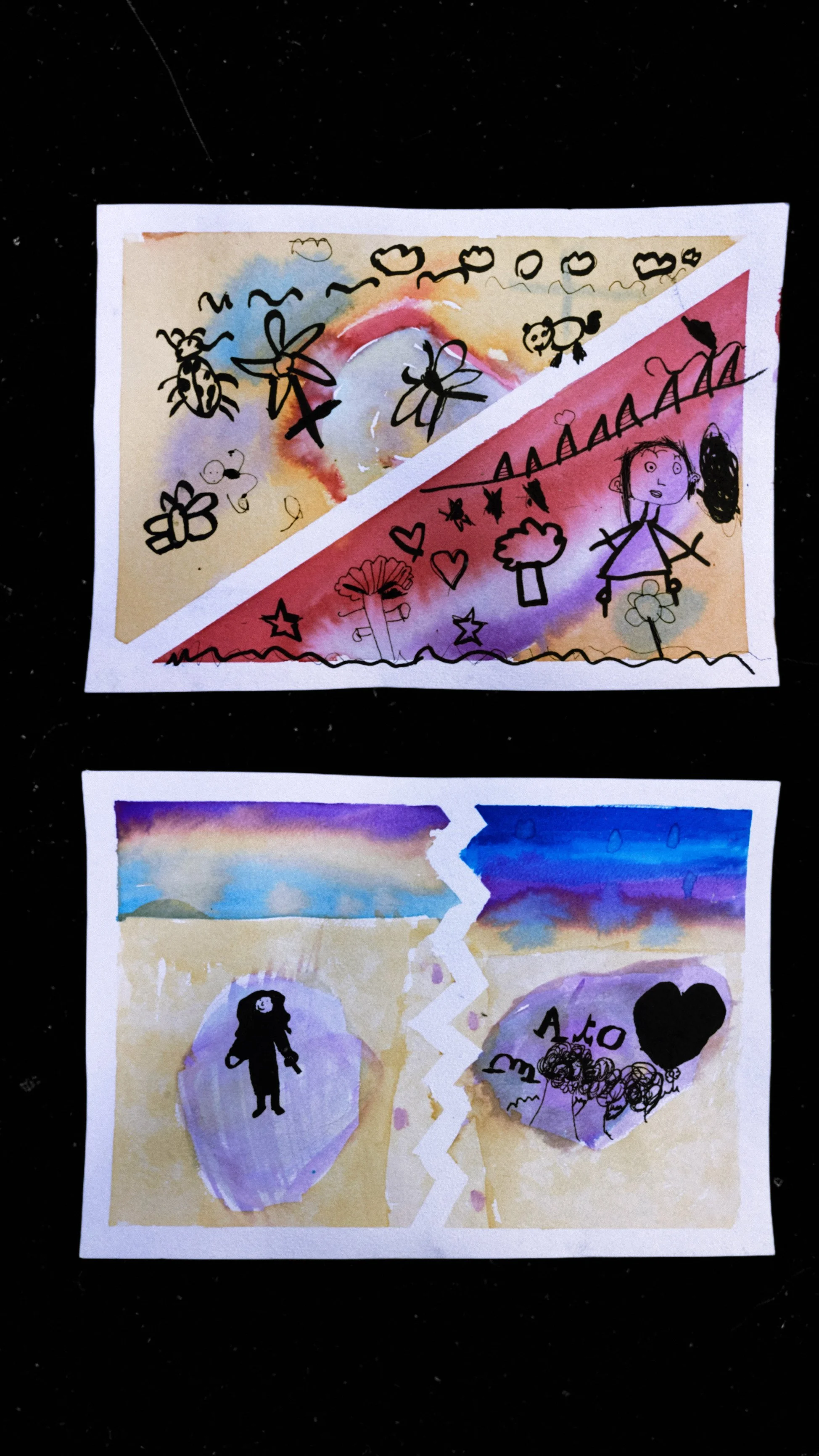
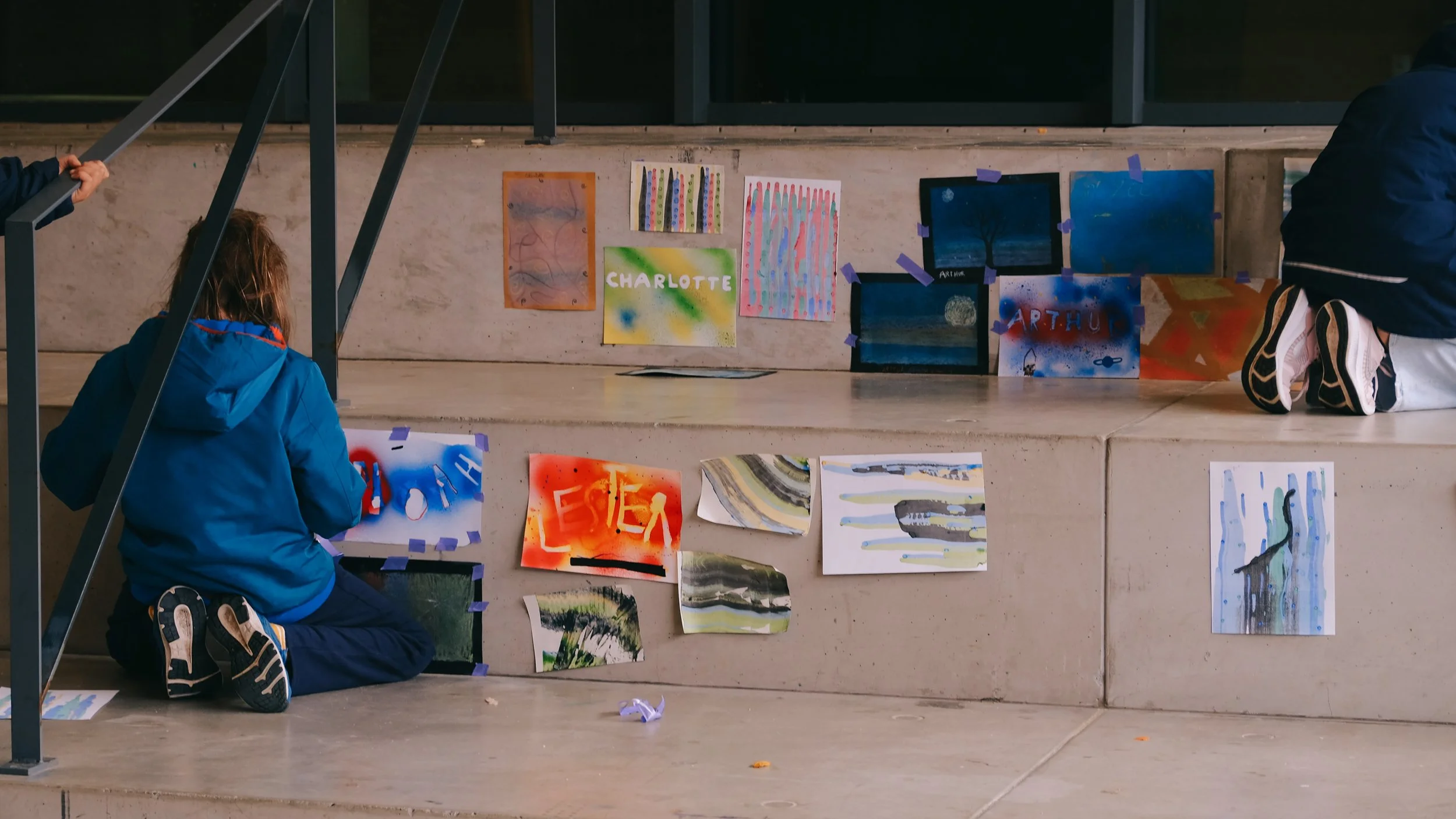
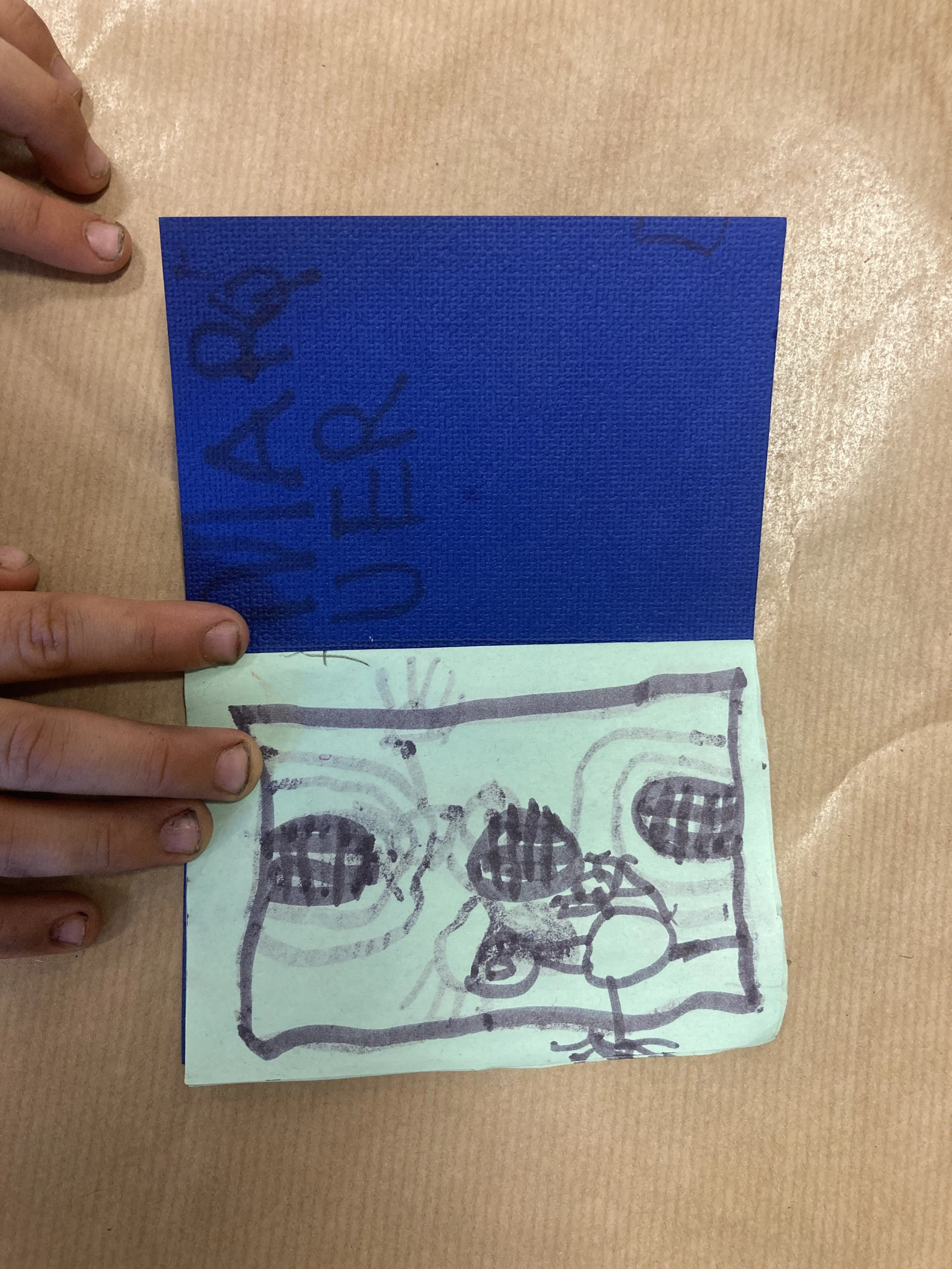
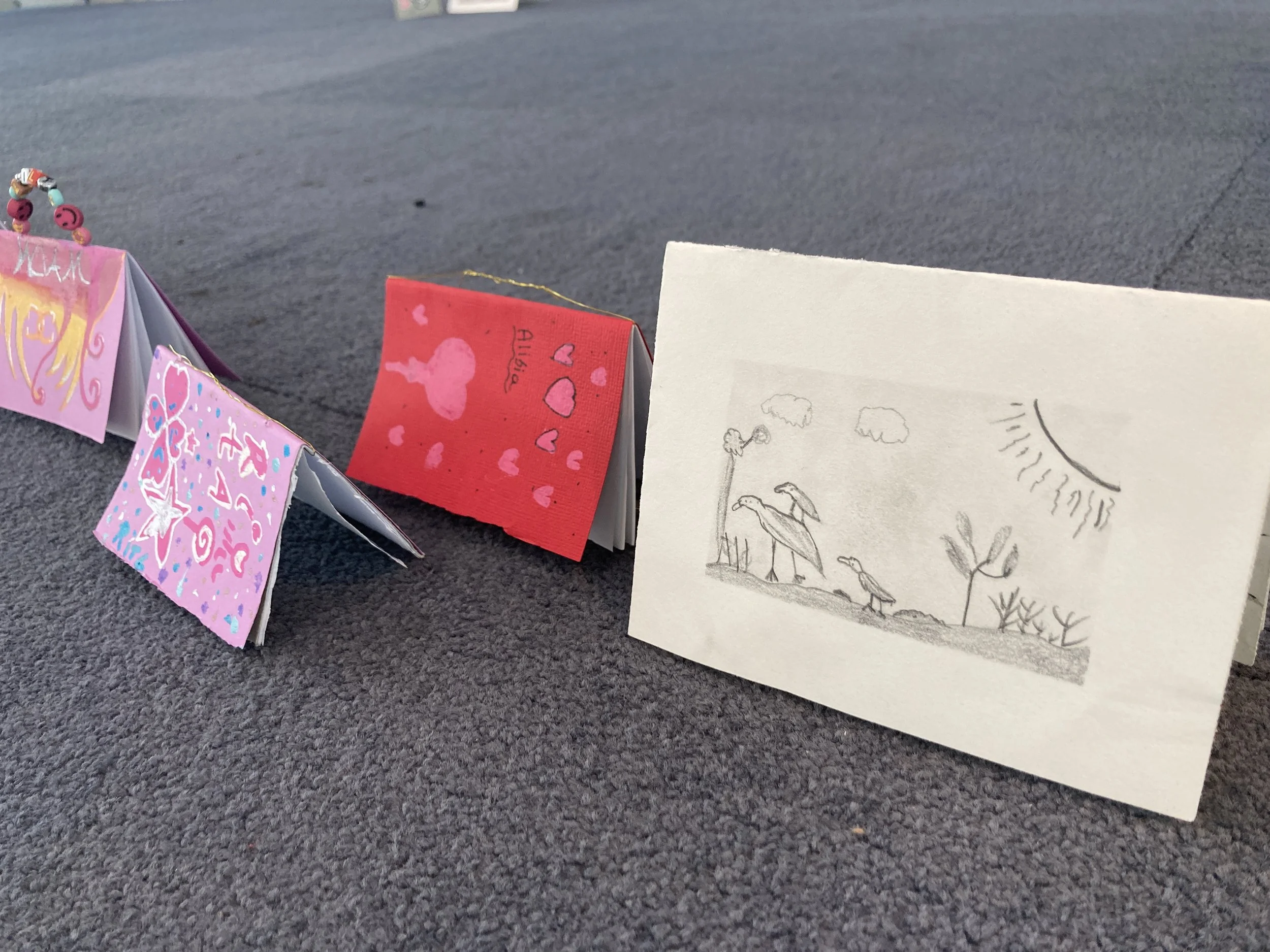
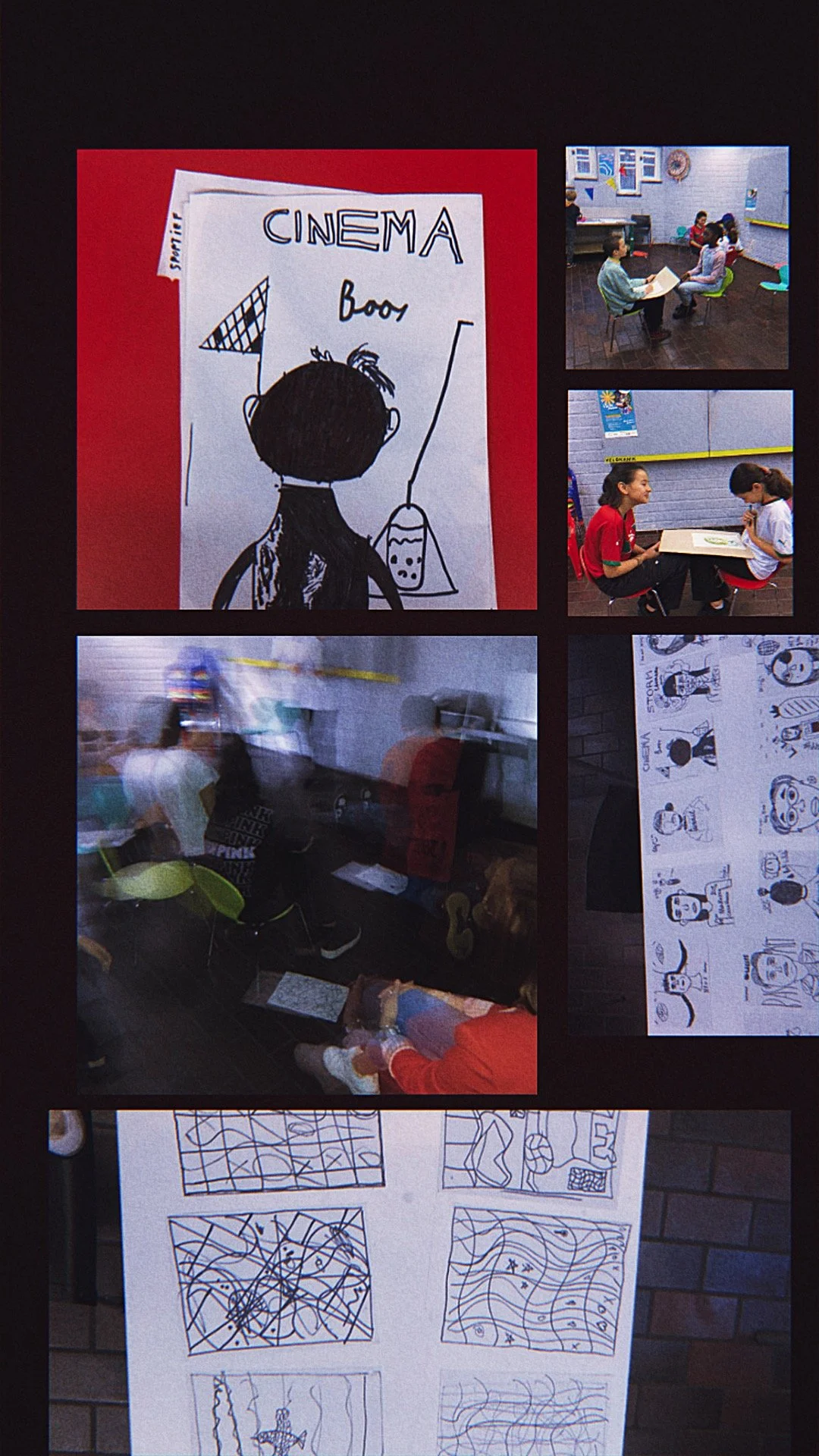
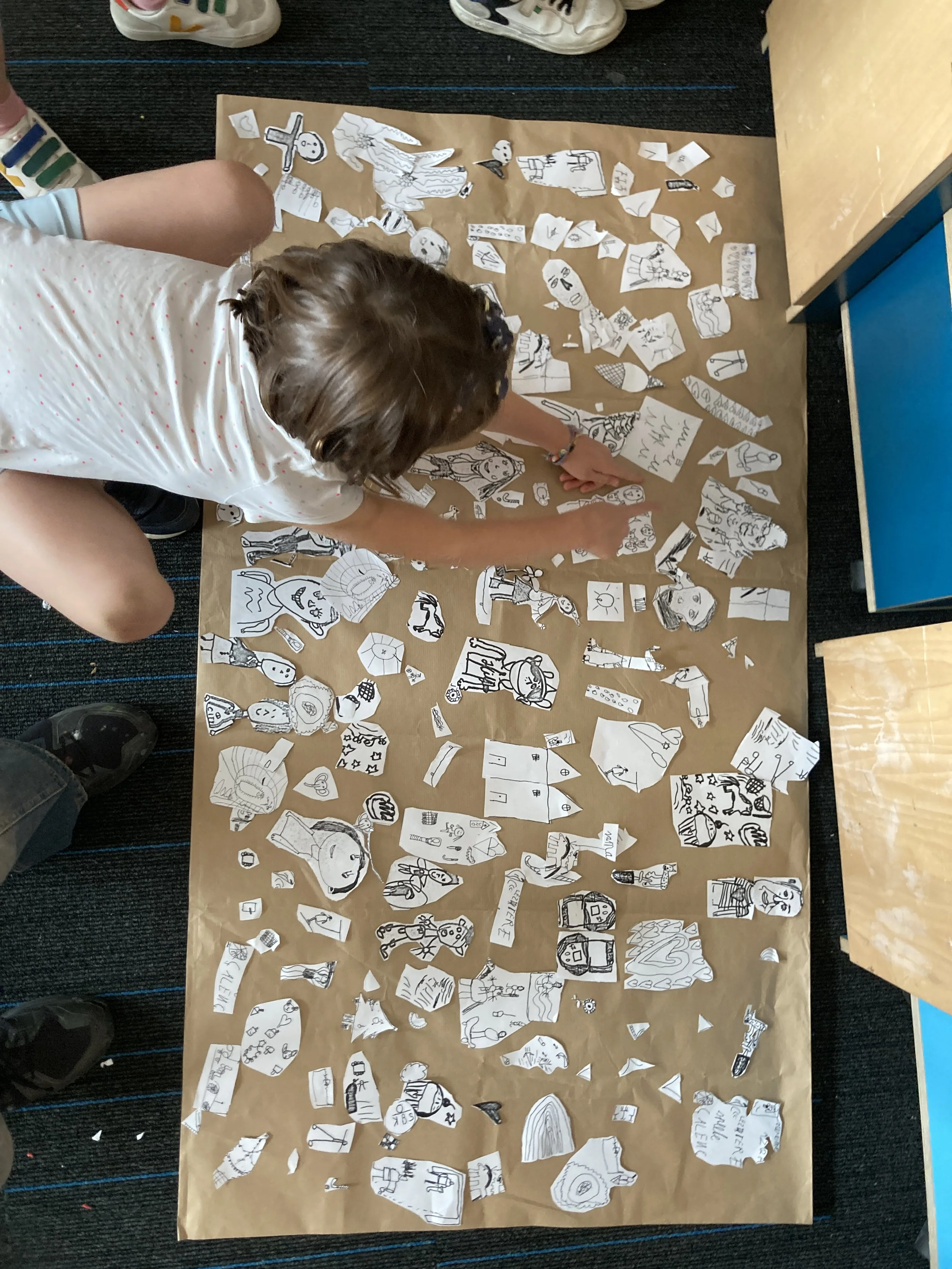
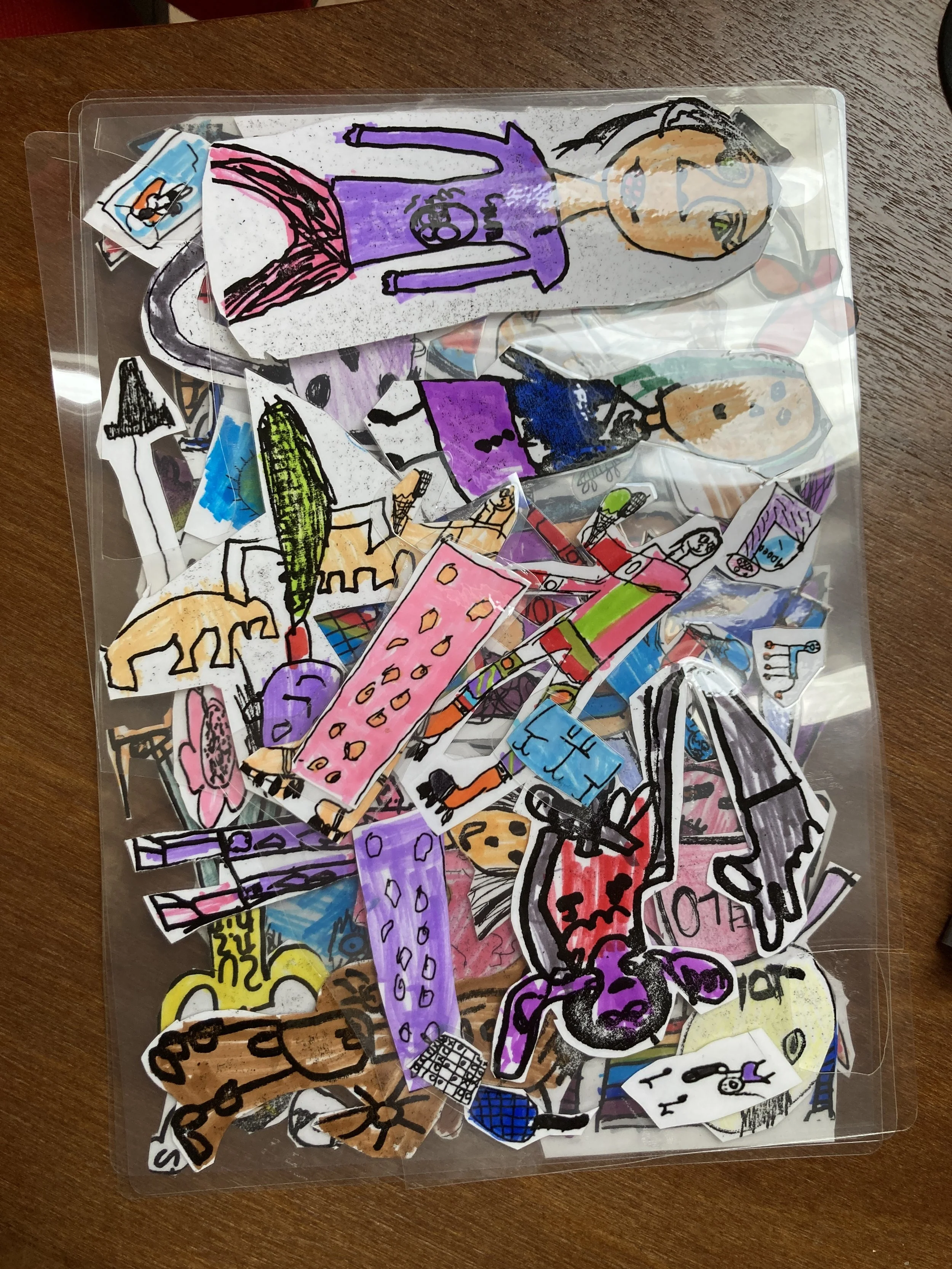
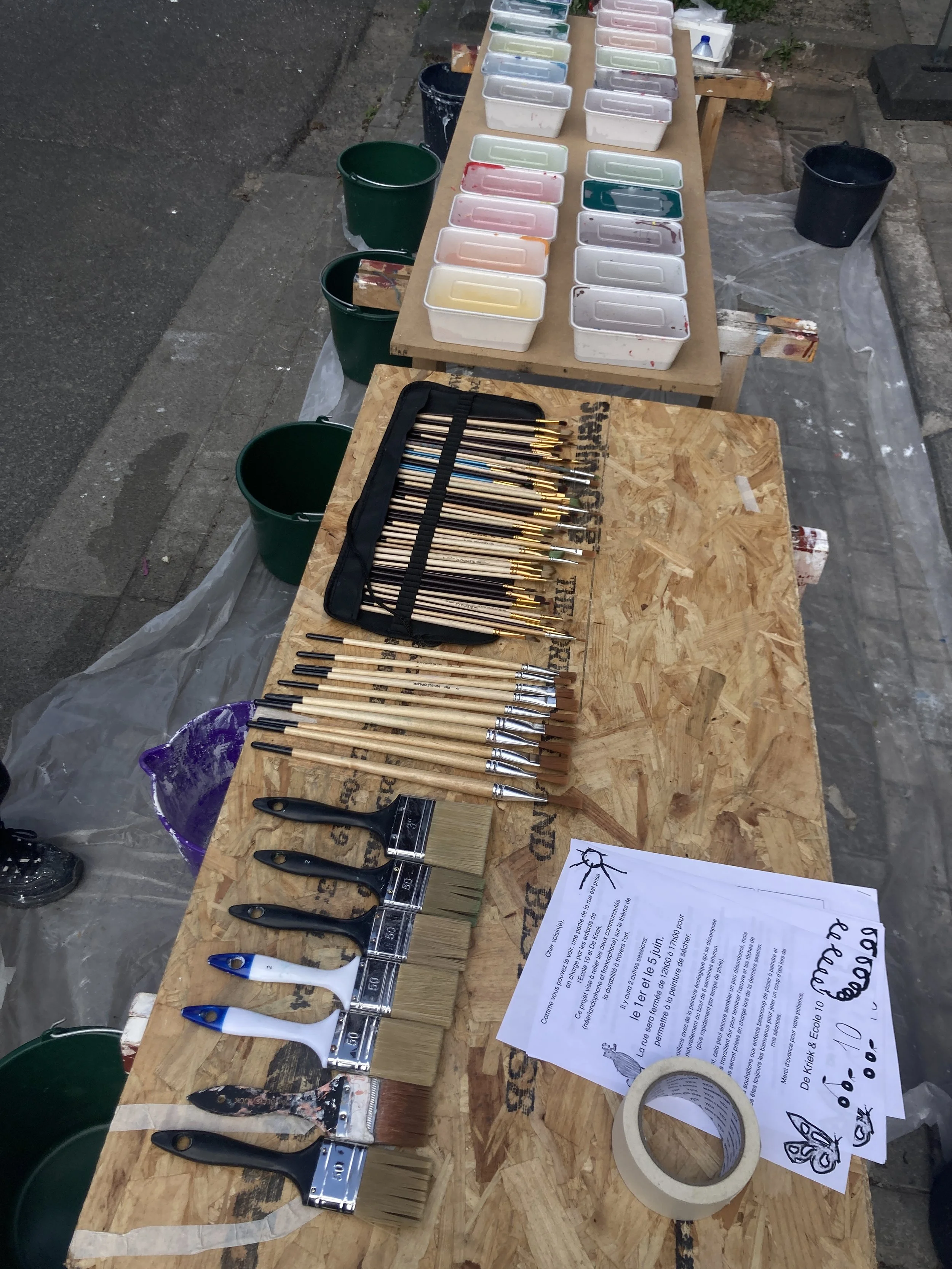
In shorter workshops, mainly around visual media, the focus is on the exploration of a material, allowing children to experiment the physical medium, without leading or formatted example or result and a big flexibility in content.
Afterwards, often the image gets interprated for a play or a game.
OPEN SOURCE WORK DOCUMENTS & READS
Skateboarding Coaching
& Public Space
This writing about games by Roger Caillois and the juxtaposition of skateboarding gave a very interesting framings to “play”. This text has changed my vision about “playing” and the meaningful and importance behind it. Also it gives sense to why skateboarding and it’s pedagogy is getting more and more interest by scholars and teachers. I would definitely recommend this and give it a read.
(English)
In this more recent book, we can find a more diverse view on skate pedagogy that fulfilled my wish while reading the previous ones: to also examine and study the pedagogy of game and a more varied public, and by a variety of scholars, including POC, women, and the queer community. This book is a collection of essays, that I enjoy to read slowly, one essay at the time.
Jasper and I accidently both bought for each other, so we now both have it, he he.
(English)
Following the previous book is the actual book by Rogier Caillois about games.
“In effect, play is essentially a separate occupation, carefully isolated from the rest of life, and generally is engaged in with precise limits of time and place. There is place for play: as needs dictate, the space for hopscotch, the board for checkers or chess, the stadium, the racetrack, the list, the ring, the stage, the arena, etc.”
(English)
Just like the drama games, I use the base of some of these games and make them my own. I want to make my own zine about skate games and actually just a kind of zine around how to teach a skate class. A game I play every time I host a session or lesson I would like to add:
SKATE NAME TIC TAC GAME
At the beginning of a lesson or session, to help reinforcing the group atmosphere and giving a little hand for the shy skaters, have everybody high five the entire group. At each high five, the skaters have to say their name to the other person. The skaters have to stay with their both feet on their boards. They can tic tac or use their hands if they want to push themselves if tic tac is too hard.
At the end of the session, let them do the same, except for this round, the skaters must try to say the name of the person they high five!
If your group already know each other, you can play this with something else than names, like favourite foods, colours, favourite skate trick, brand of trucks, etc.
(English)
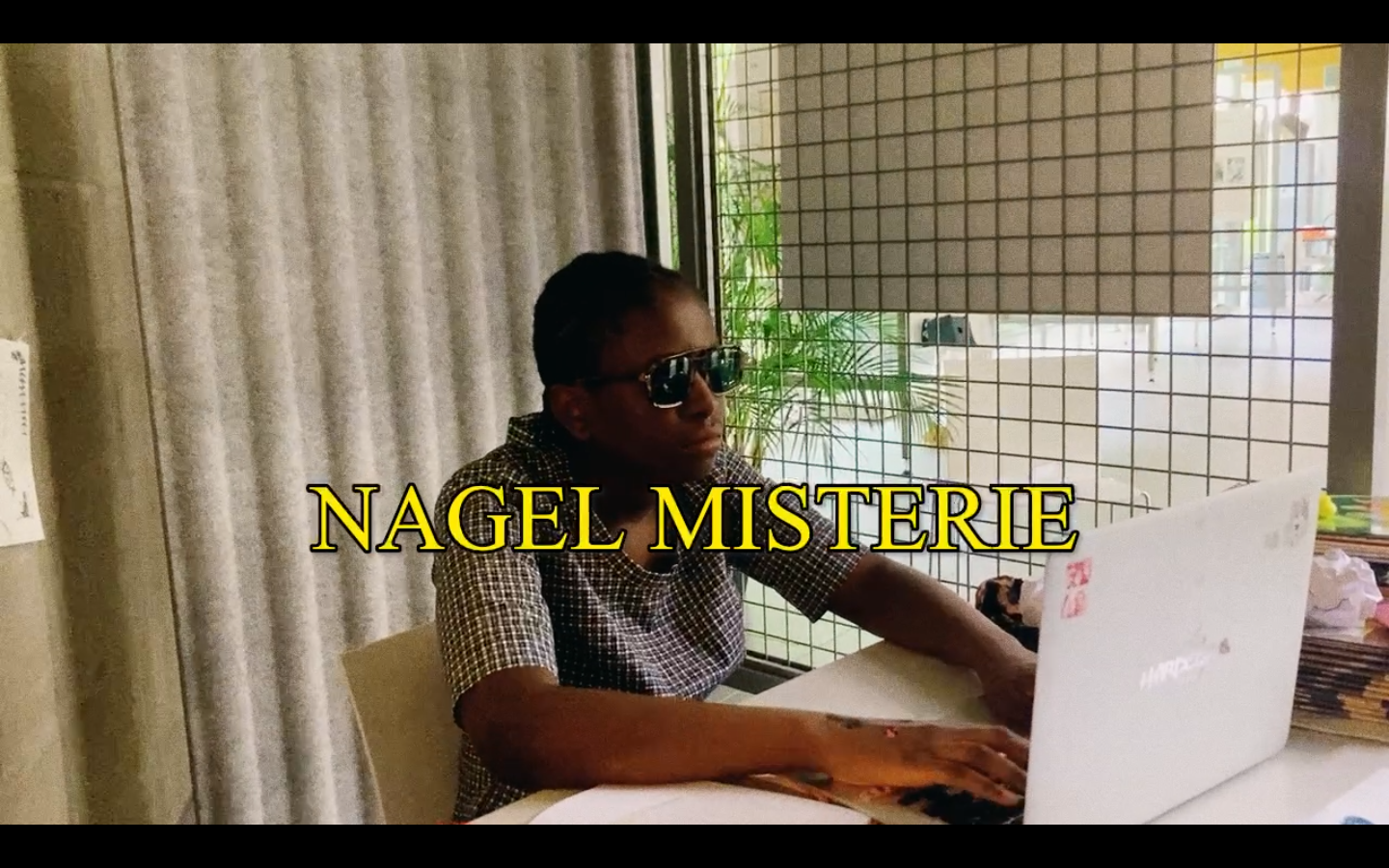
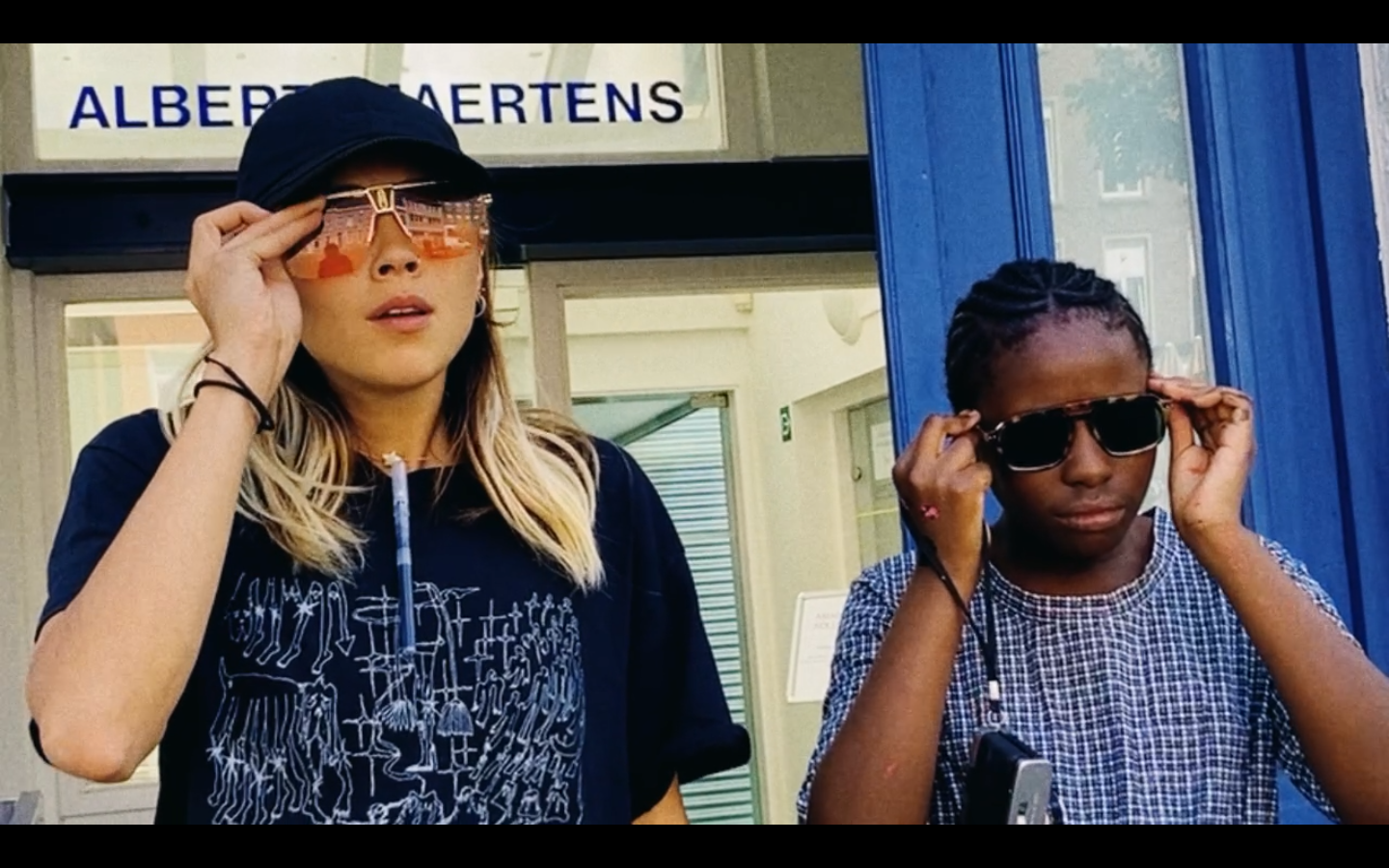
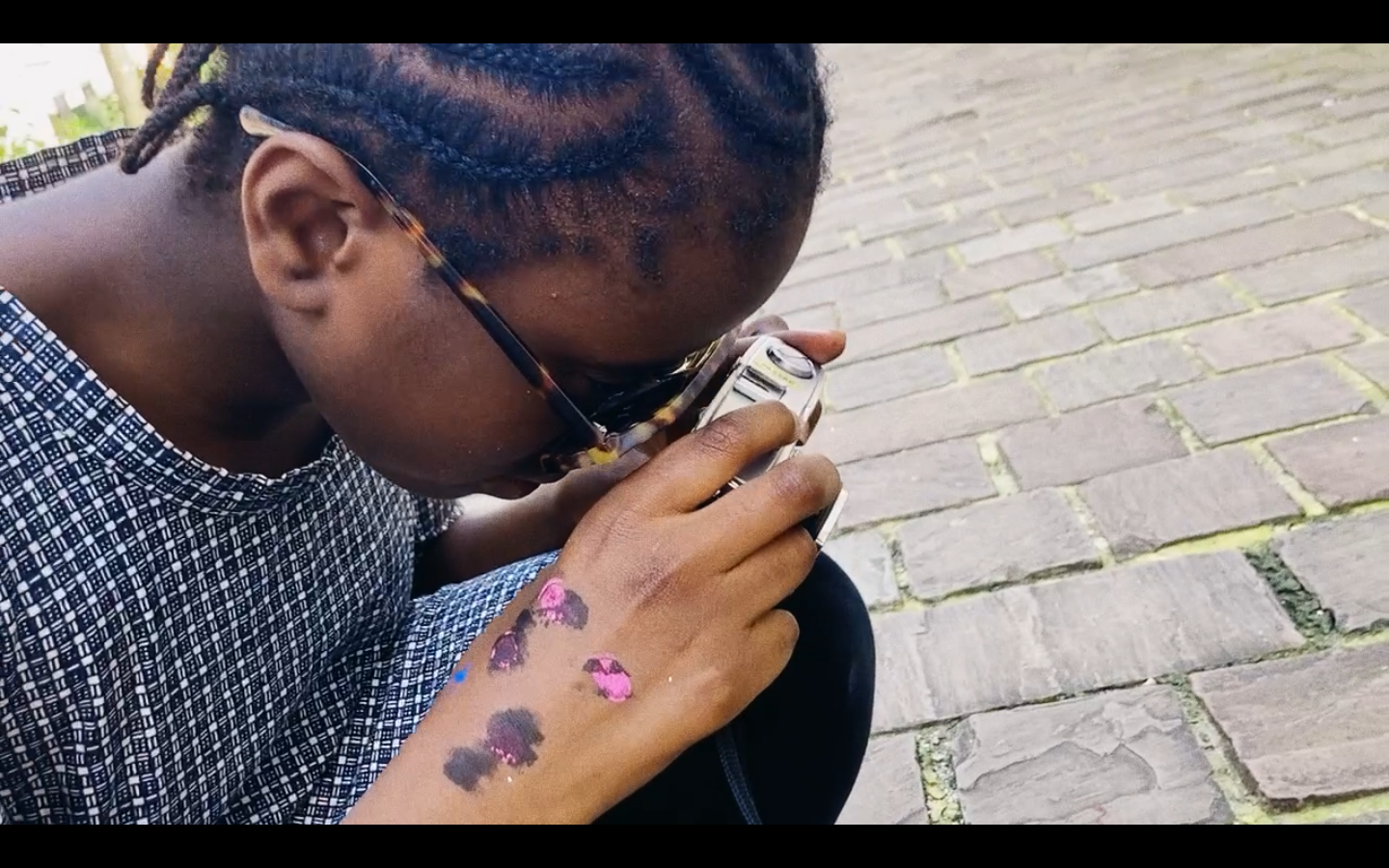
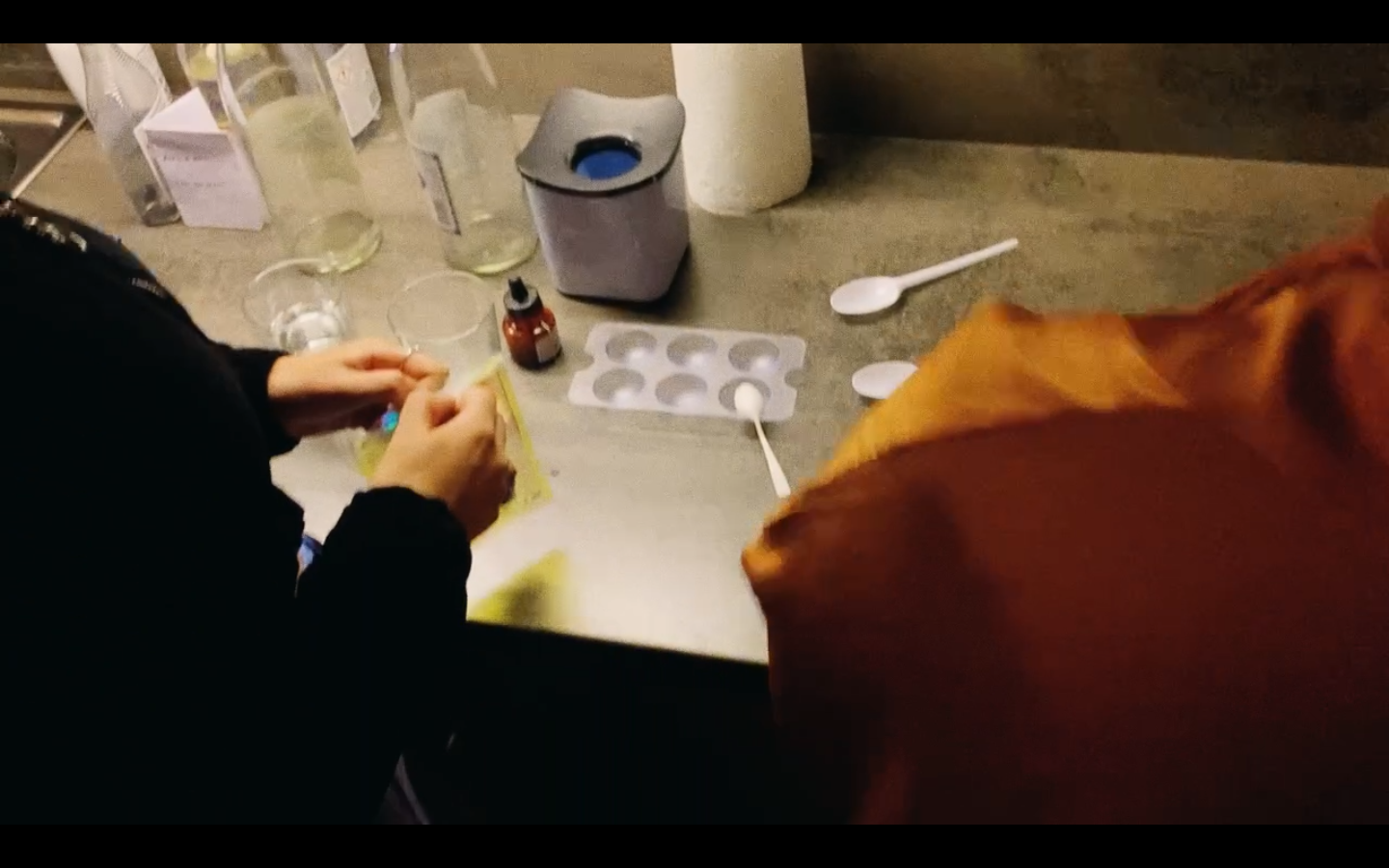
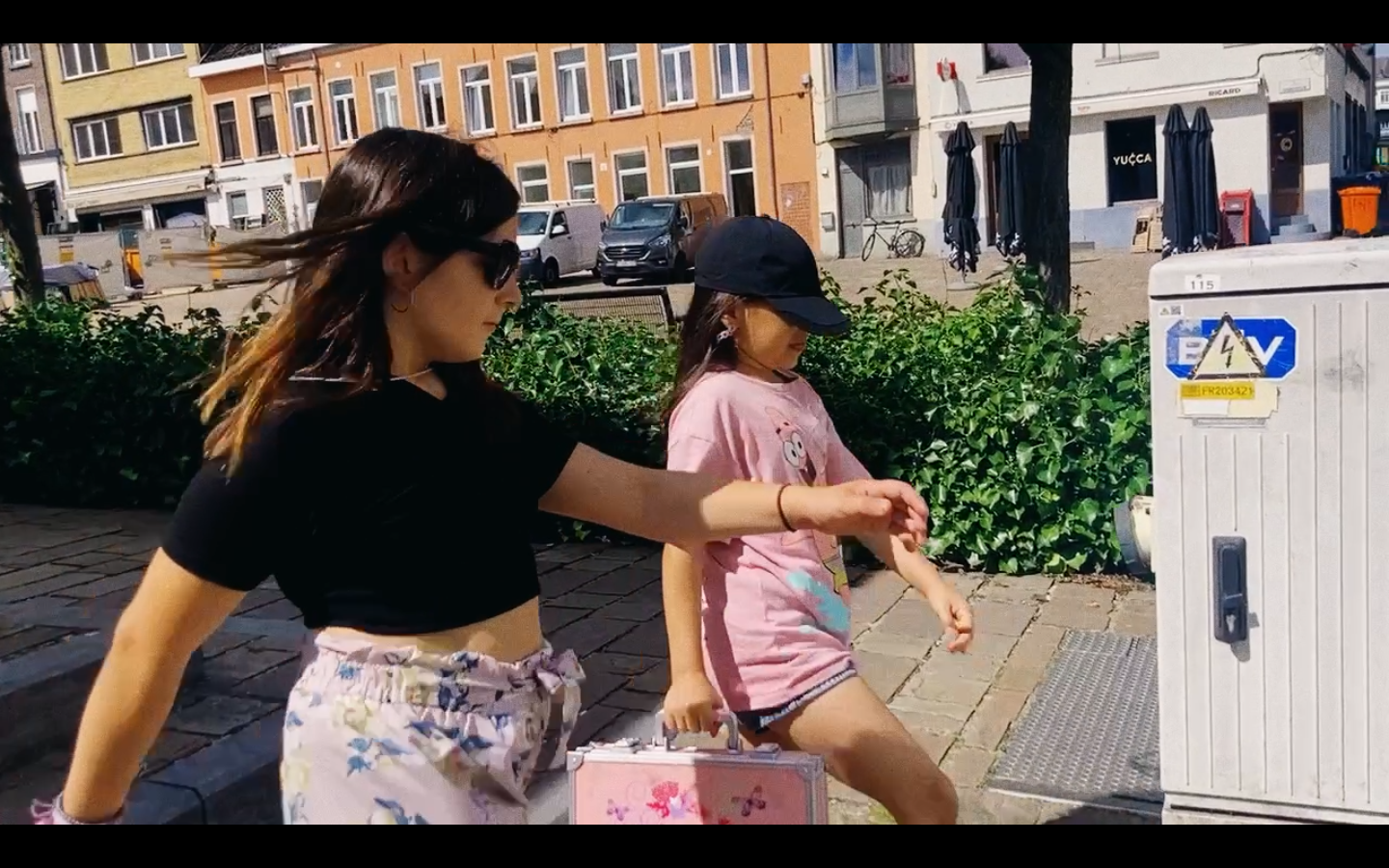
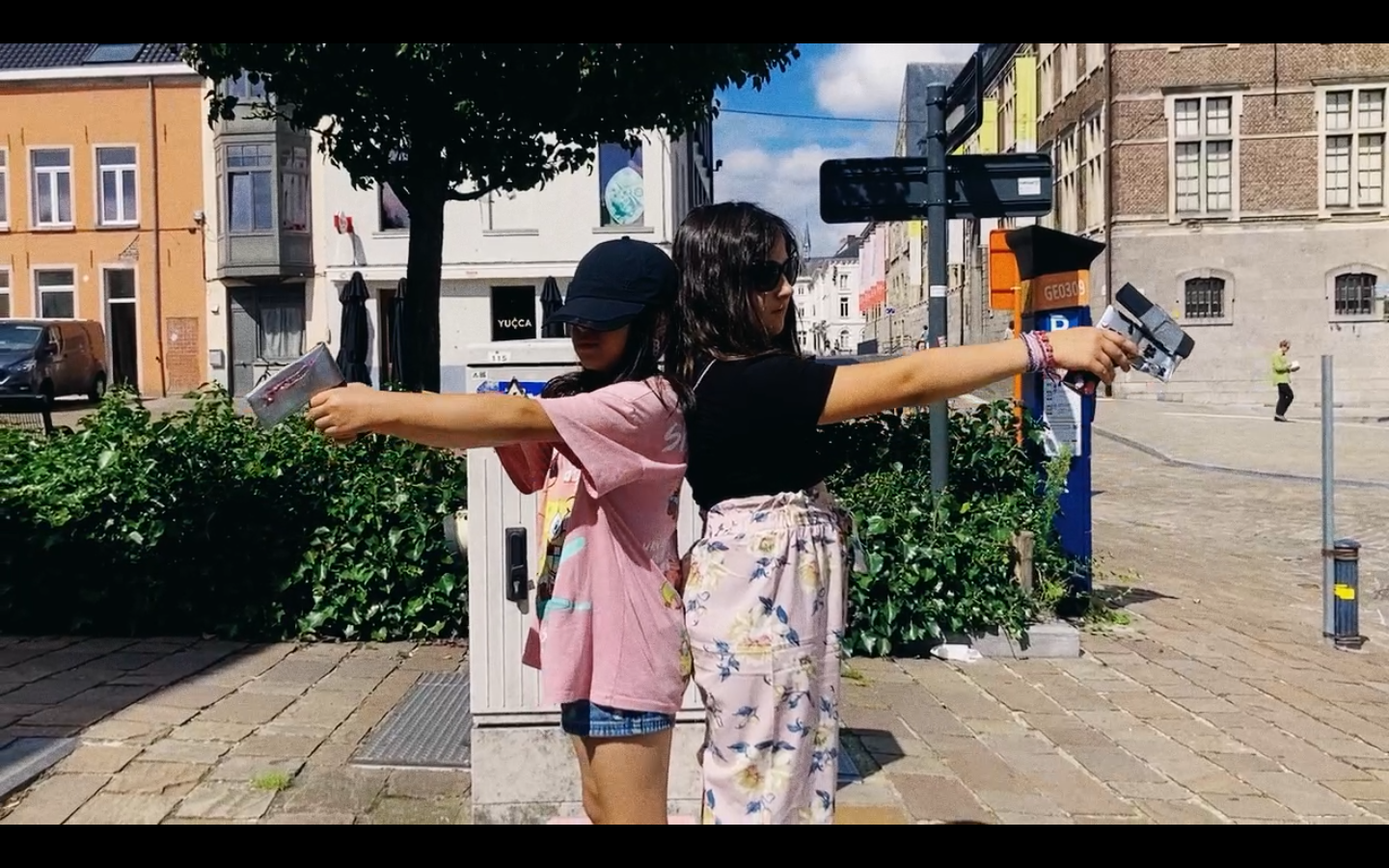
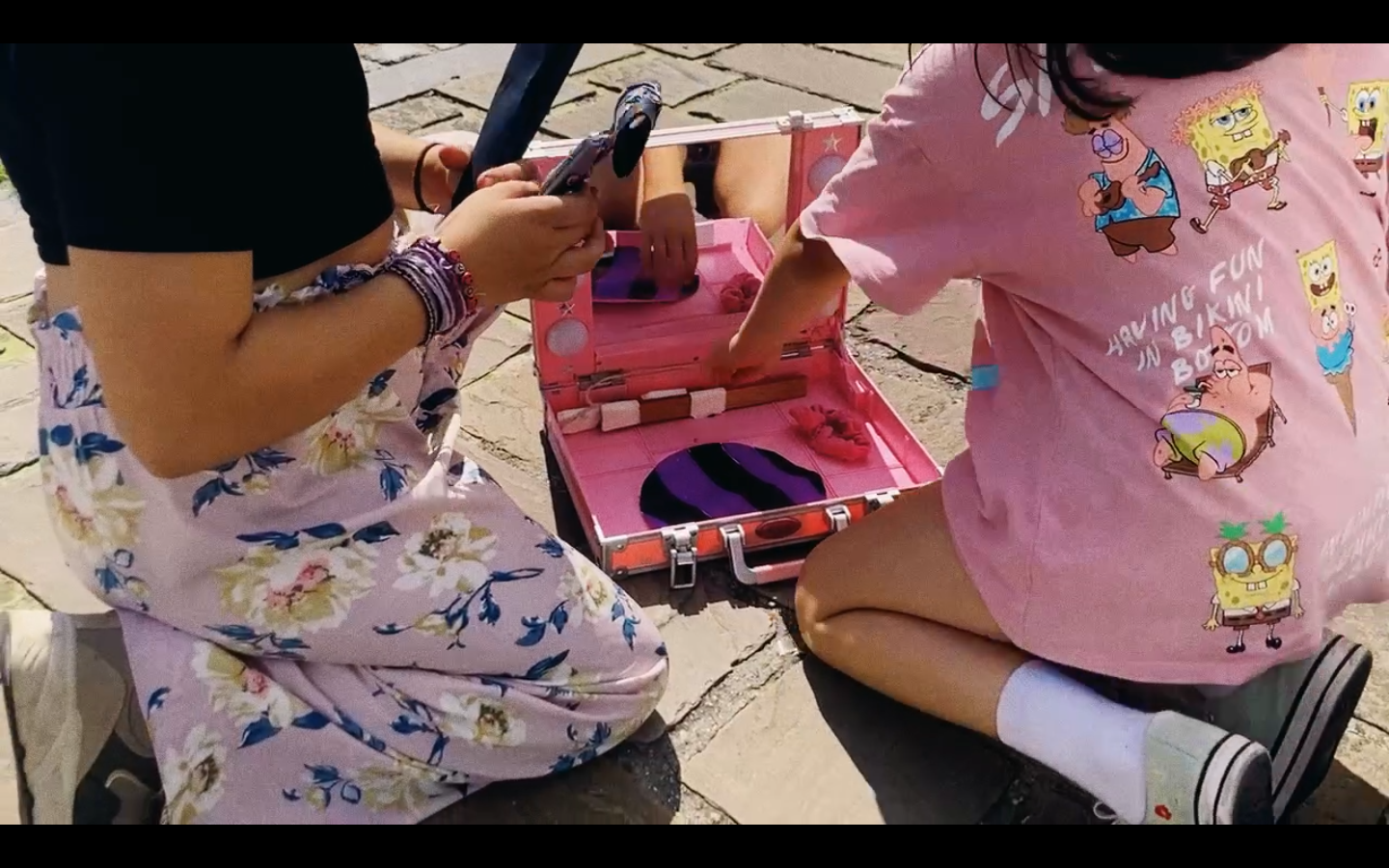
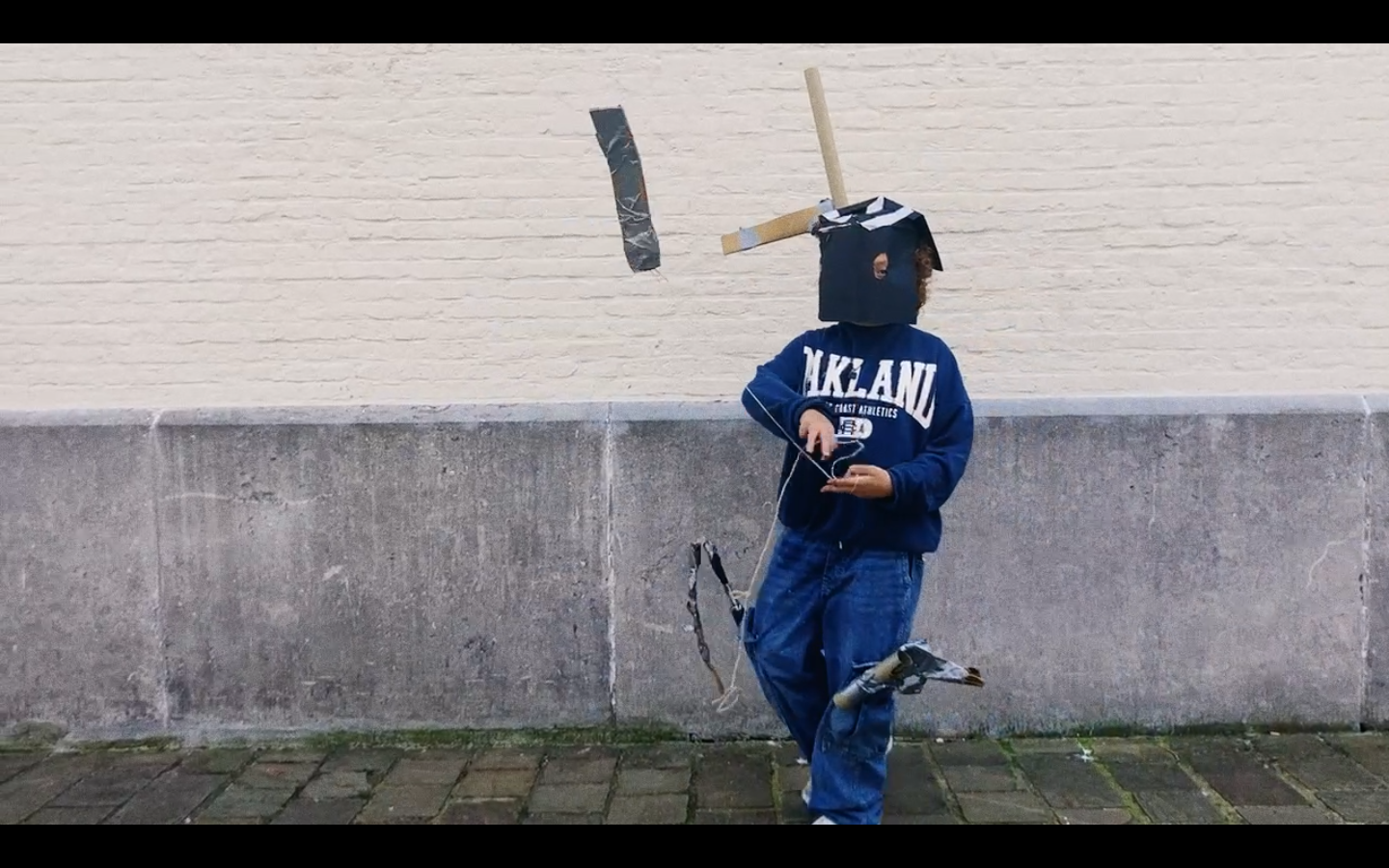
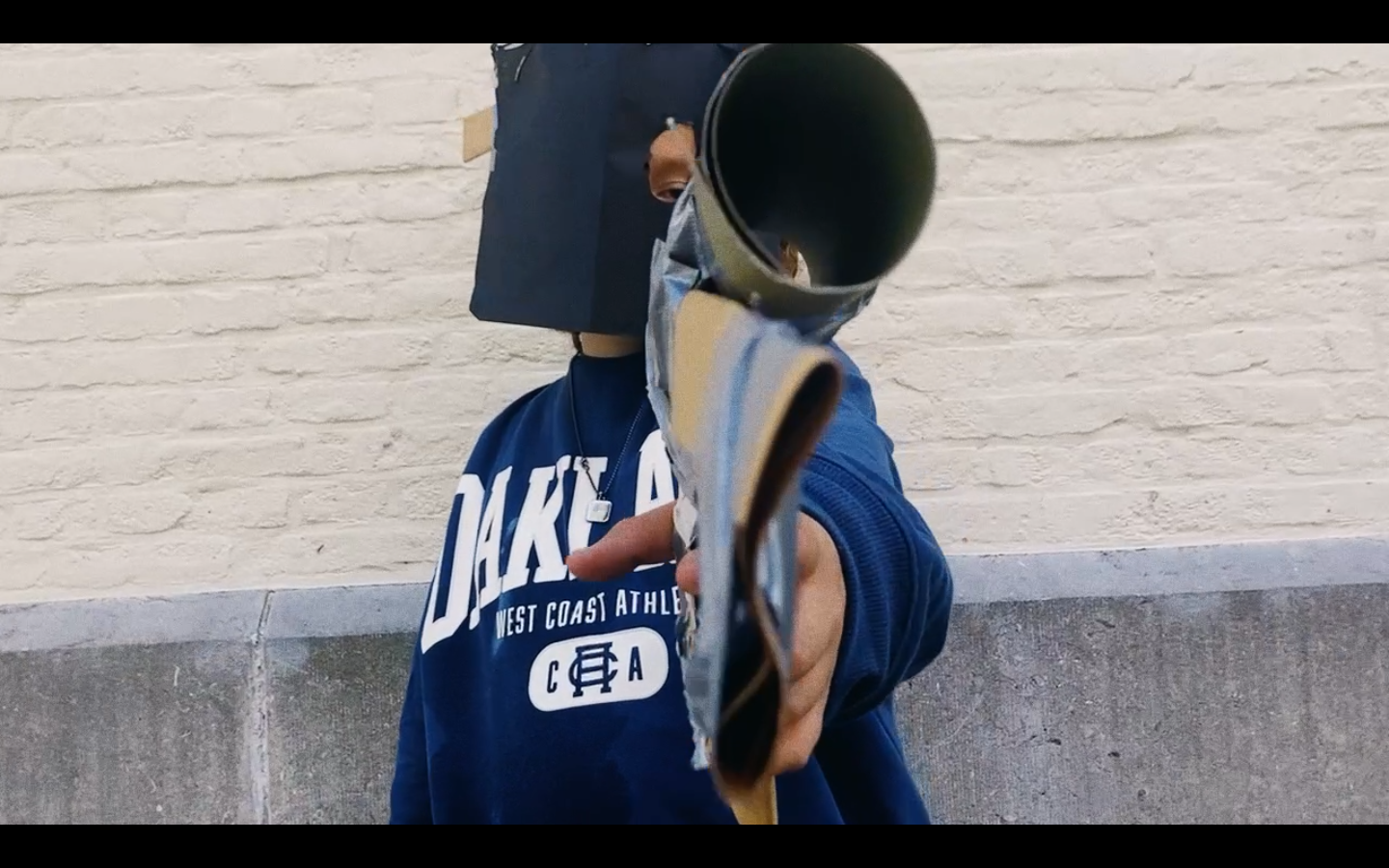
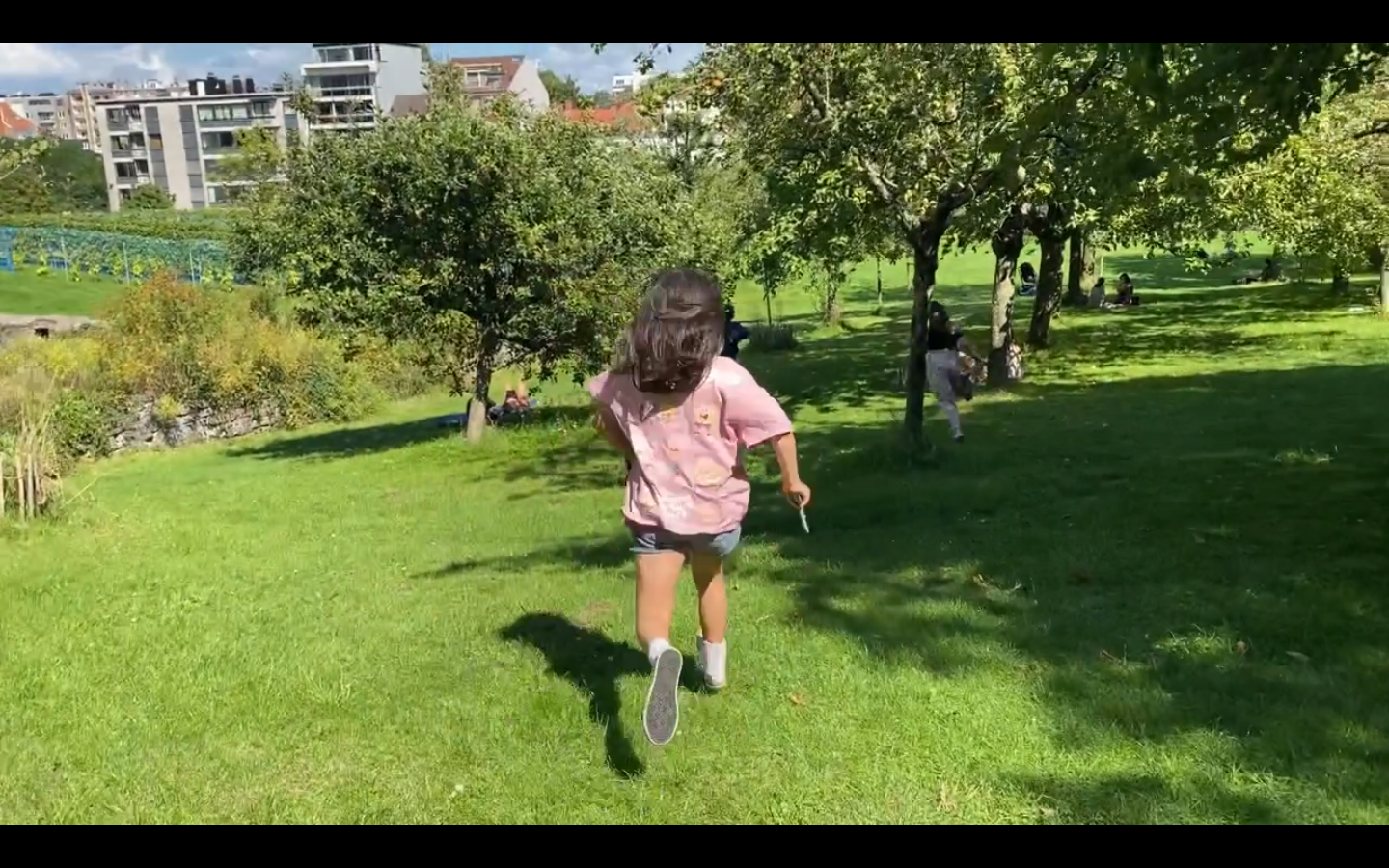
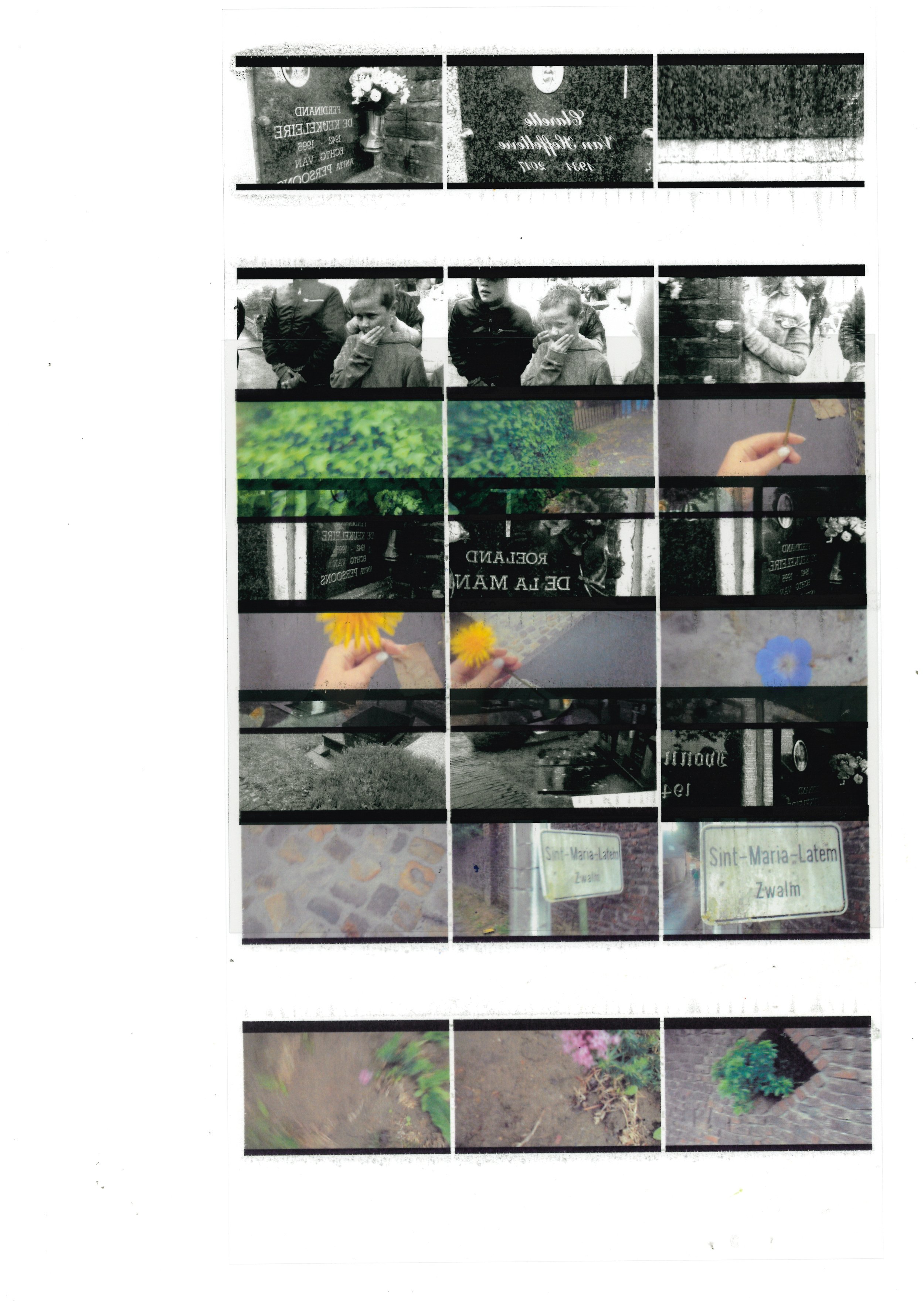
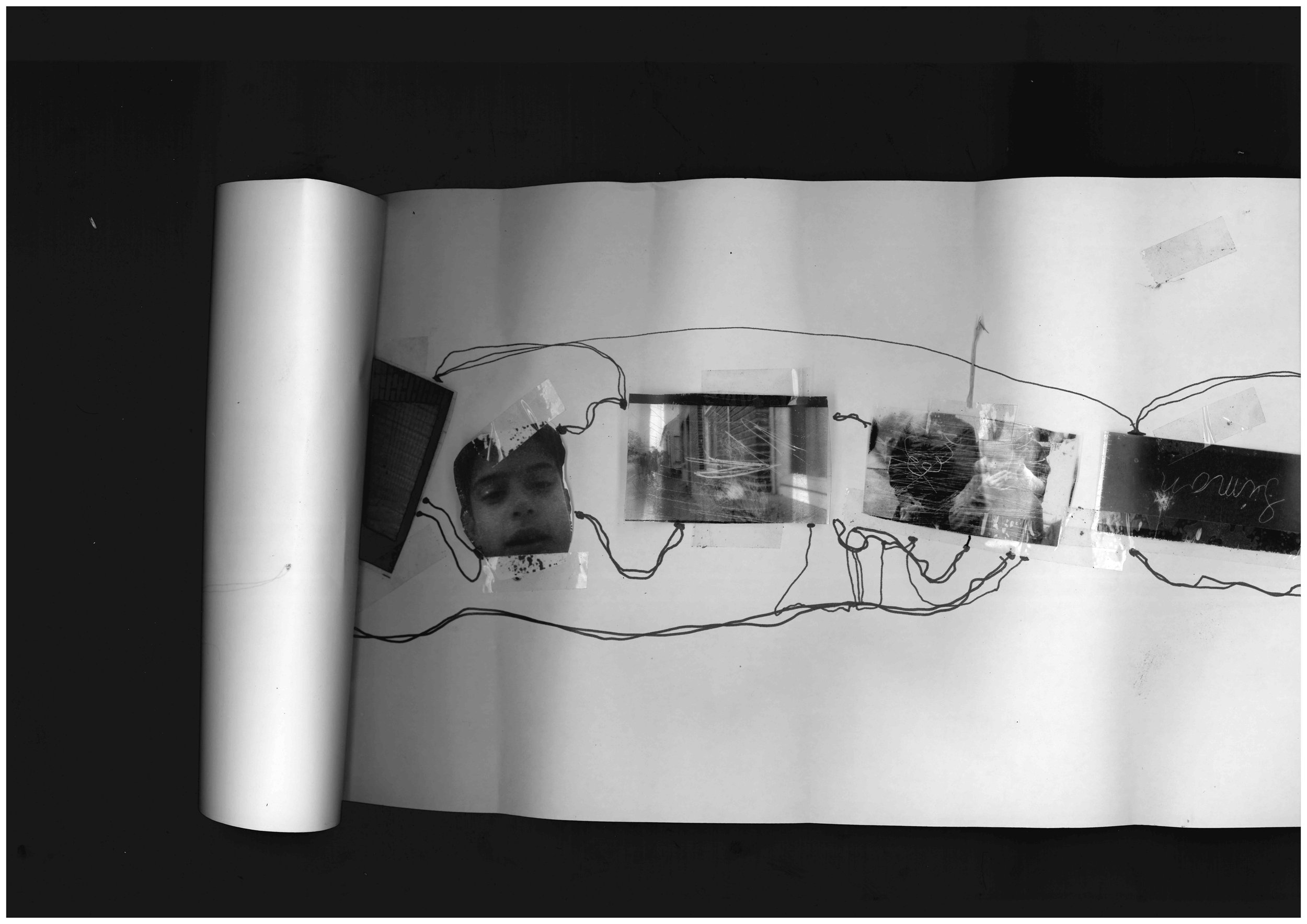
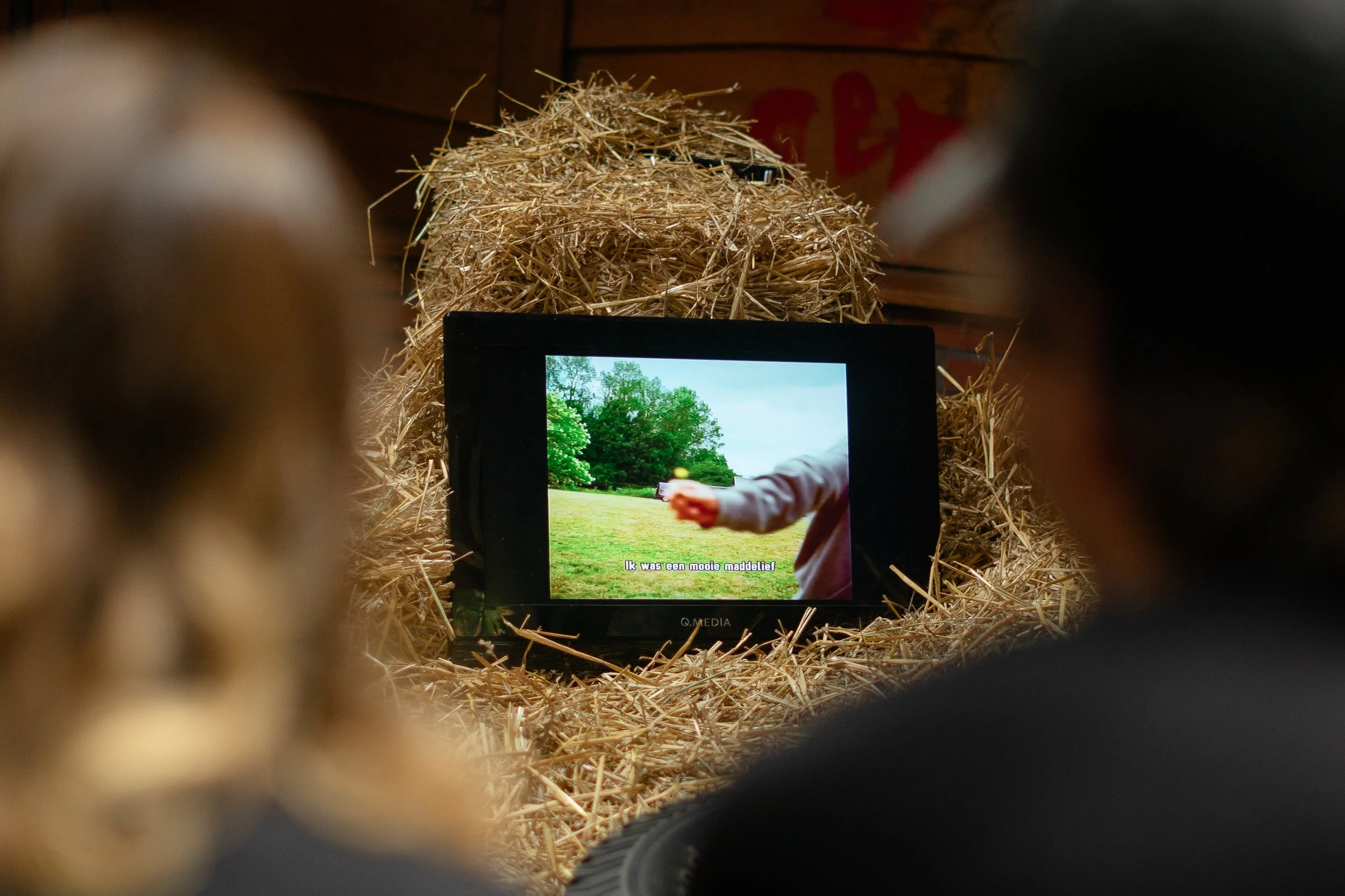
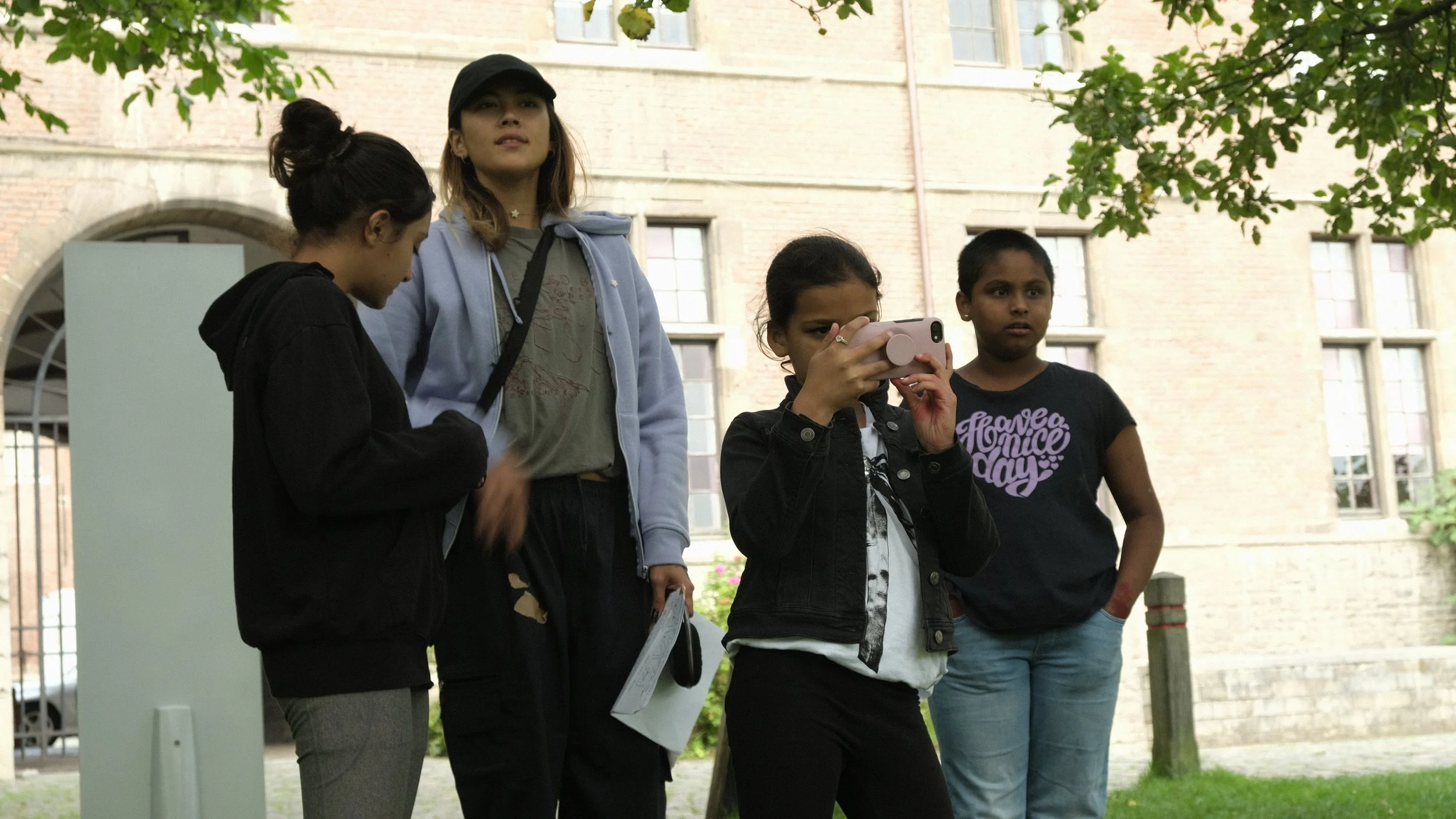
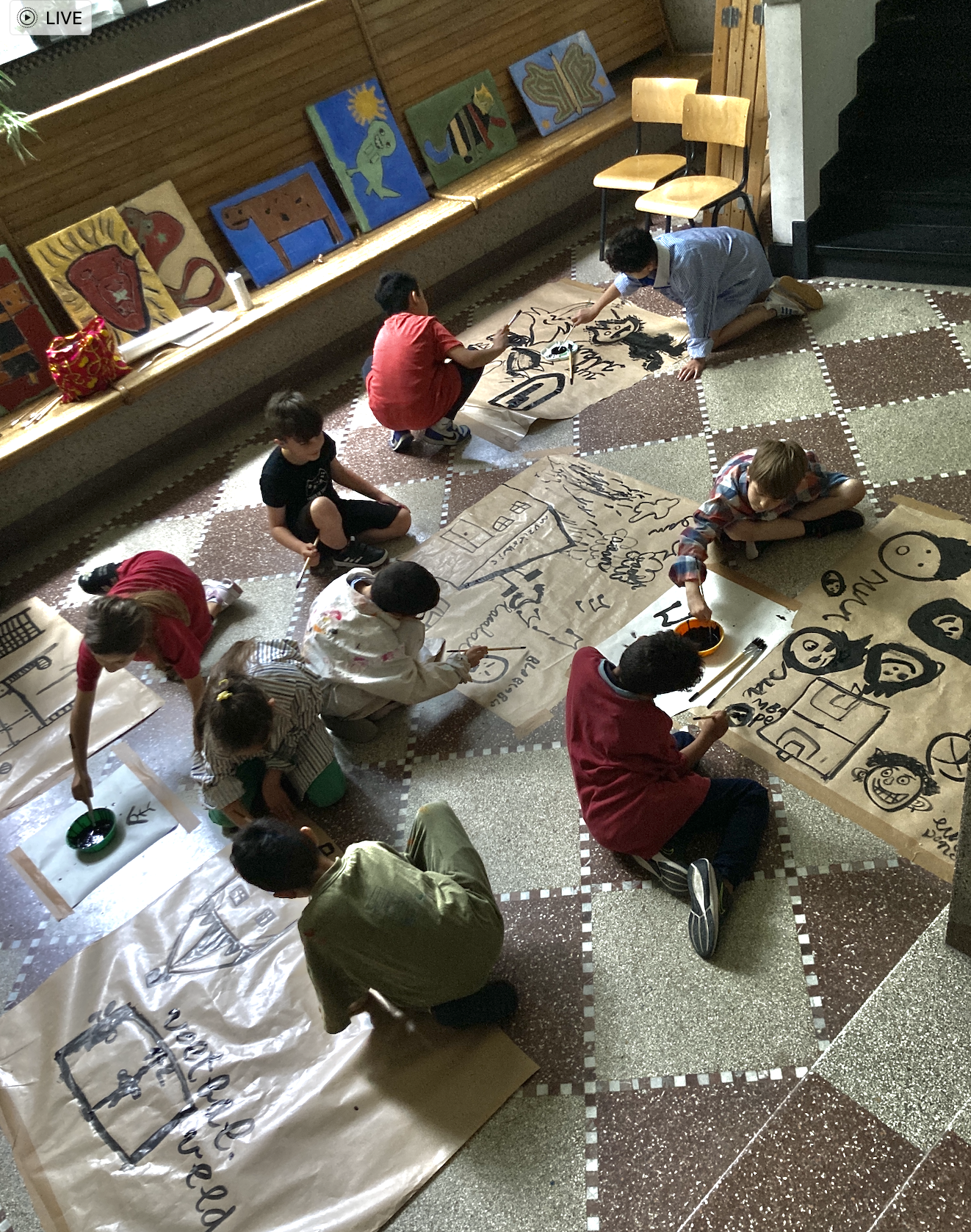
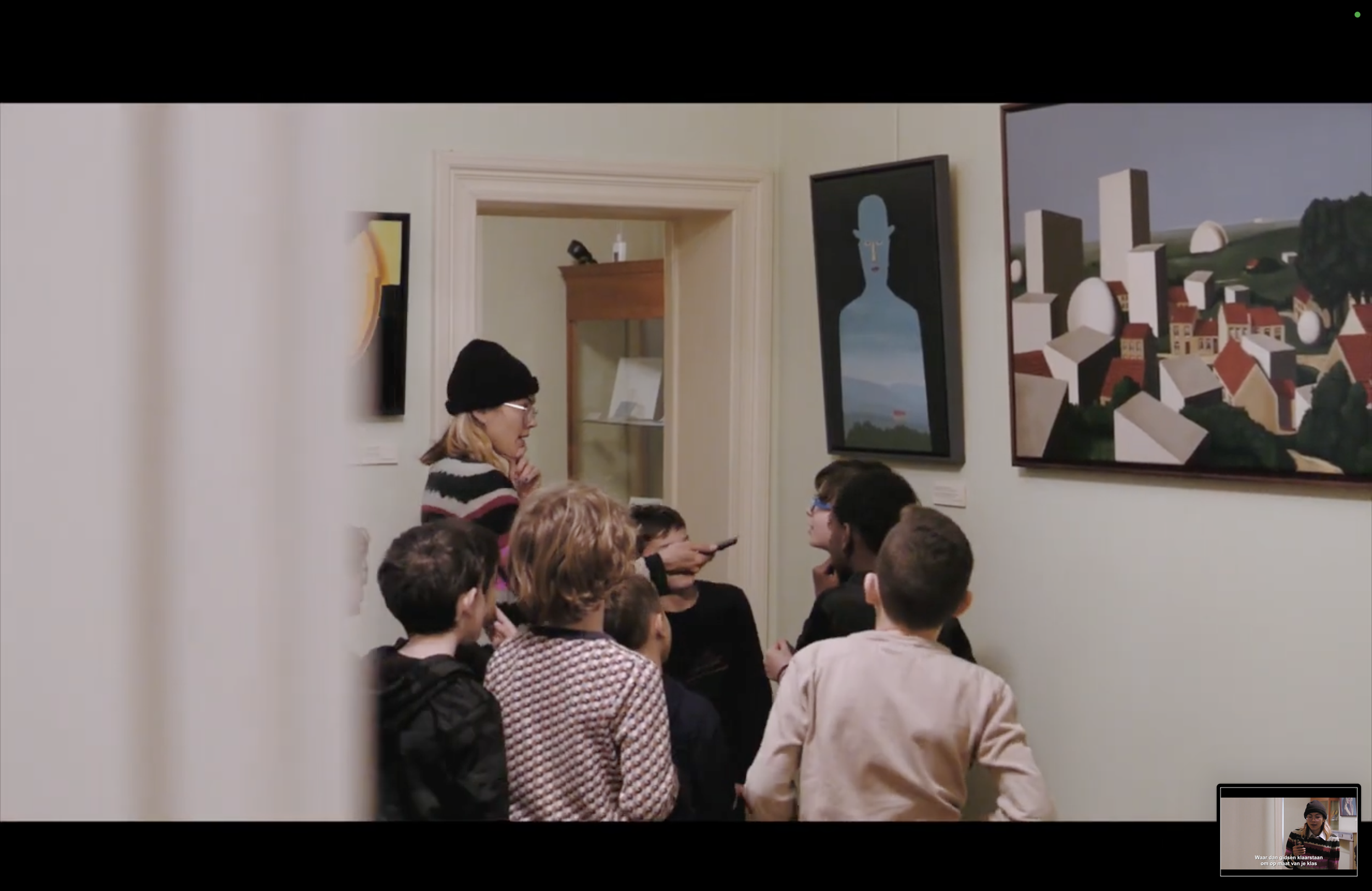
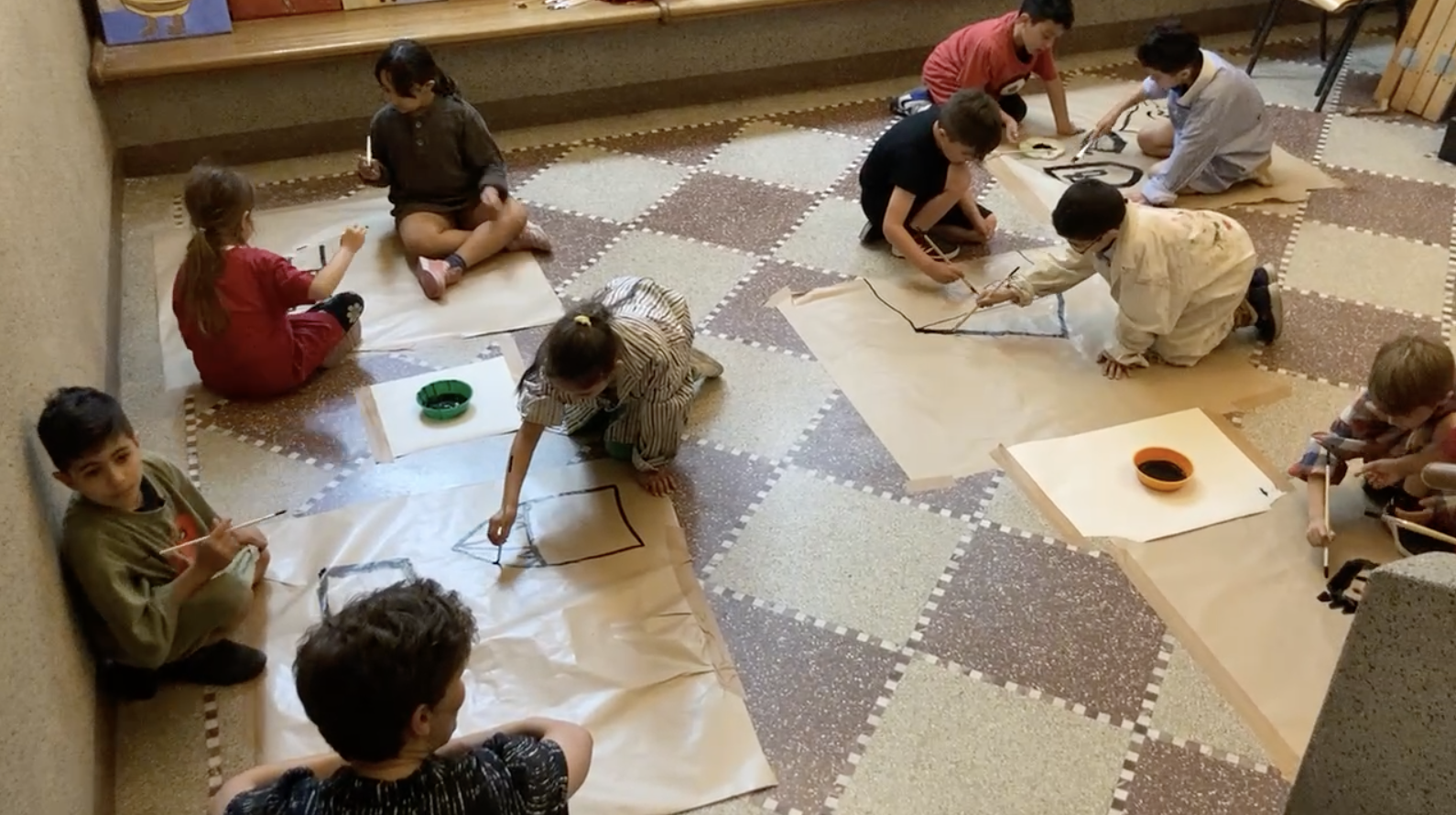
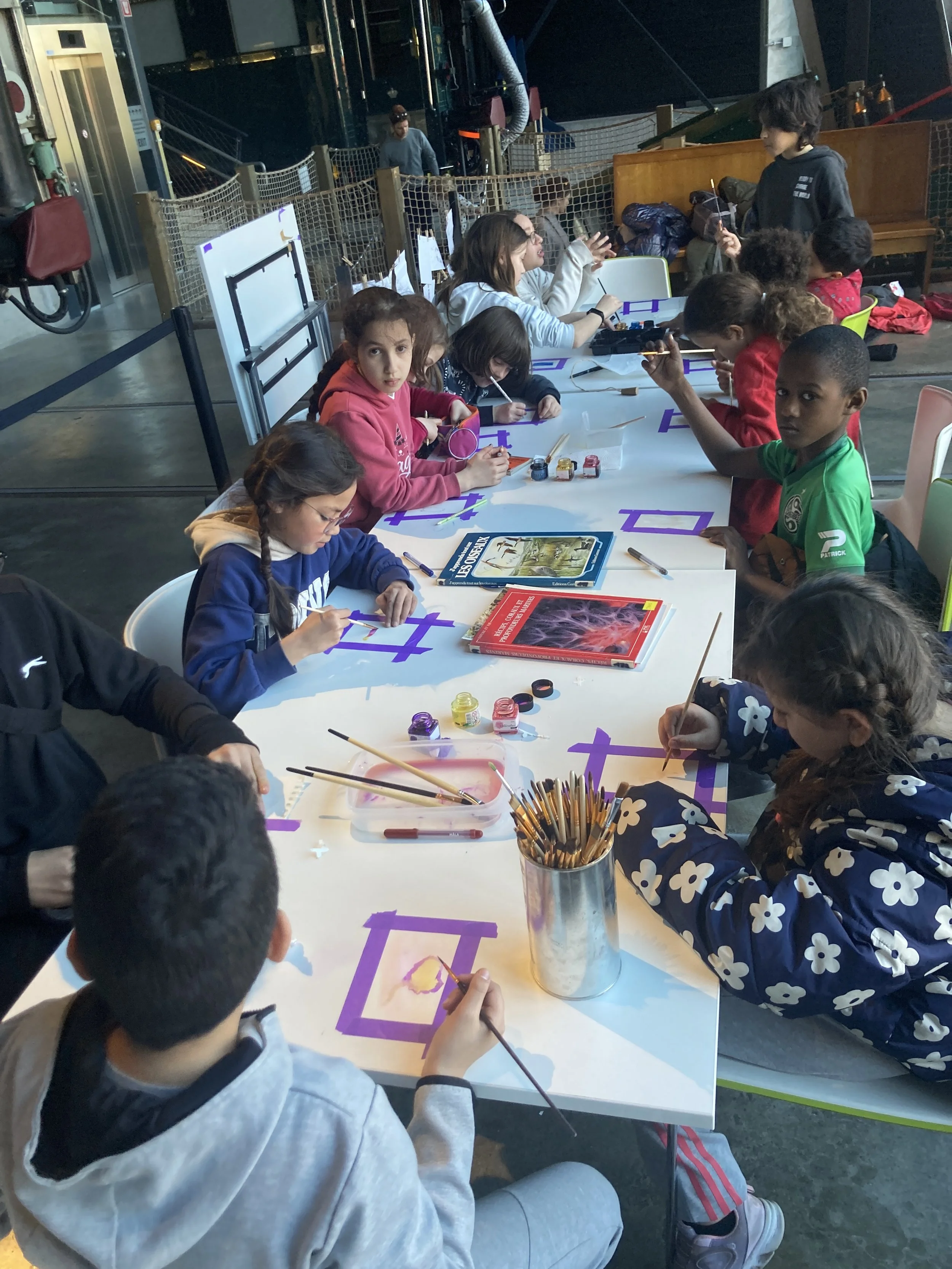
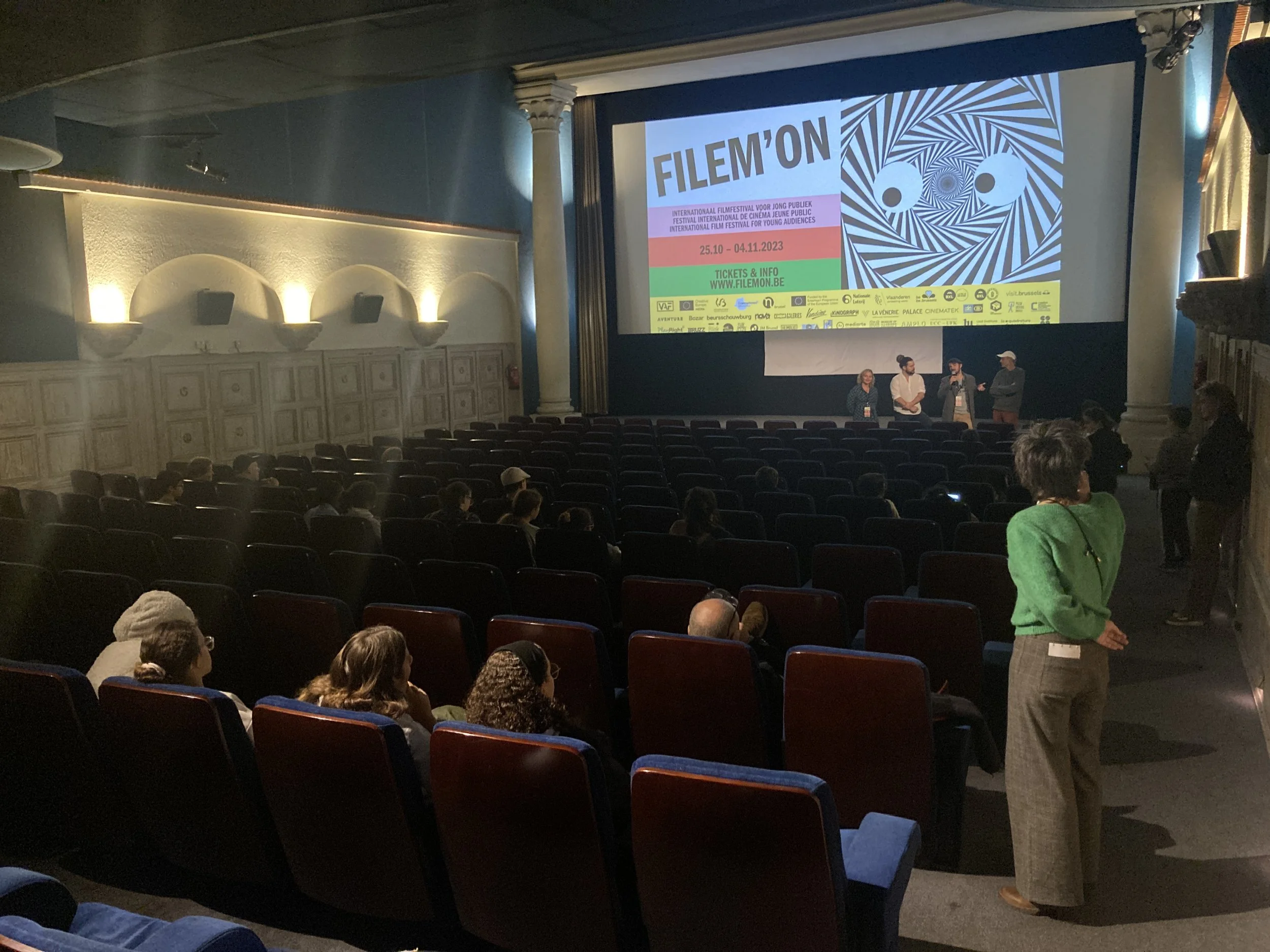
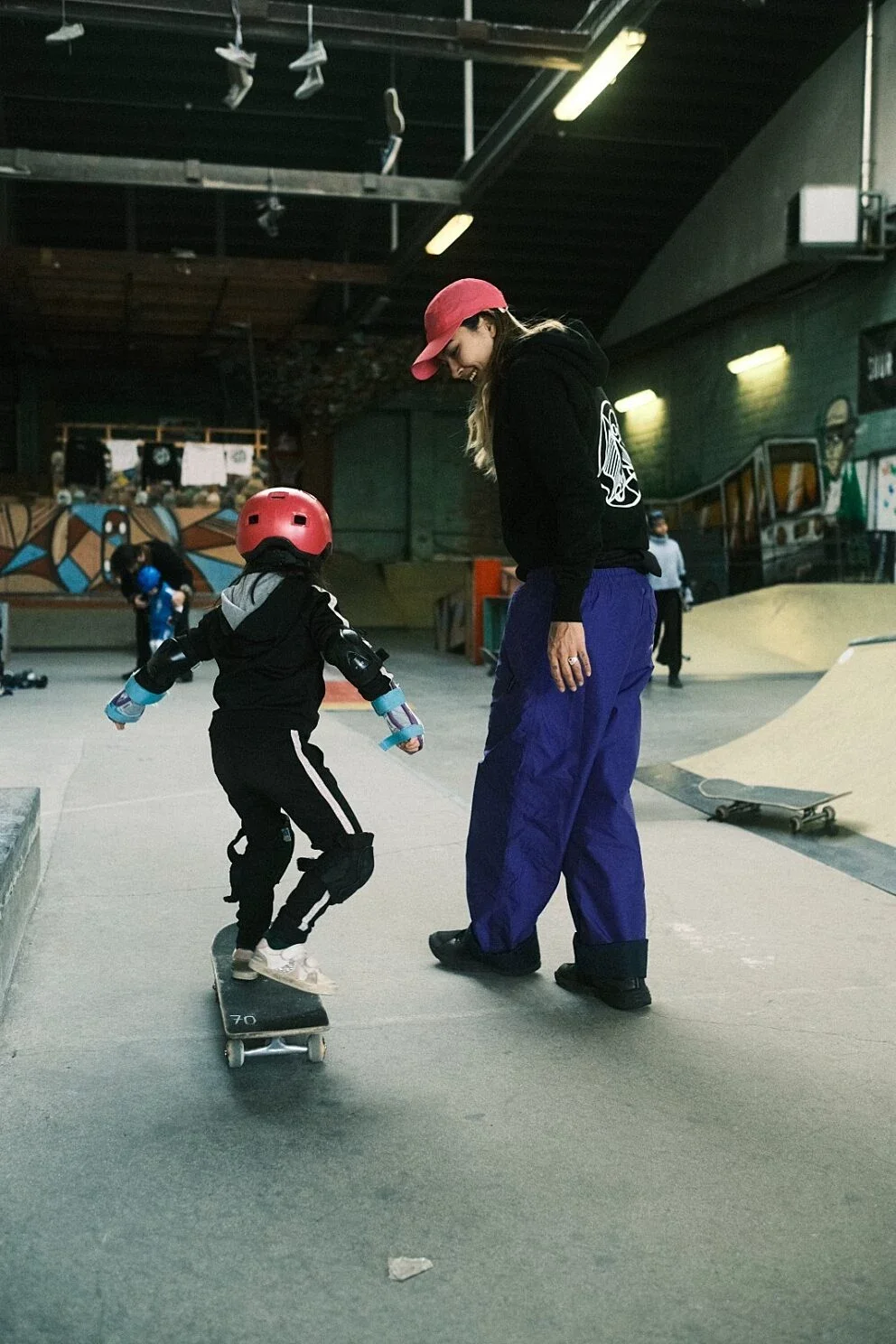
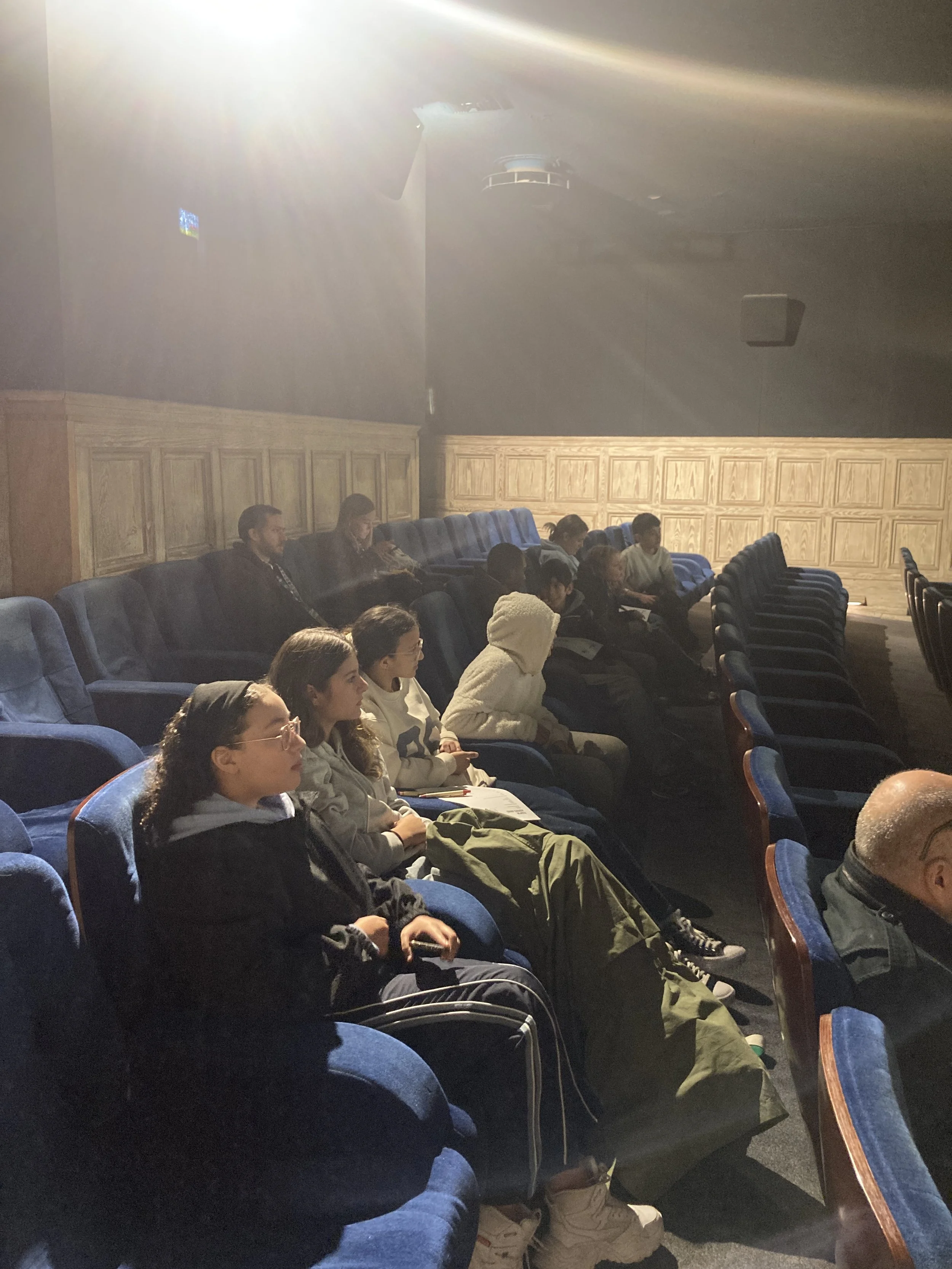
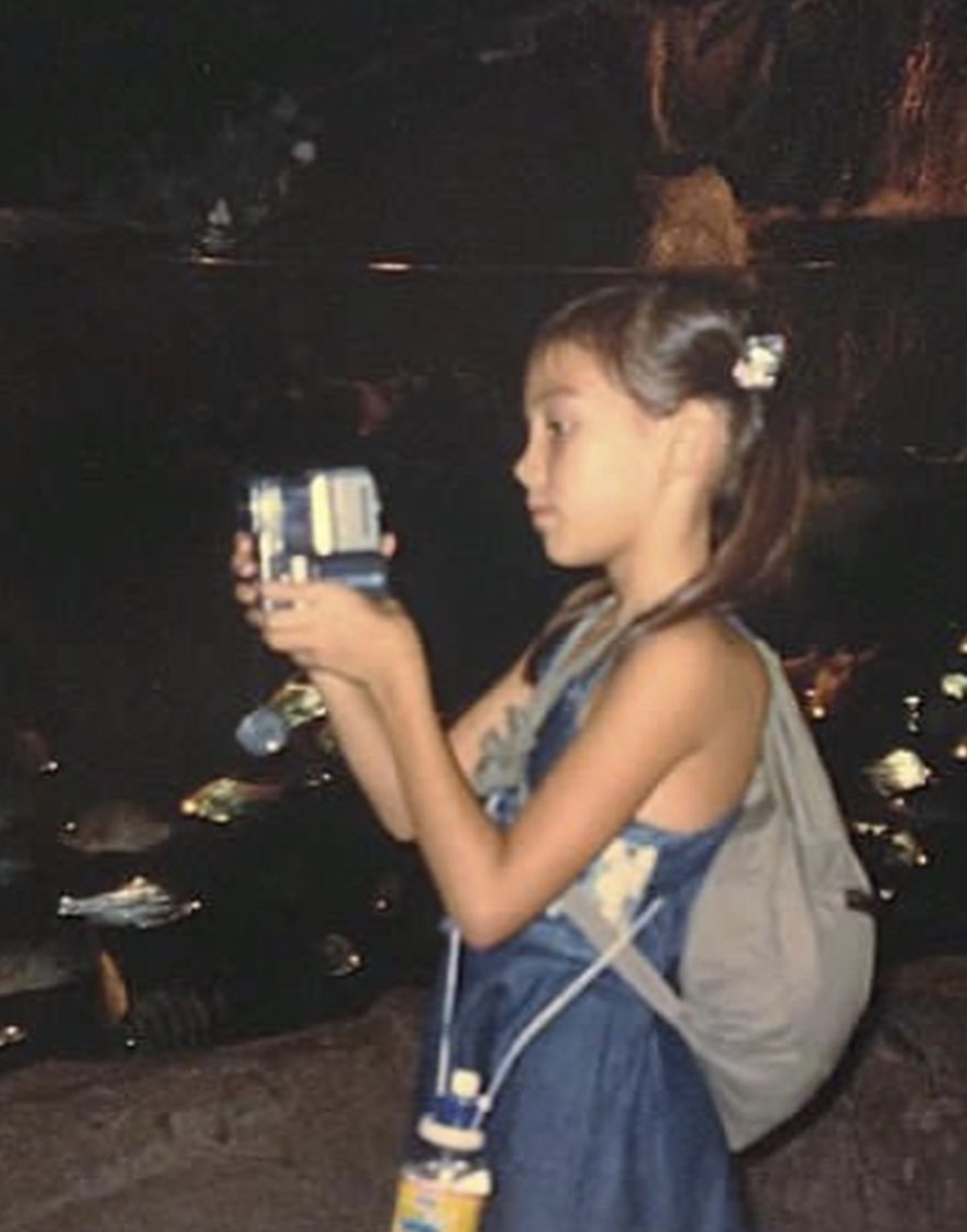
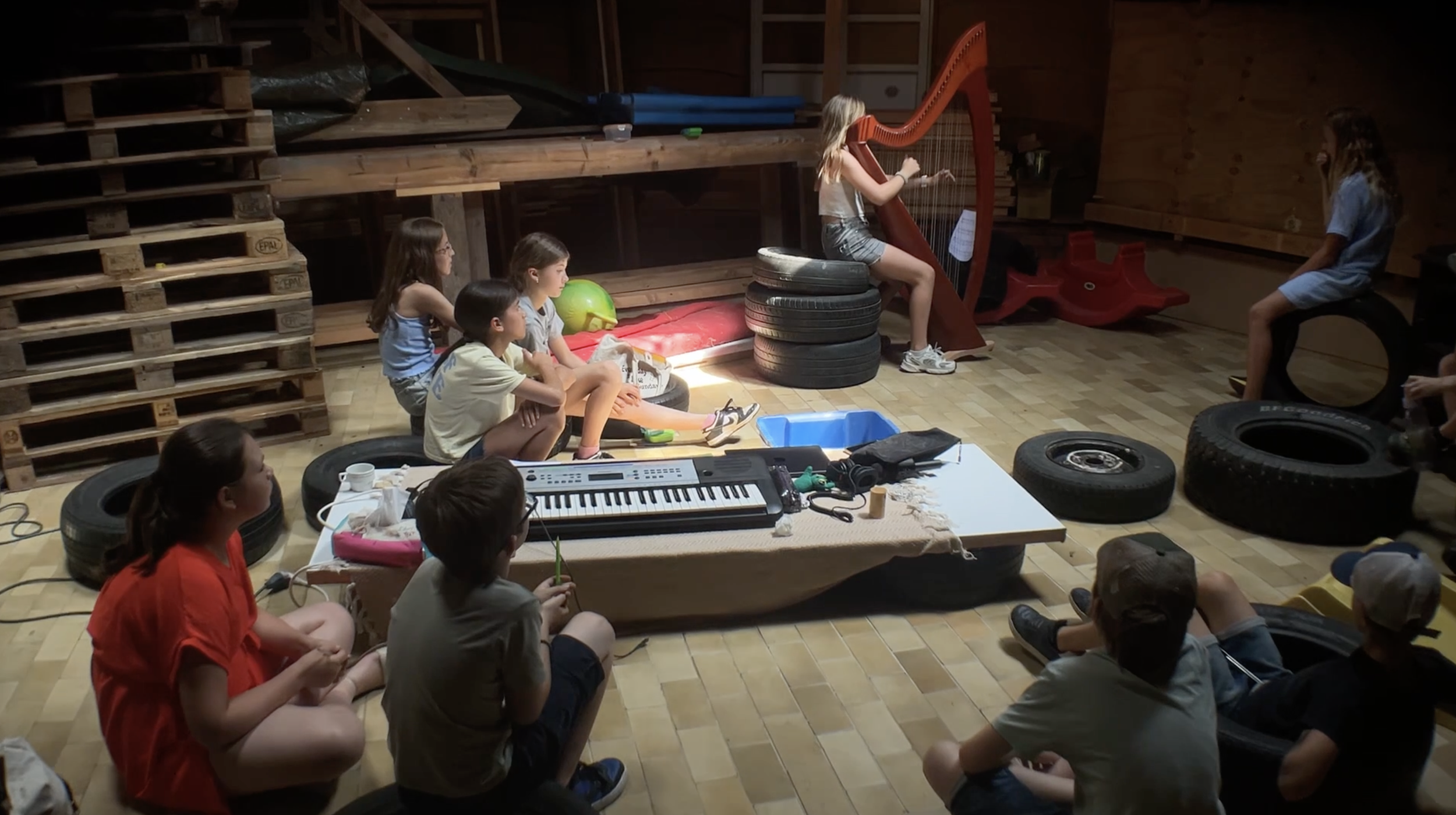
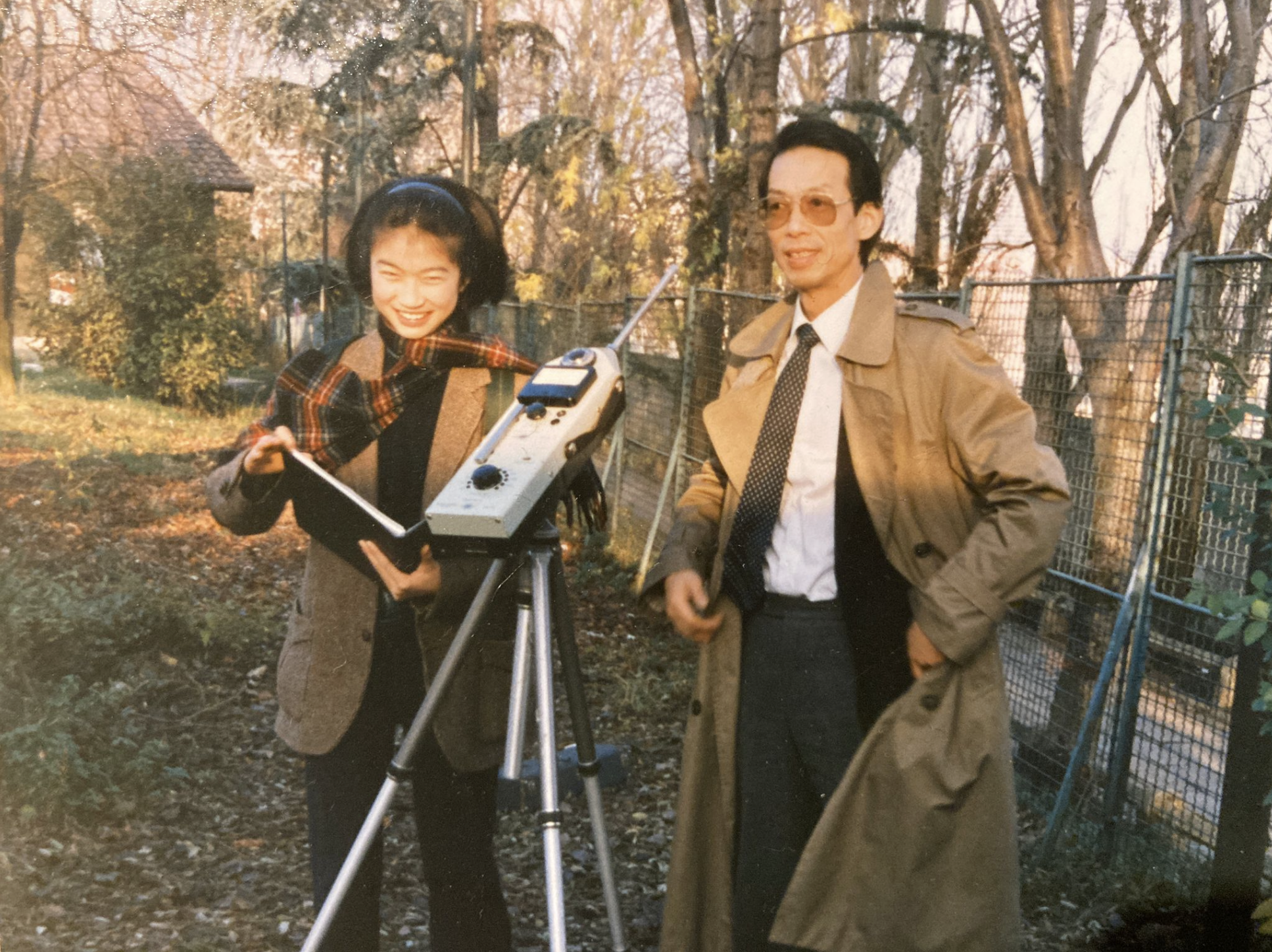
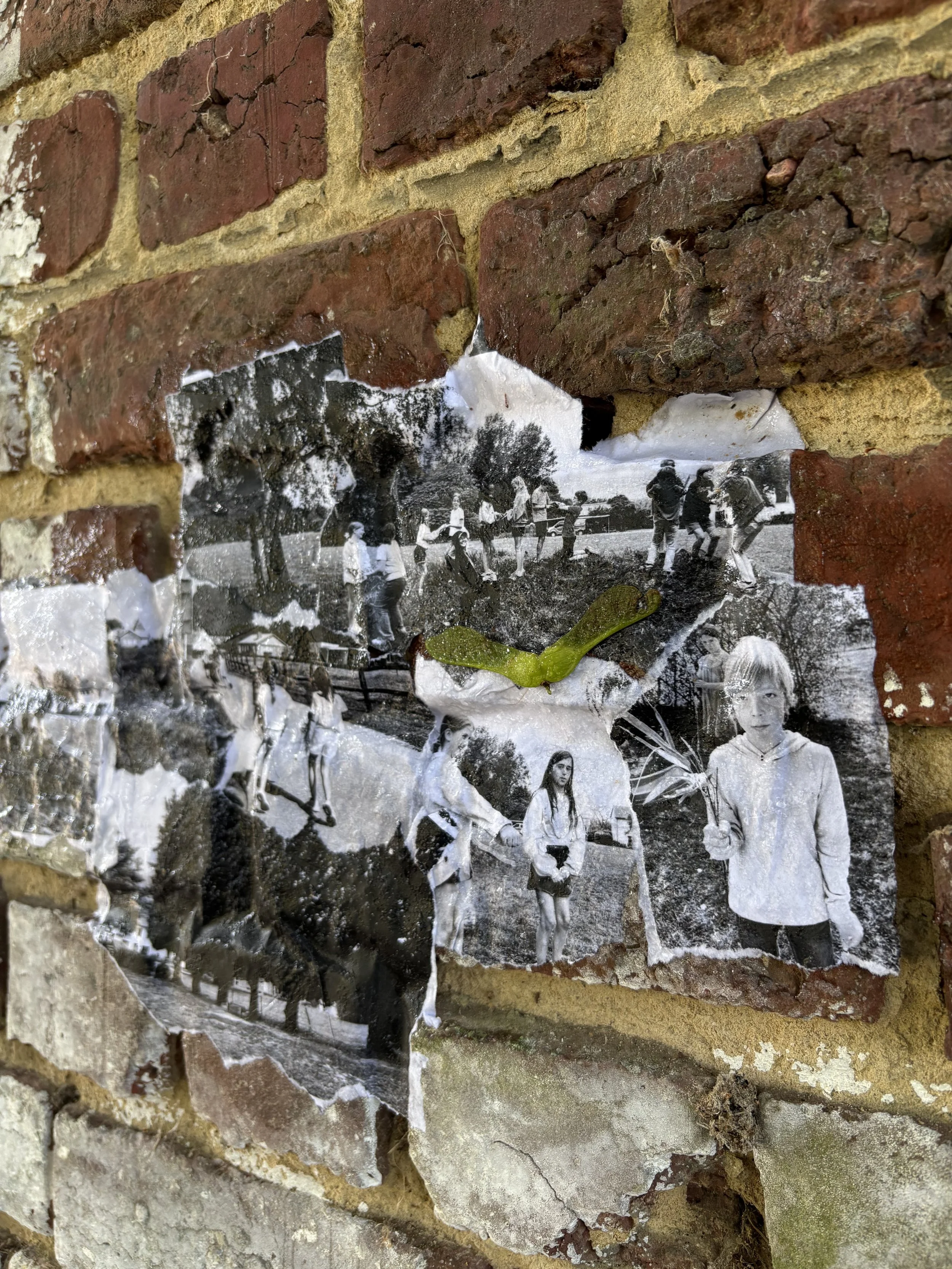
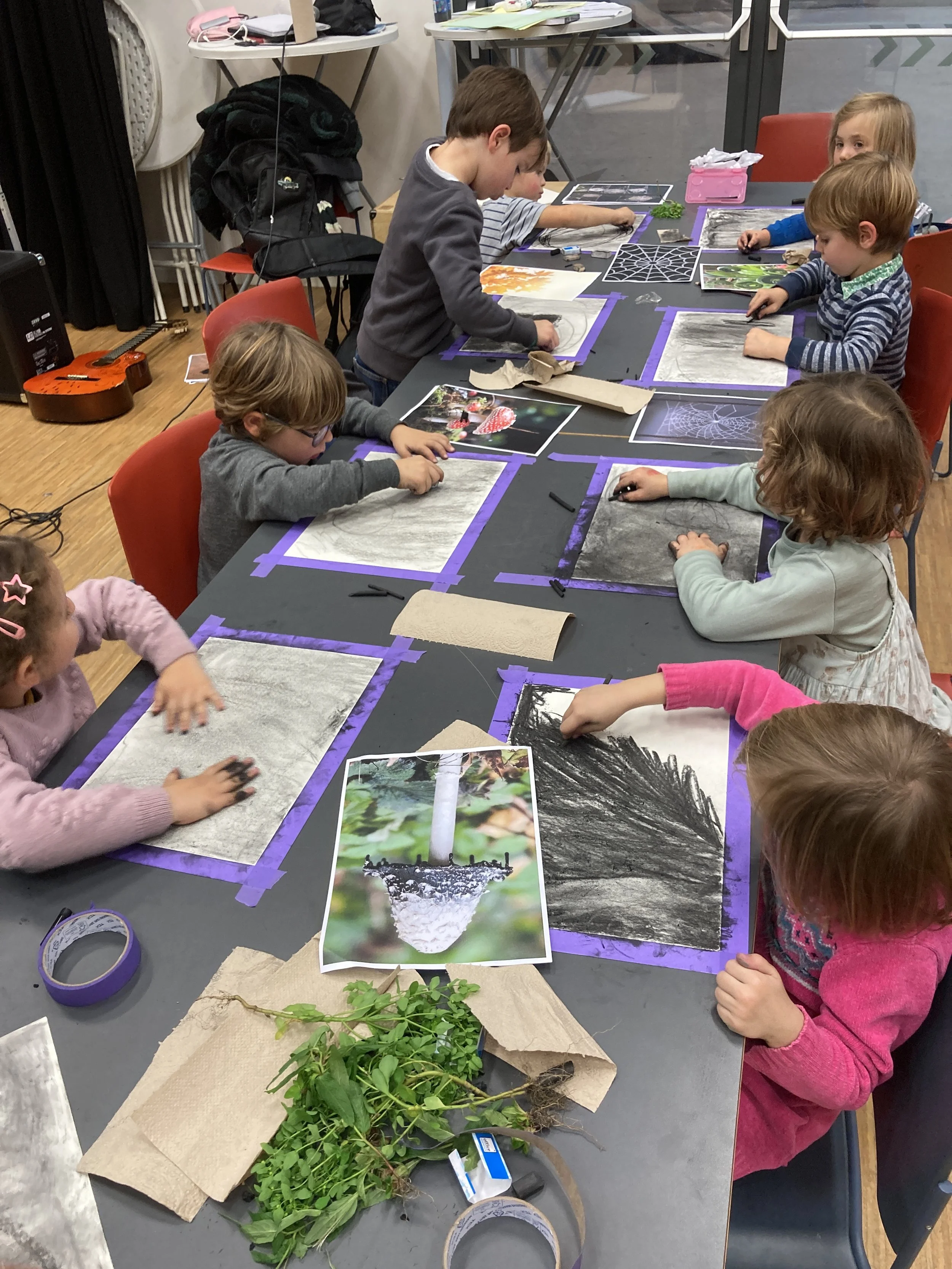
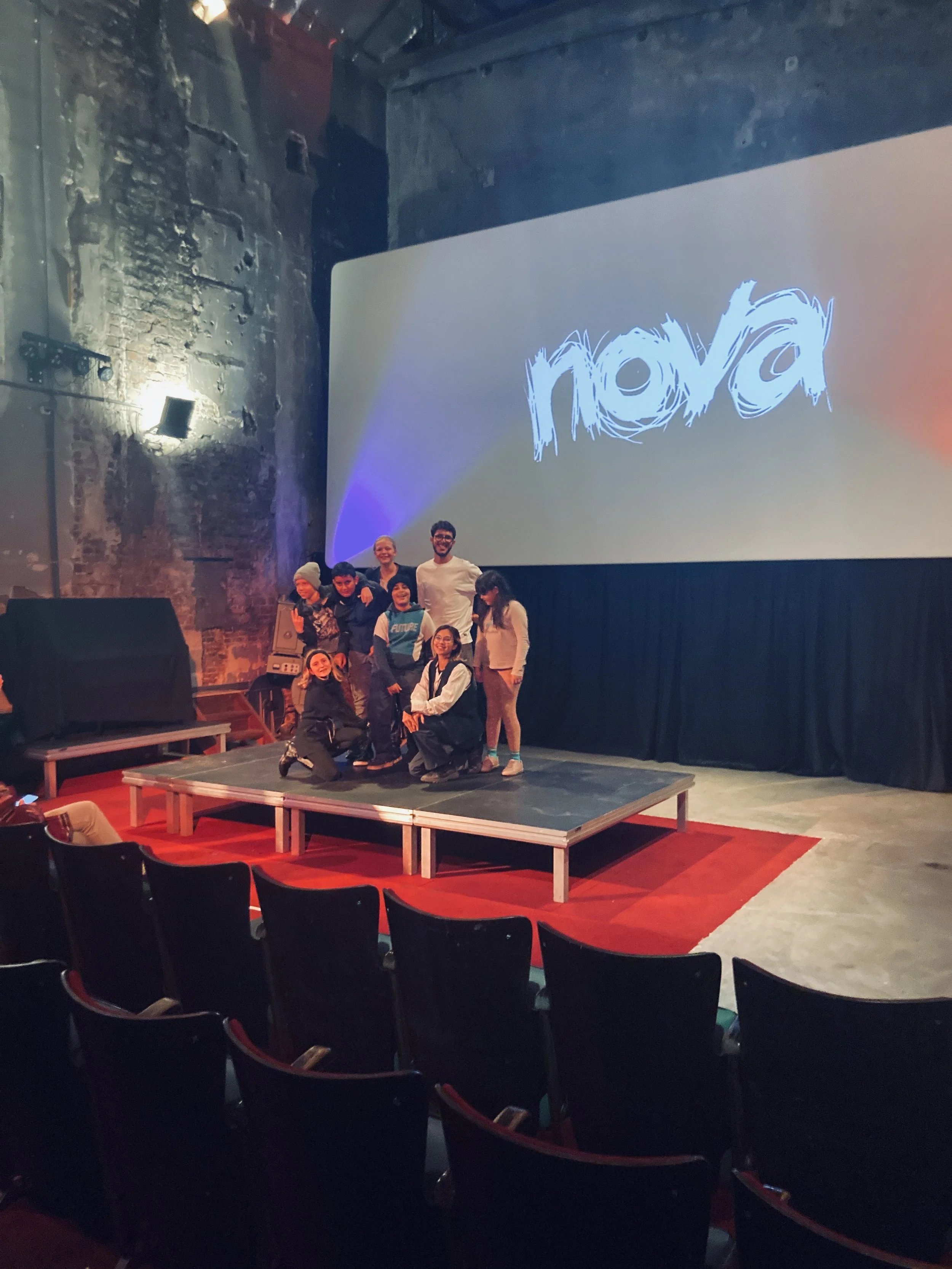
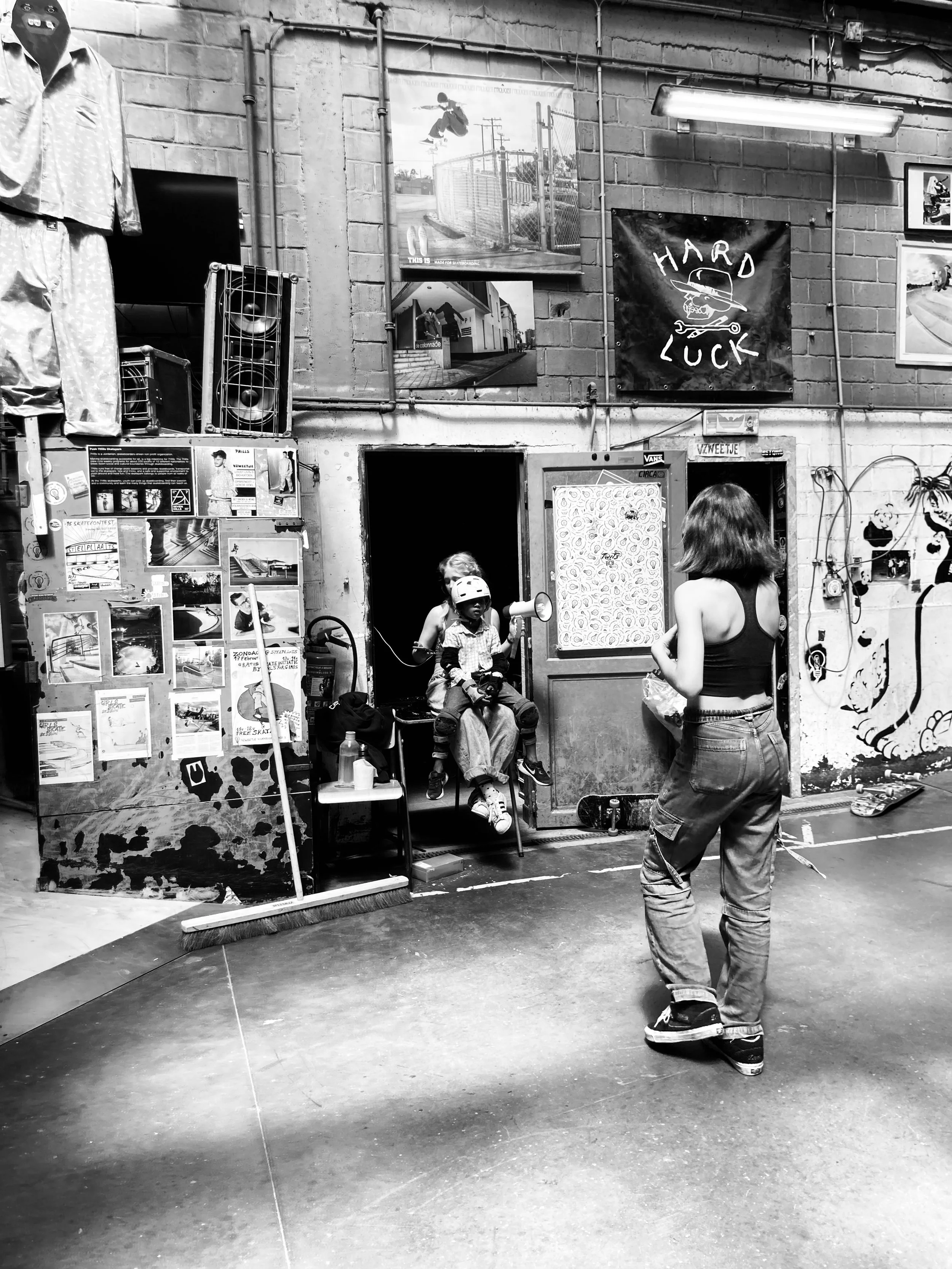
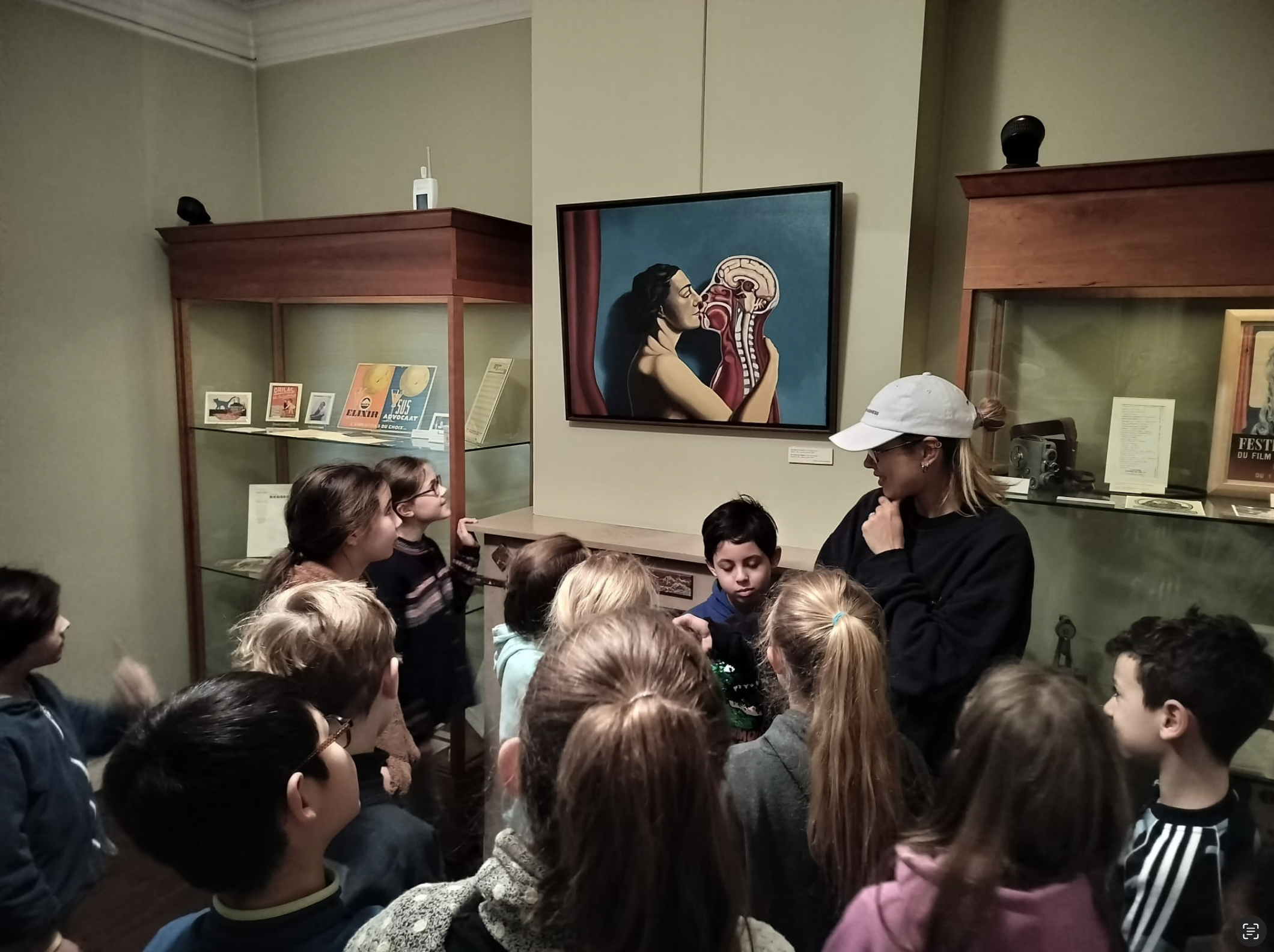
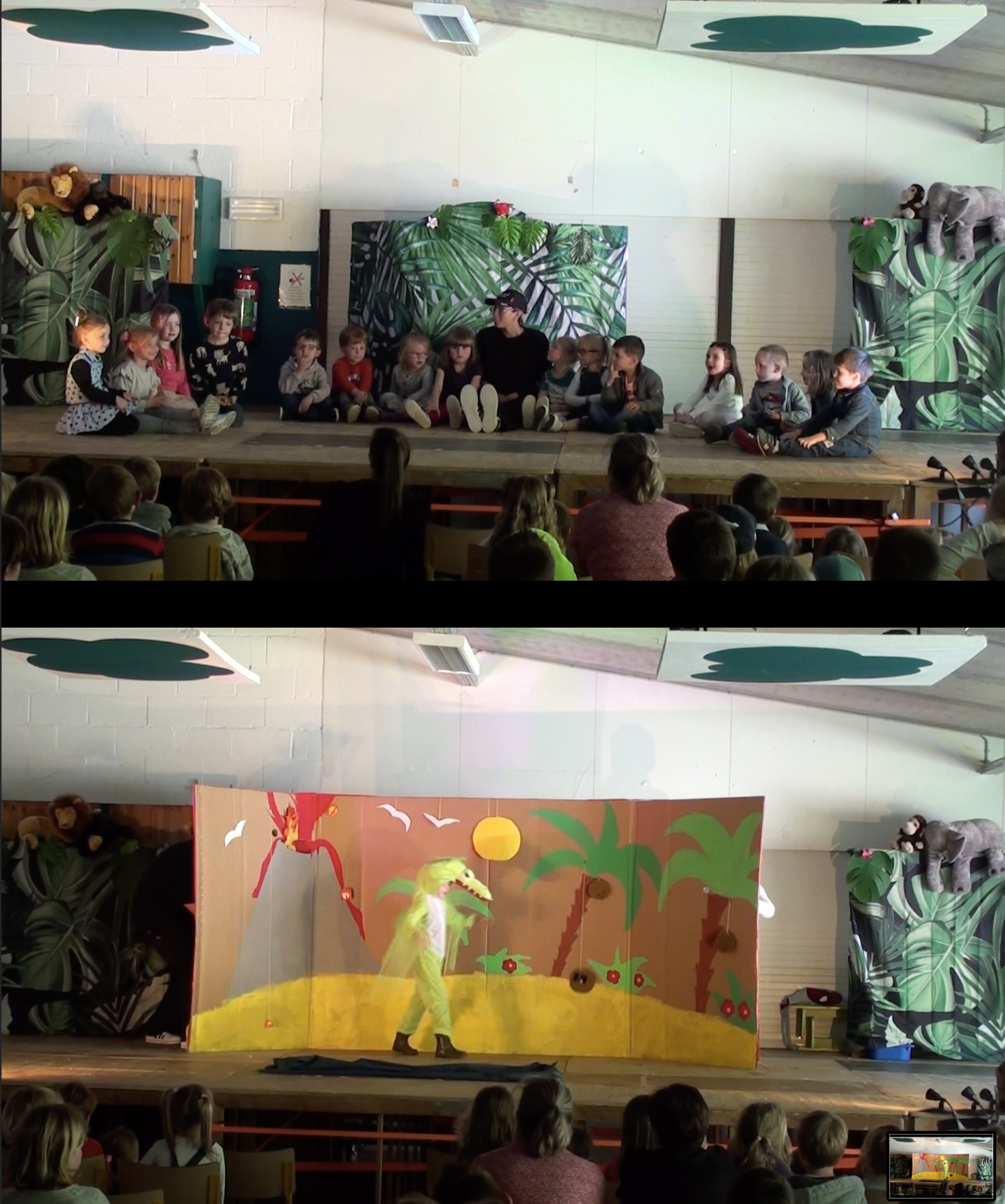
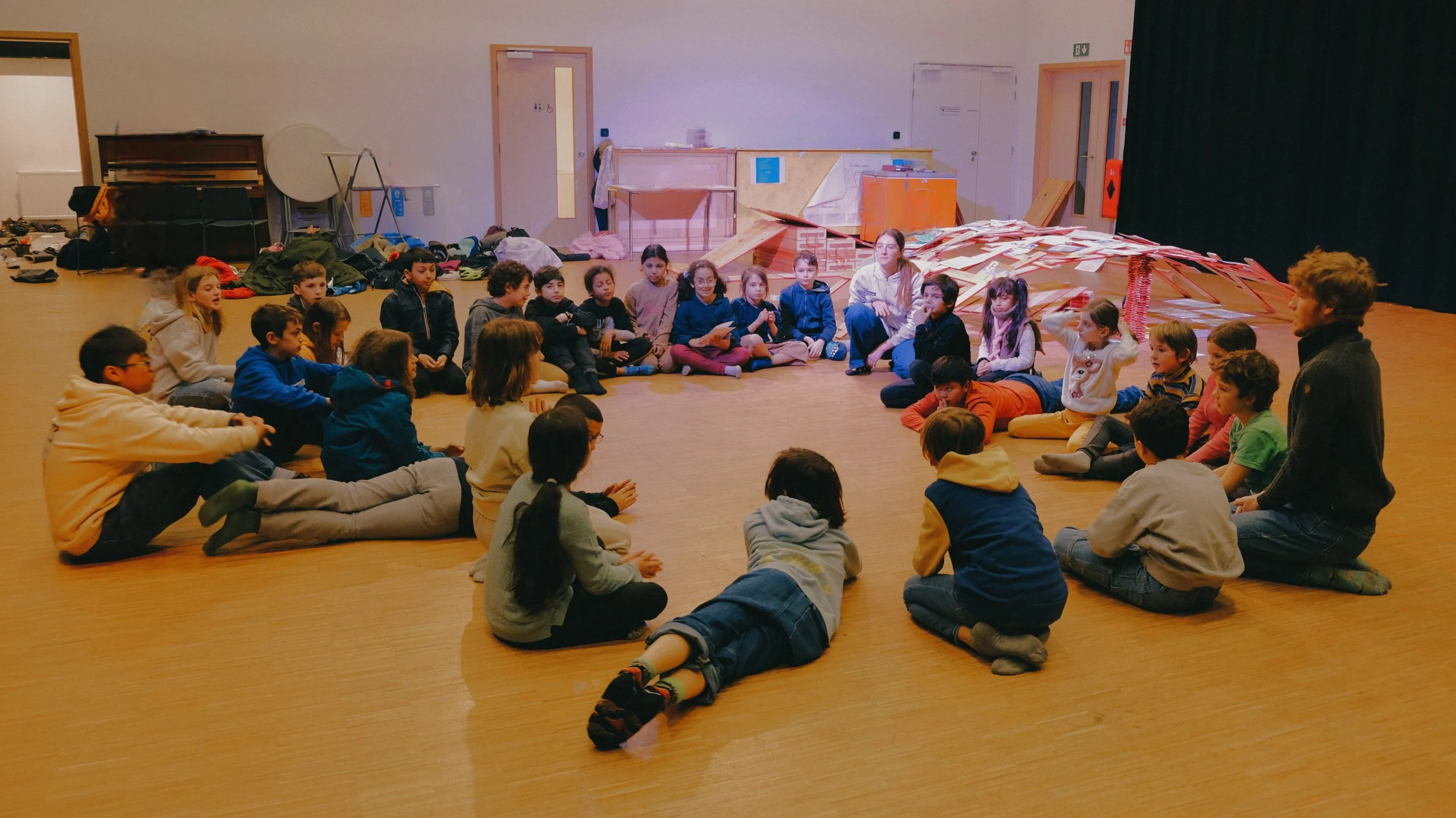
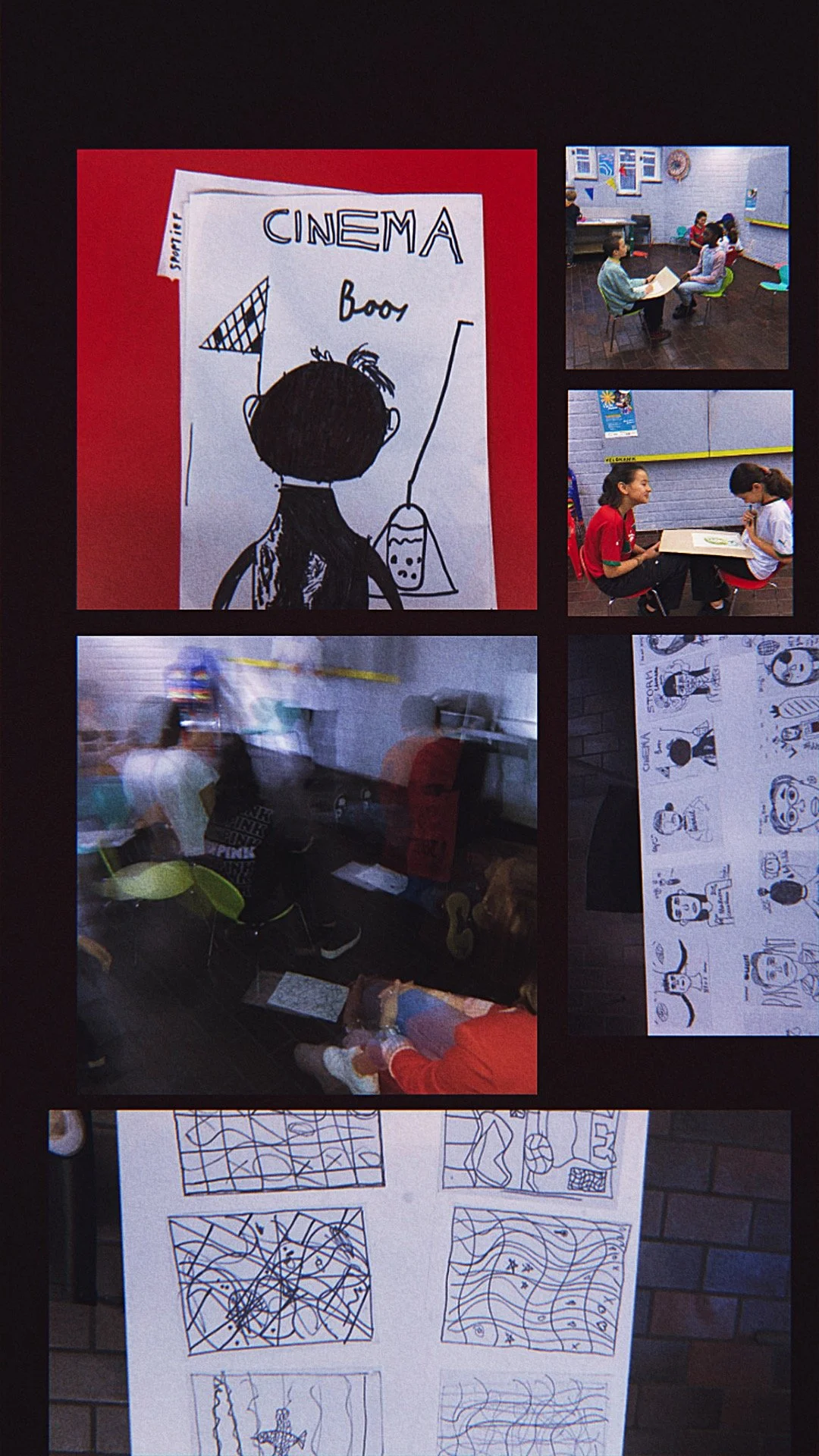
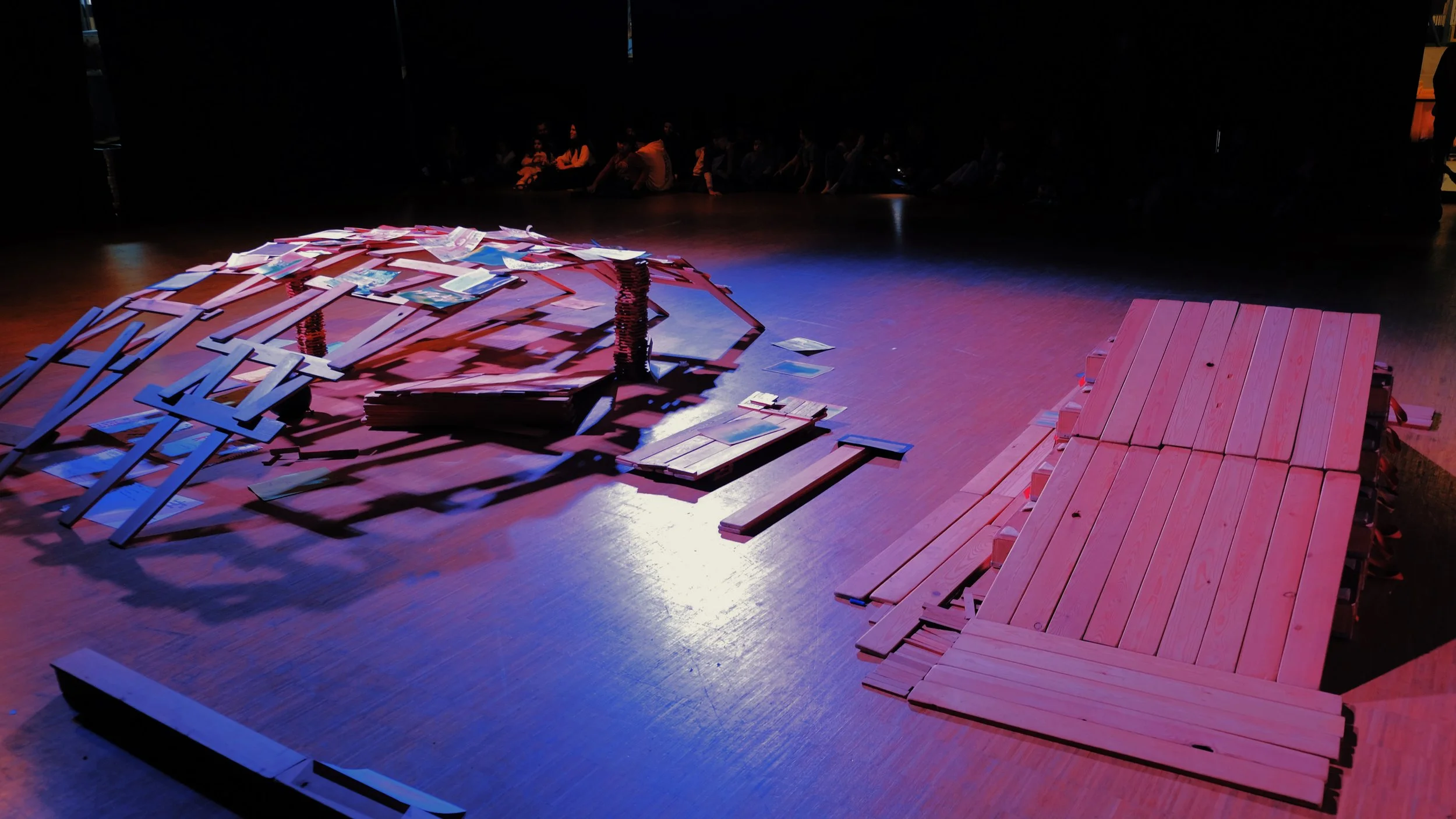
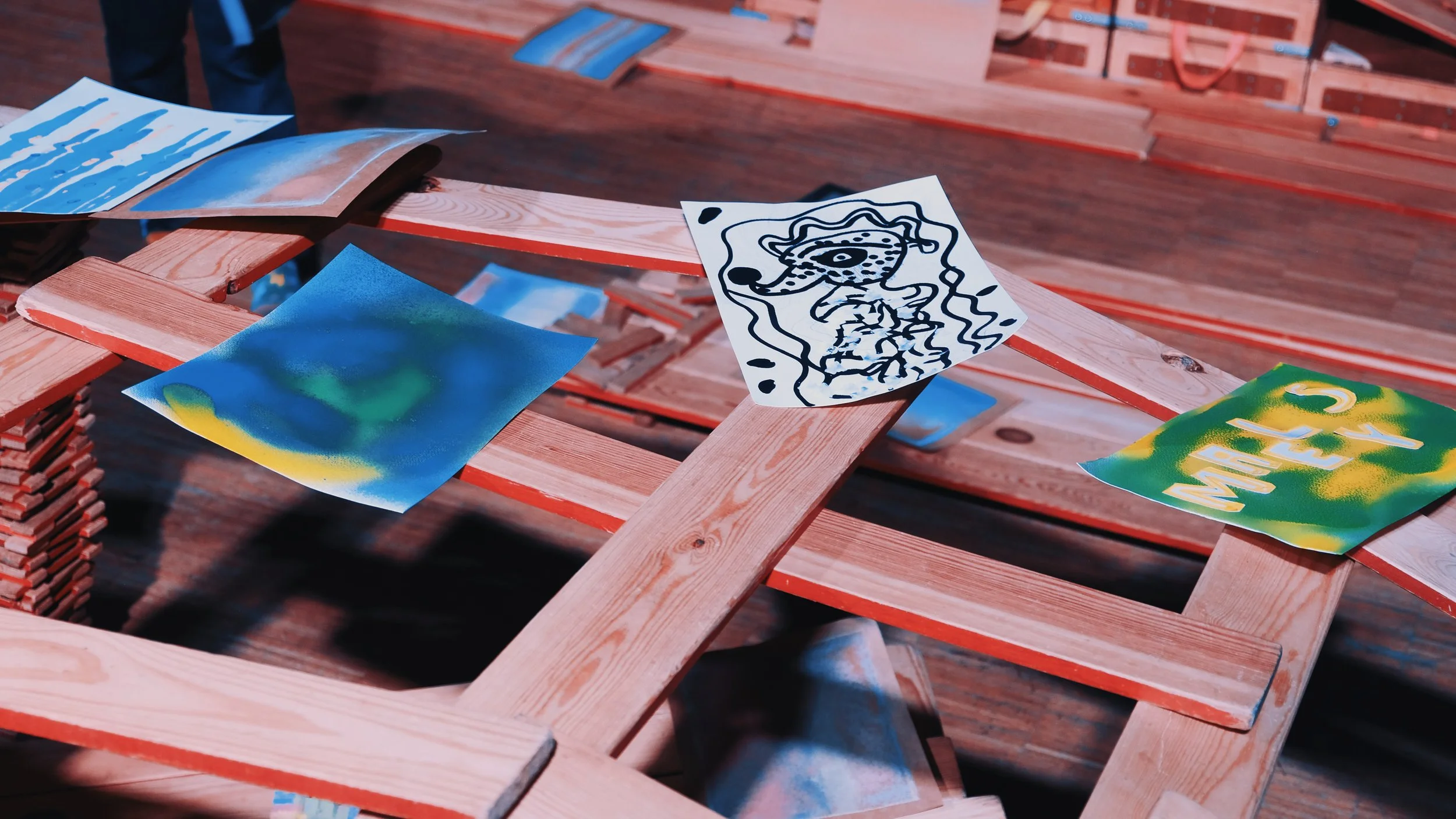
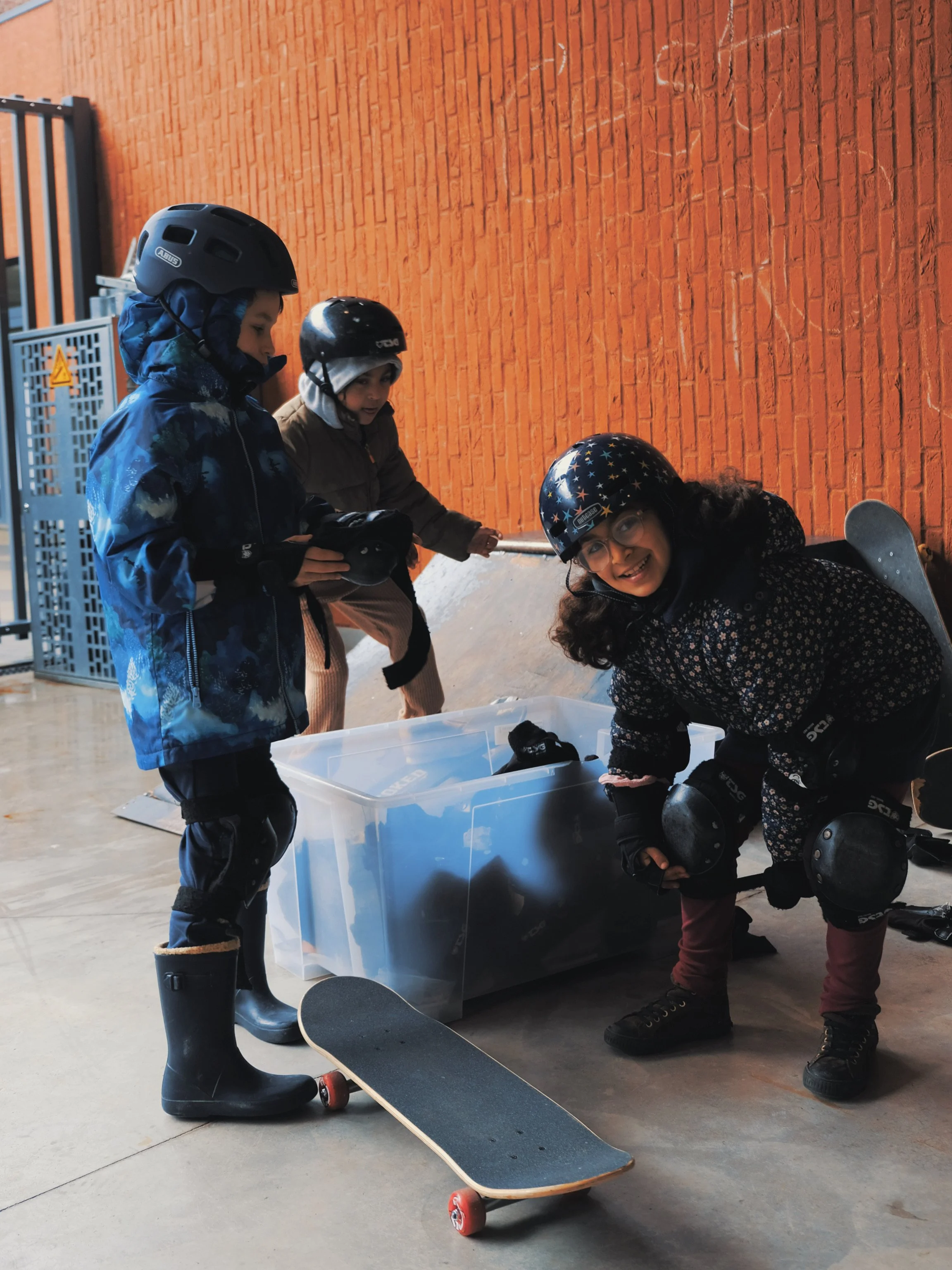
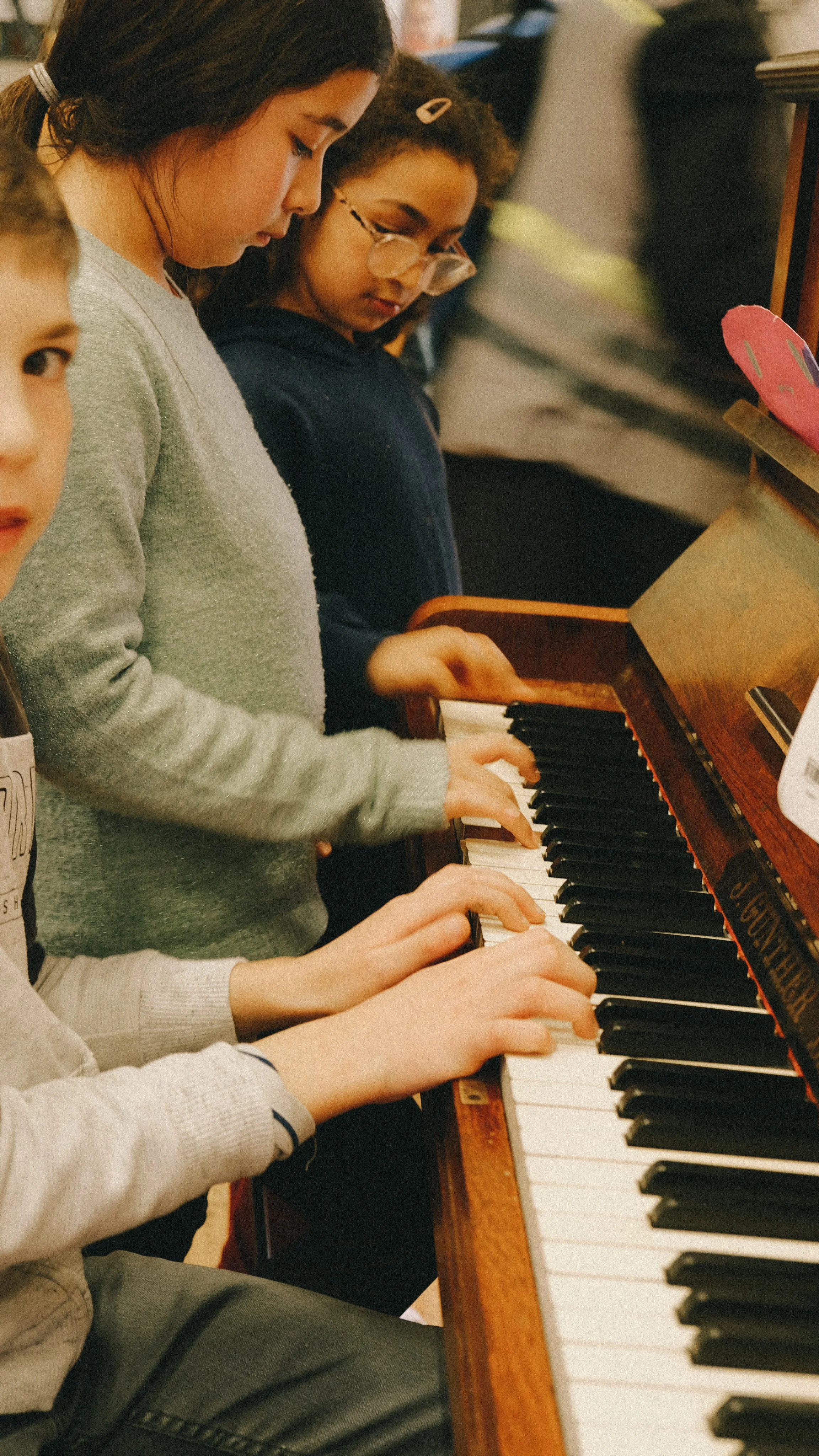
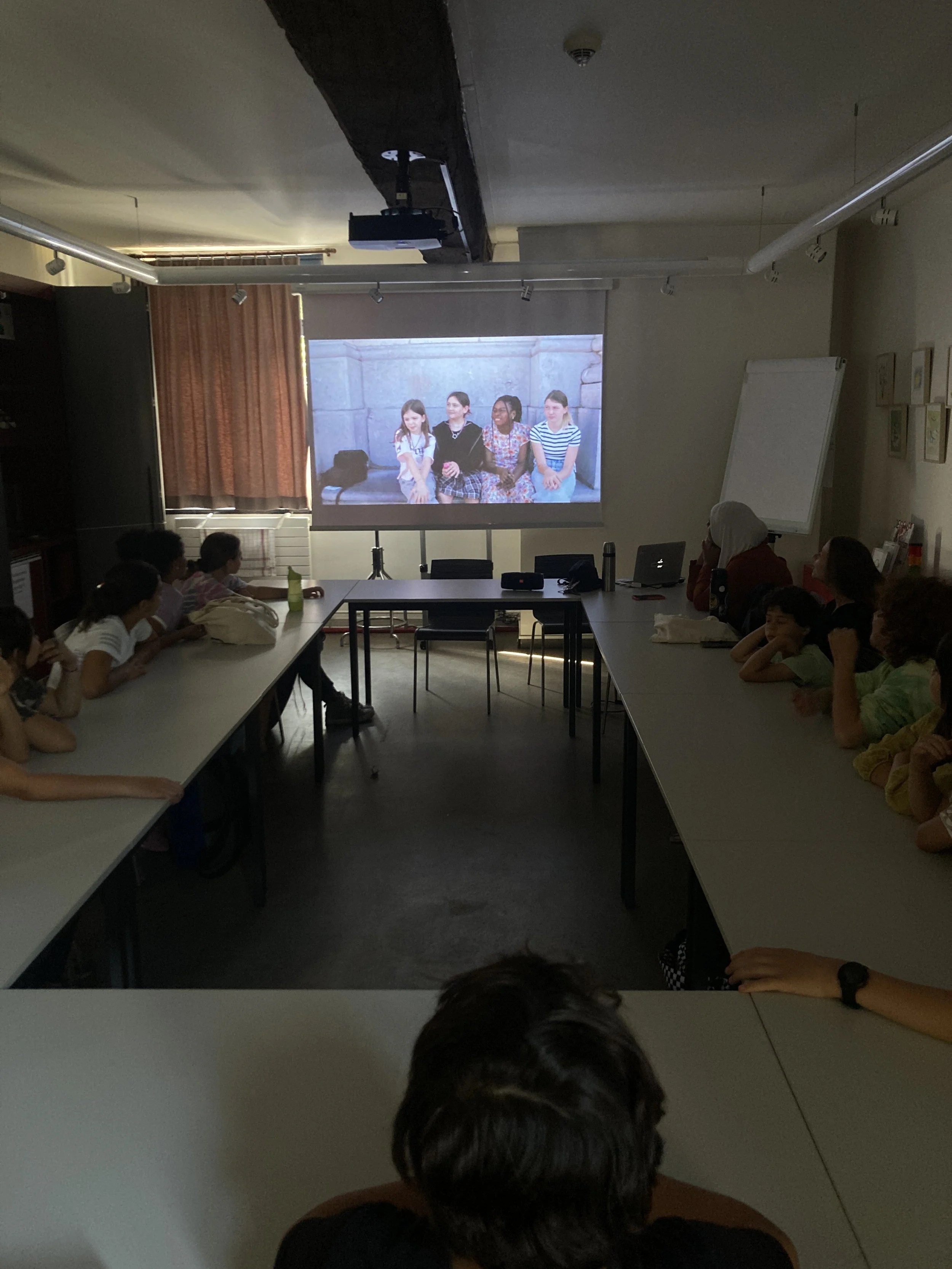
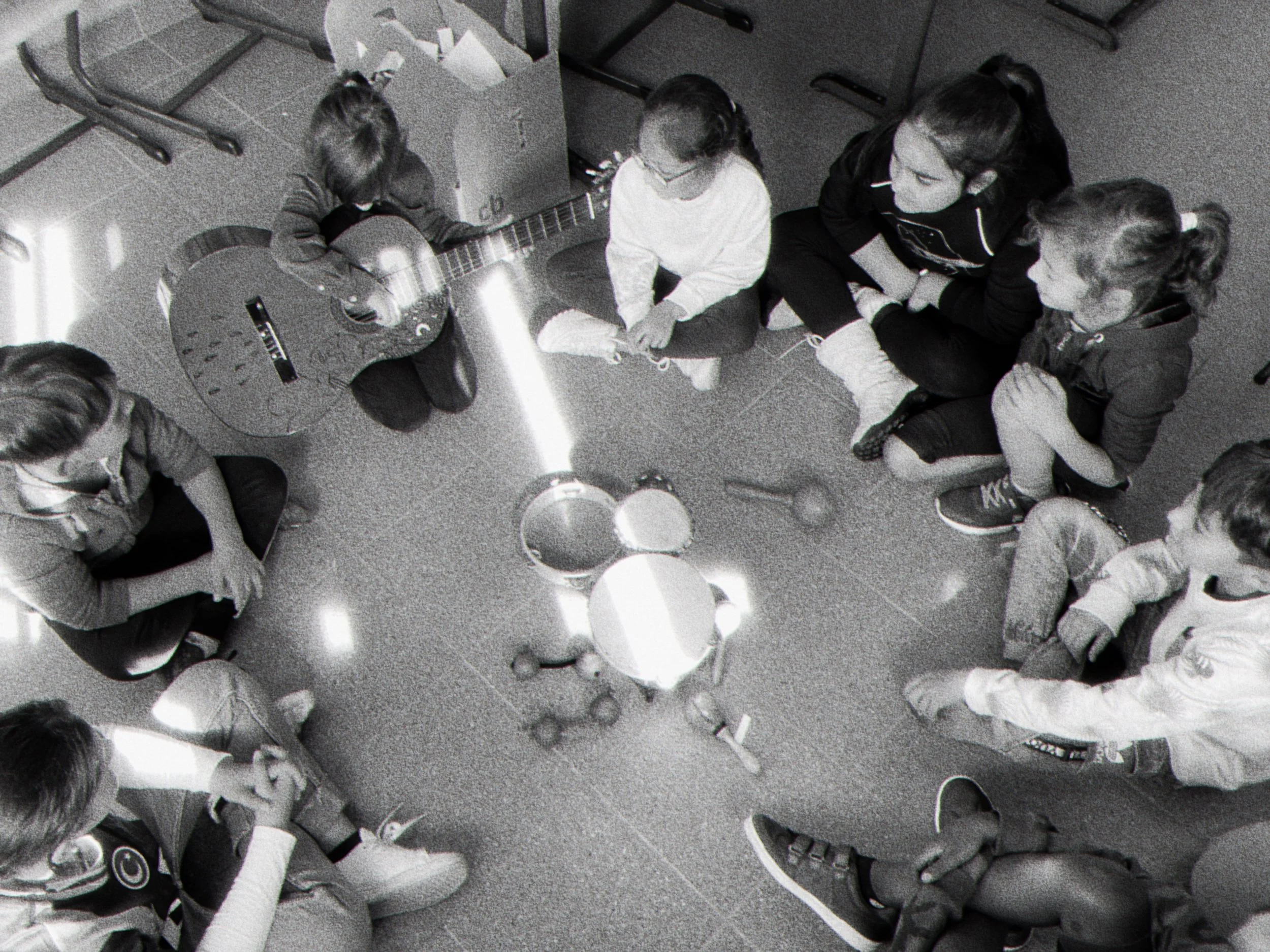
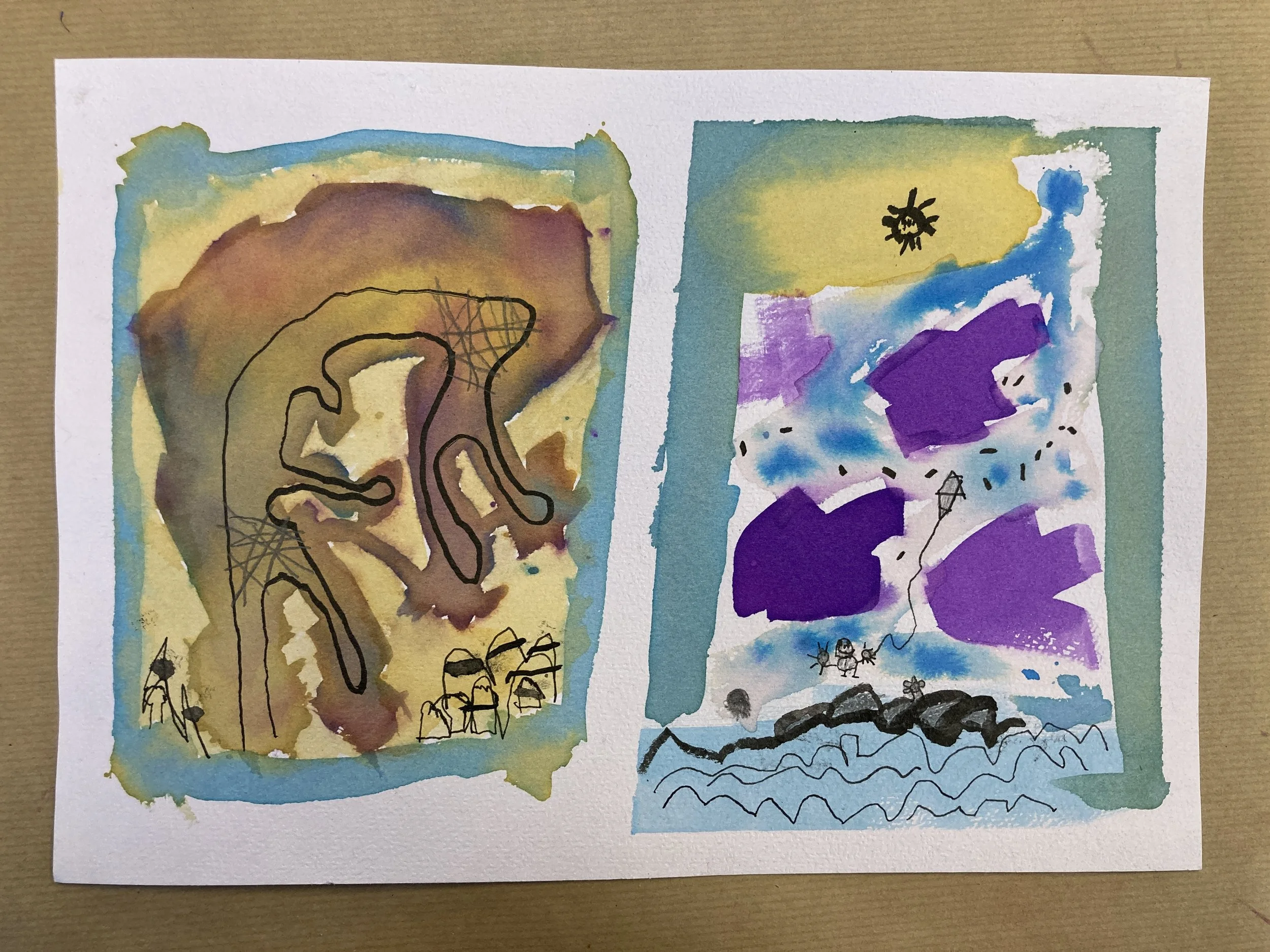
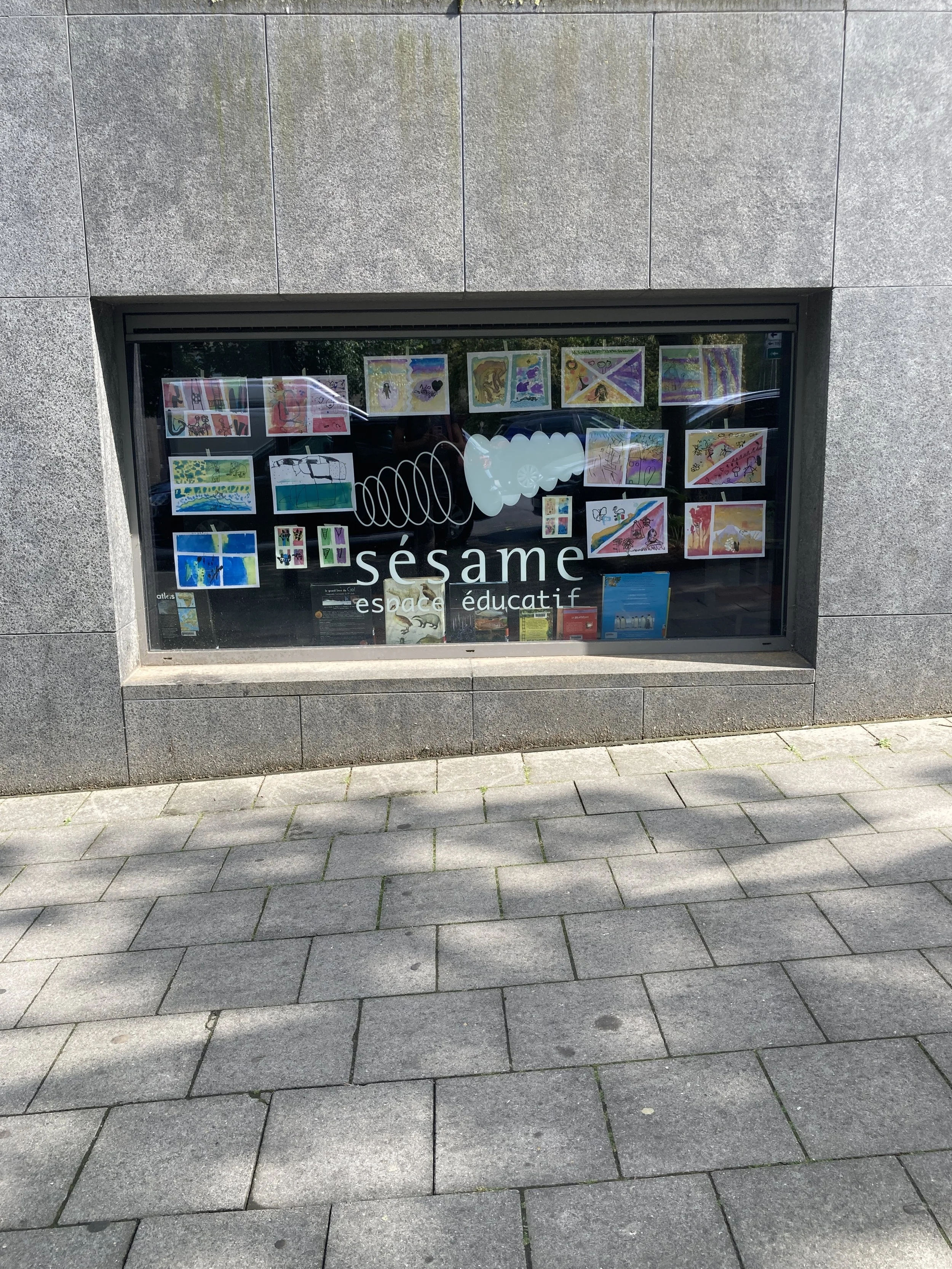
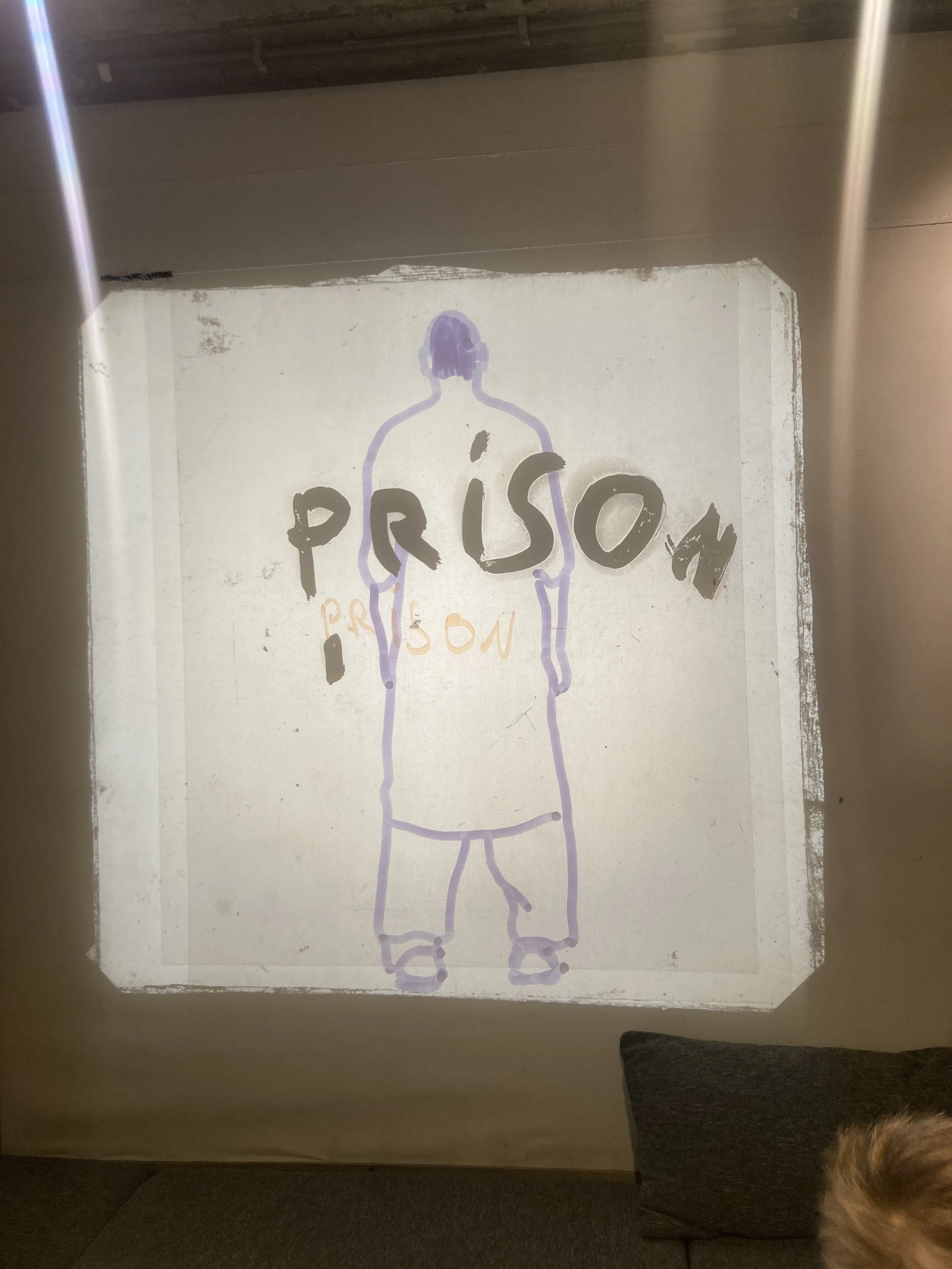
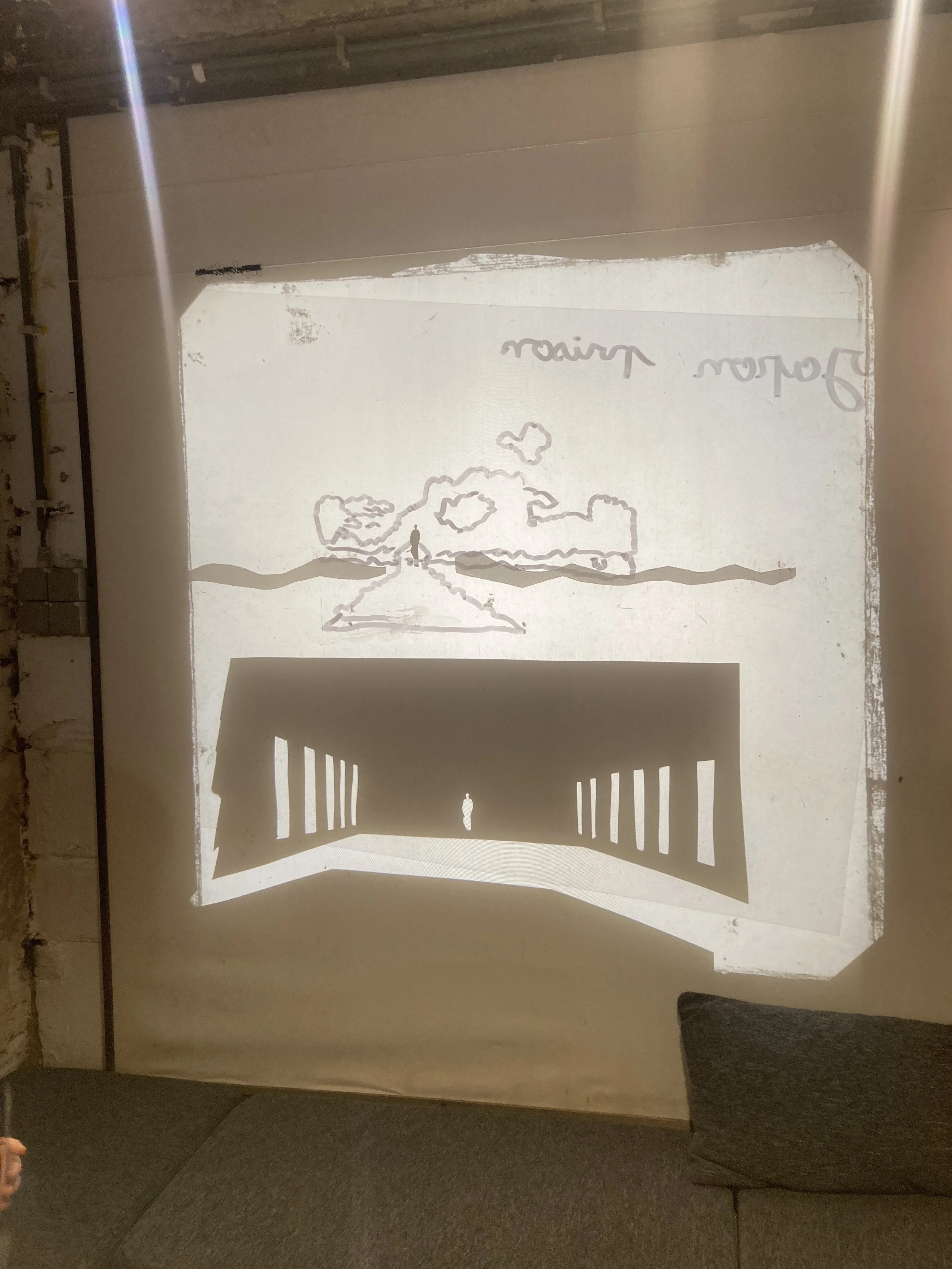
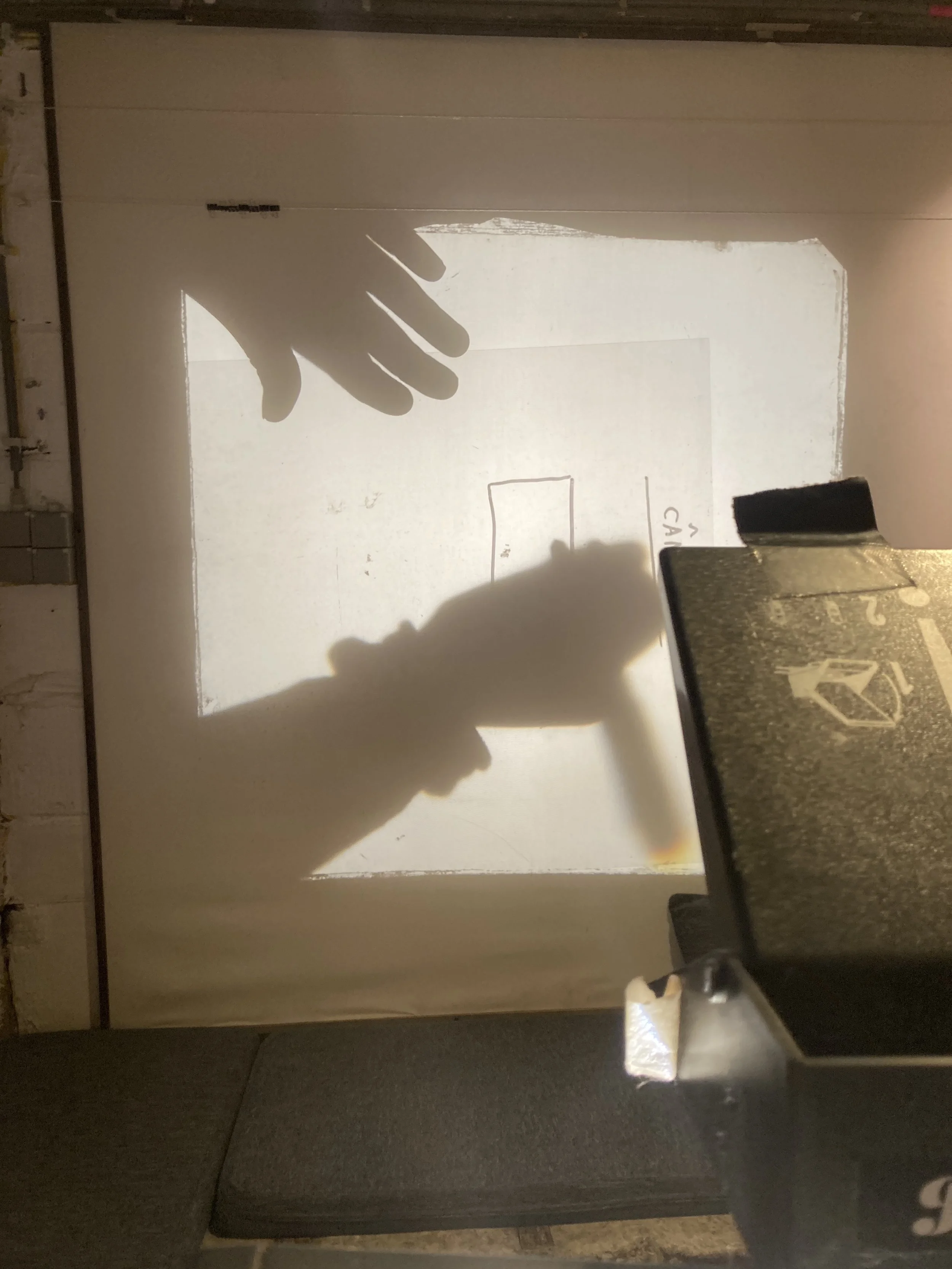
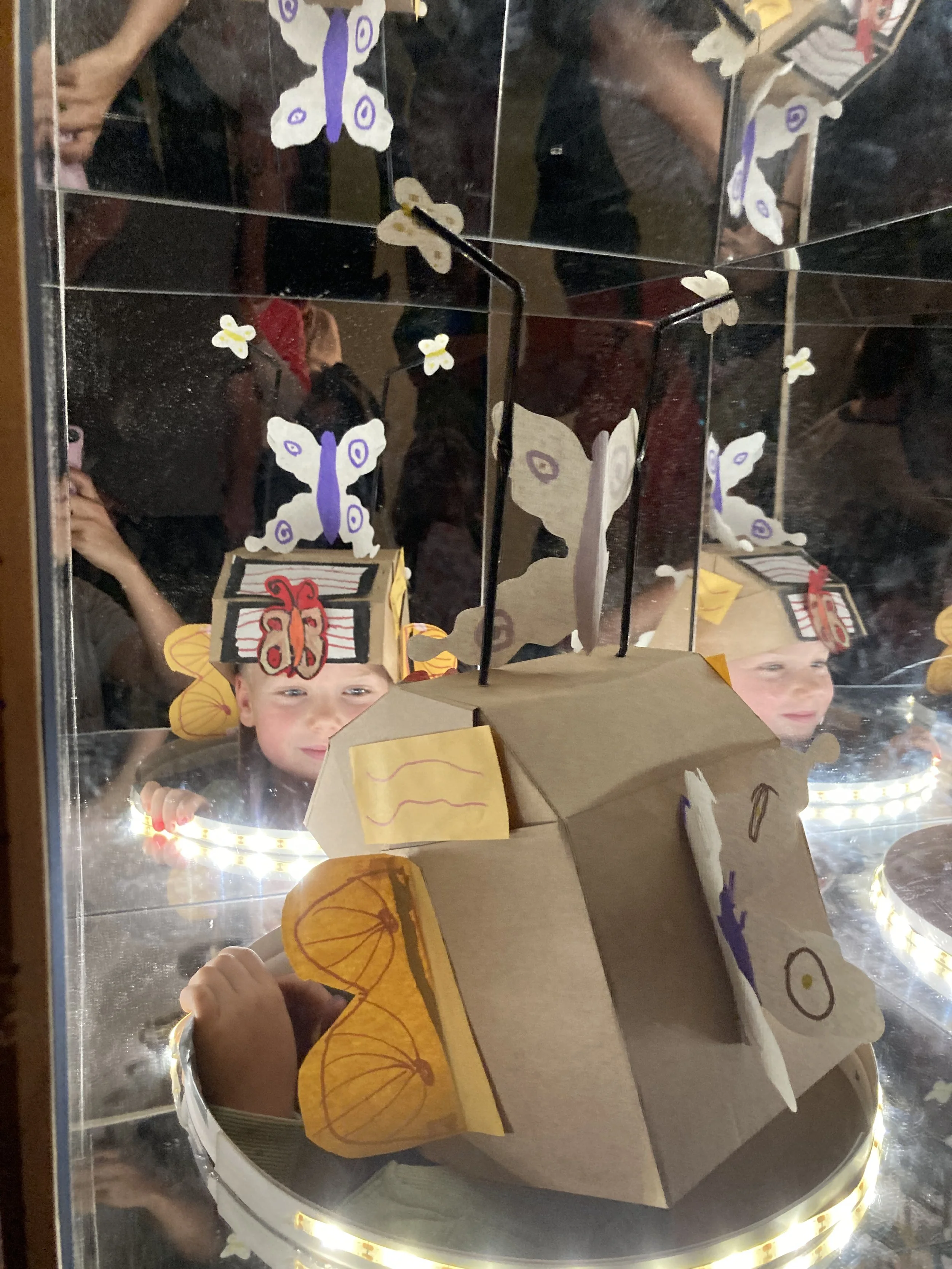
Following Paulo Freire’s view on teaching, YLÏAM believes that “teaching” is a two-sided process — and reiterates in their work that one learns as much from children as children learn from us.
They start giving skate classes at VZWEETJE around 2021. Through skateboarding, a new vision and approach to transmission of knowledge starts to emerge. Their interest in pedagogy grows as skateboarding offers a more and more diverse idea around transmission of knowledge.
They start to work at Amadeo Kollectif in 2022 and starts to develop workshops and develop their own pedagogy in an autodidact manner alongside a crew of artists working around youth.
Art projects &
Alternative
pedagogy
There is no full free PDF available of this book unfortunately. But, this is a drawn and short version of the book that I read 4 years ago that changed my vision on teaching. Actually, not just teaching, but in general, communication. Because in the end, what is teaching? It’s communicating and exchanging information.
In the actual book that I link here, you will have your eyes opened on different simple, wholesome, sometimes genuinely cute and effective ways to communicate with children.
In this book I also learned about how I would like to be treated, how I will adapt my communication in general. I recommend this book to everybody that will ever work with children. But also anyone who wants to improve communication and learn something about the human mind. It’s a very easy read with practical examples, there is nothing academic to it, which I absolutely enjoyed.
Still reading this book. Very academic and slow read for my ADHD brain. but I absorb the essential and resonate very much with it.
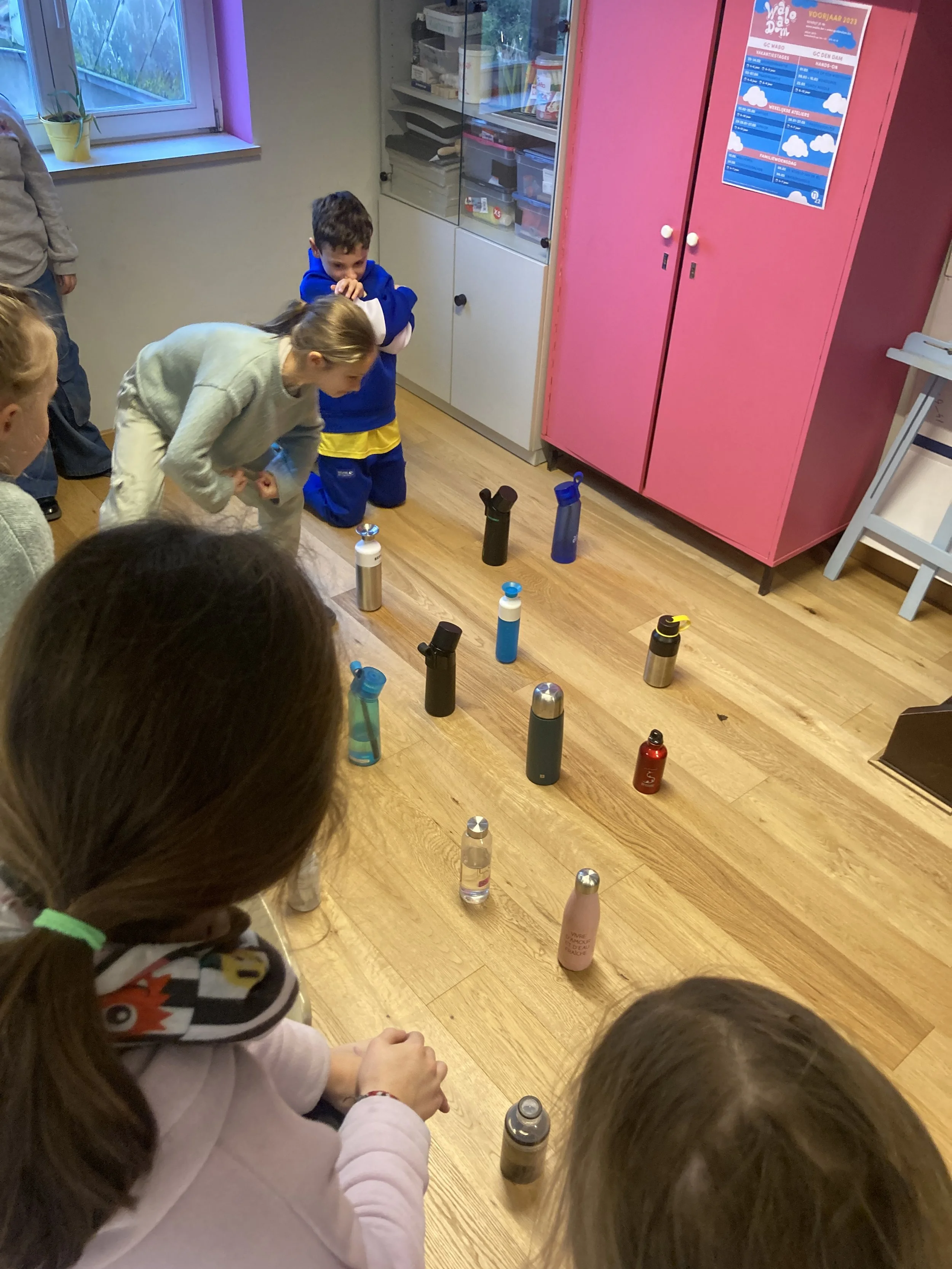
In this large listing of games around theatre, I usually take inspiration and turn them into my own. Sometimes when it’s the first time I play a game with a group, I will read the instructions together, and let them know I never played it. Some of them might have, and they enjoy to be able to explain it.
I swear by the importance of group dynamics. In this old looking PDf in Dutch you will find very basic but cute and effective team building games. Adjust to your own needs and make them more creative if that’s what you like.